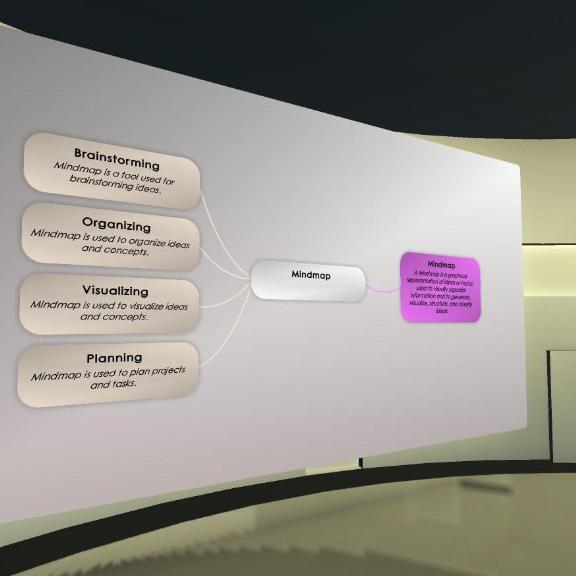
Mind mapping is a powerful tool for brainstorming, planning, problem-solving, and capturing information.
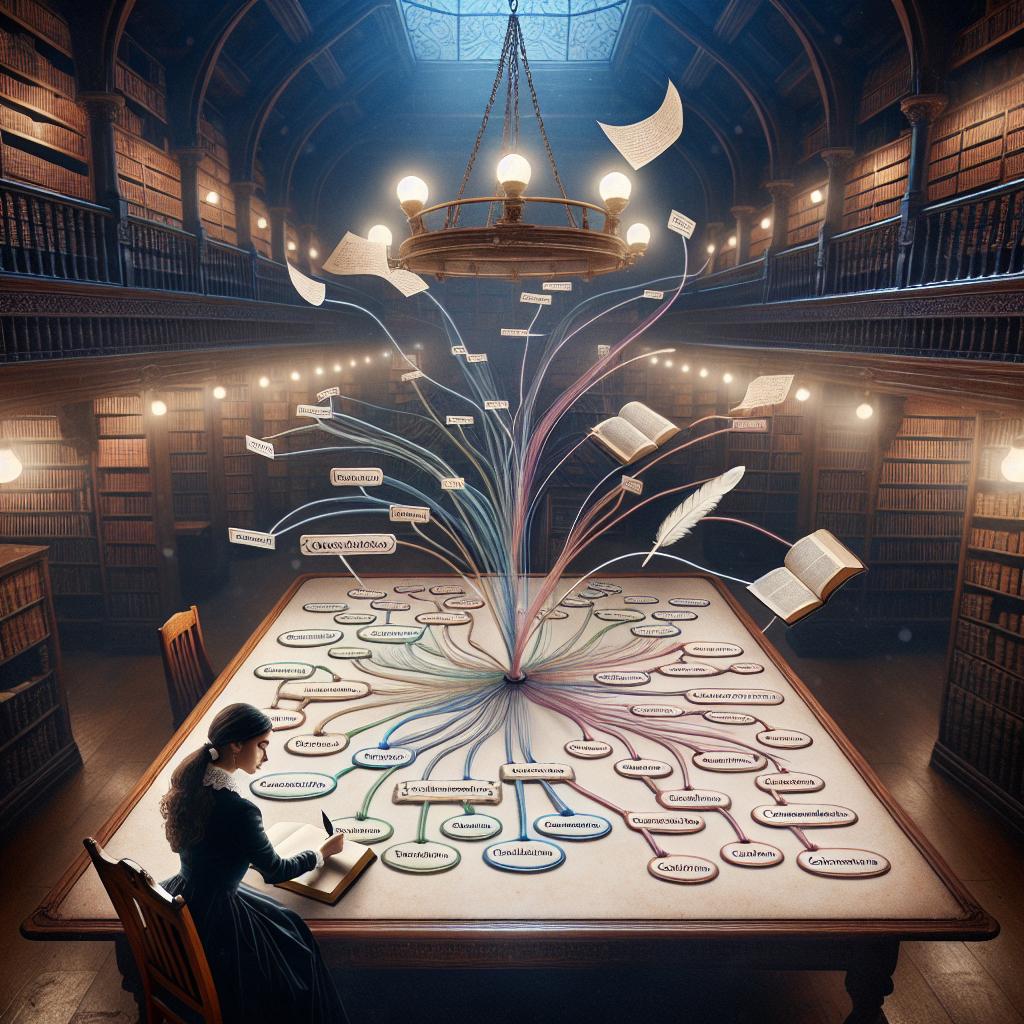
Advanced mind mapping techniques go beyond basic mind mapping and include techniques such as color-coding, using relationships and connections, and adding multimedia elements.
These techniques are especially helpful for professionals in various fields, including project management, strategic planning, and creative thinking.
Advanced mind mapping techniques help professionals effectively organize complex information and distill it into clear and actionable insights.
By visually representing connections and relationships, professionals can easily identify patterns, gaps, and opportunities.
These techniques facilitate collaboration and communication among team members, enabling efficient knowledge sharing and decision-making processes.
Color-coding: Using different colors to categorize and differentiate concepts or ideas.
Relationships and connections: Drawing arrows or lines to show connections between related concepts or ideas.
Multimedia elements: Adding images, videos, audio recordings, or hyperlinks to provide additional context and information.
Branching and sub-branches: Creating branches and sub-branches to further expand on specific ideas or subtopics.
Mind mapping stimulates both the logical and creative sides of the brain, allowing for more holistic thinking and problem-solving.
It promotes active engagement and memory retention by utilizing visual cues and associations.
Mind mapping is applicable in various professional settings, including education, business, project management, and personal development.