
The term 'Obeya' originates from Japanese, meaning 'big room' or 'war room'.
Obeya visual project management is often used in Lean management and Agile methodologies.
It promotes transparency and real-time visibility into project status for all team members.
Improved communication and collaboration among team members.
Increased transparency and shared understanding of project goals and progress.
Quick identification and resolution of issues or bottlenecks.
Efficient utilization of resources and timely decision-making.
Alignment of team members towards project objectives.
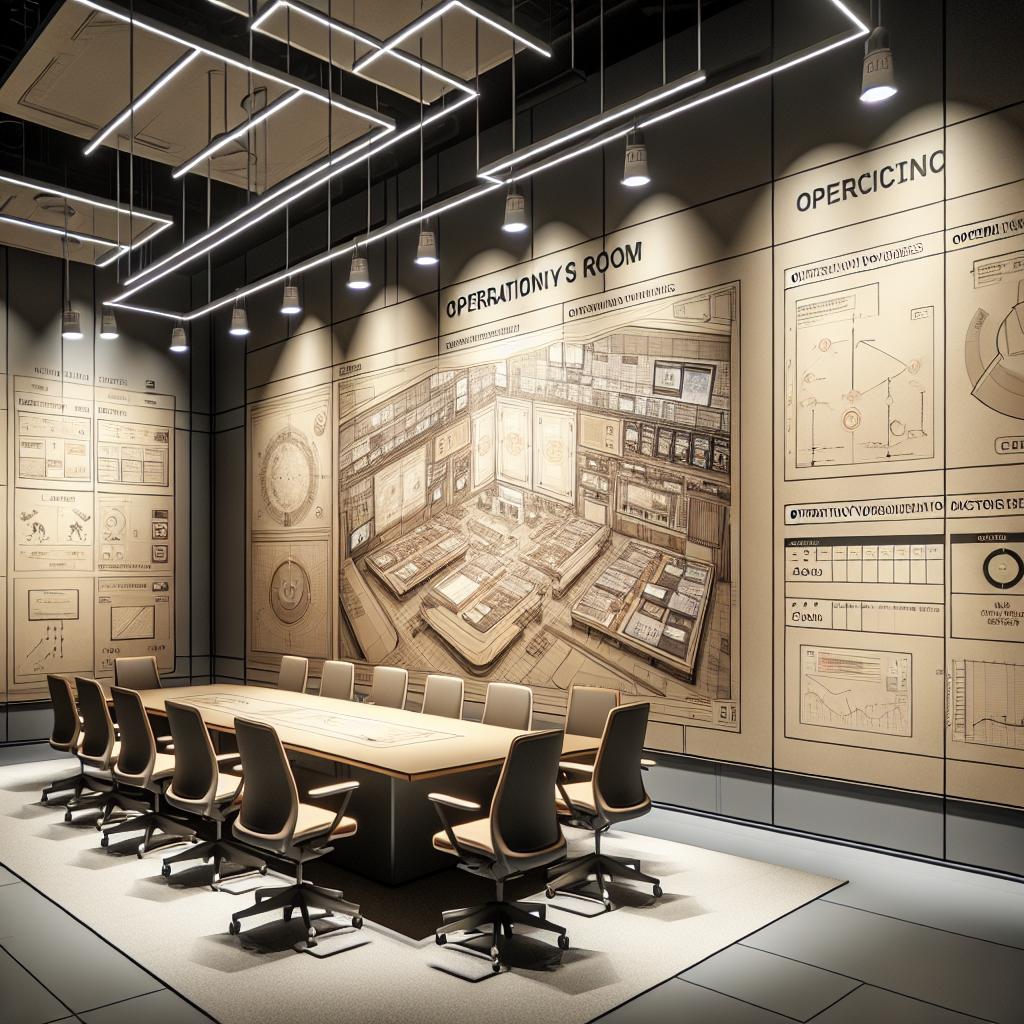
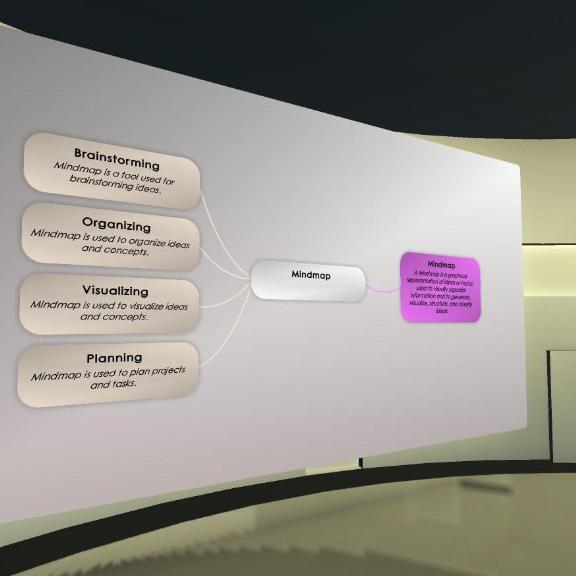
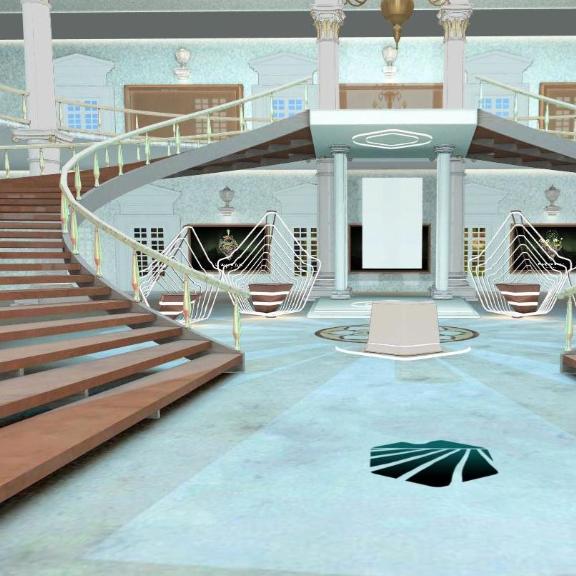
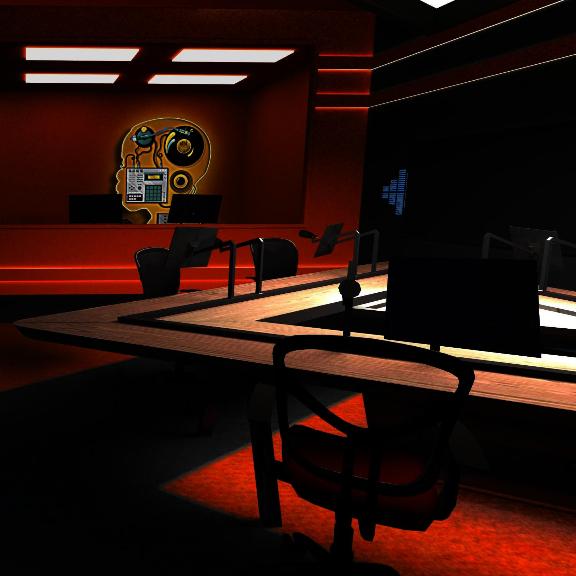
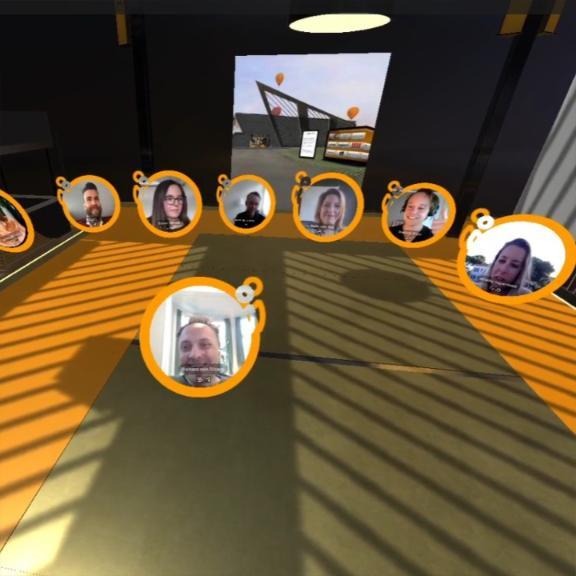
Creation of a dedicated physical or digital space, often referred to as the 'Obeya room' or 'war room'.
Utilization of visual aids such as boards, charts, and diagrams to represent project tasks, progress, and milestones.
Regular team meetings and discussions in the Obeya room to share updates, address challenges, and make decisions.
Continuous improvement and adaptation based on the visual feedback and insights gained from the Obeya room.
Obeya visual project management aligns with the principle of Gemba, which focuses on going to the actual place where work is done to gain insights.
The Obeya room serves as a centralized hub for project information, fostering a sense of shared responsibility and ownership among team members.
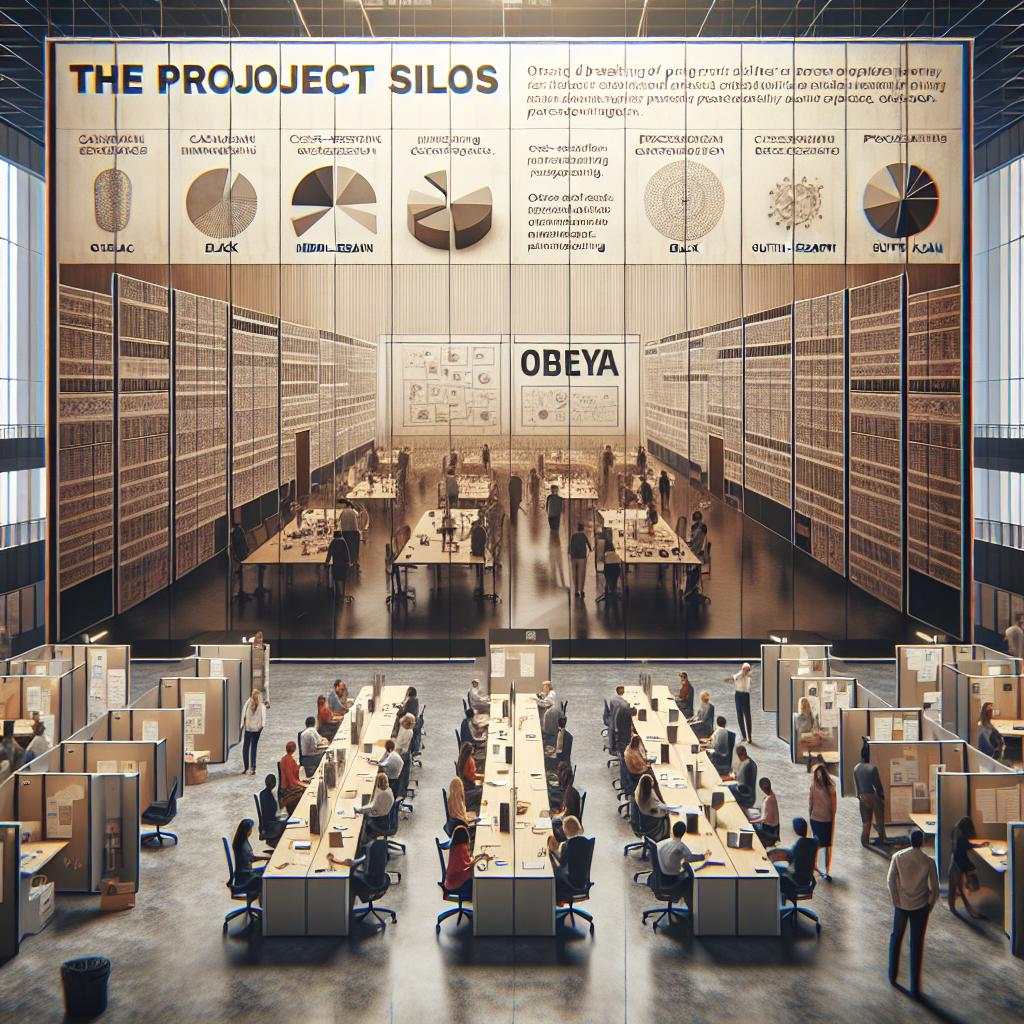
It promotes cross-functional collaboration and allows for efficient information flow across different project teams.