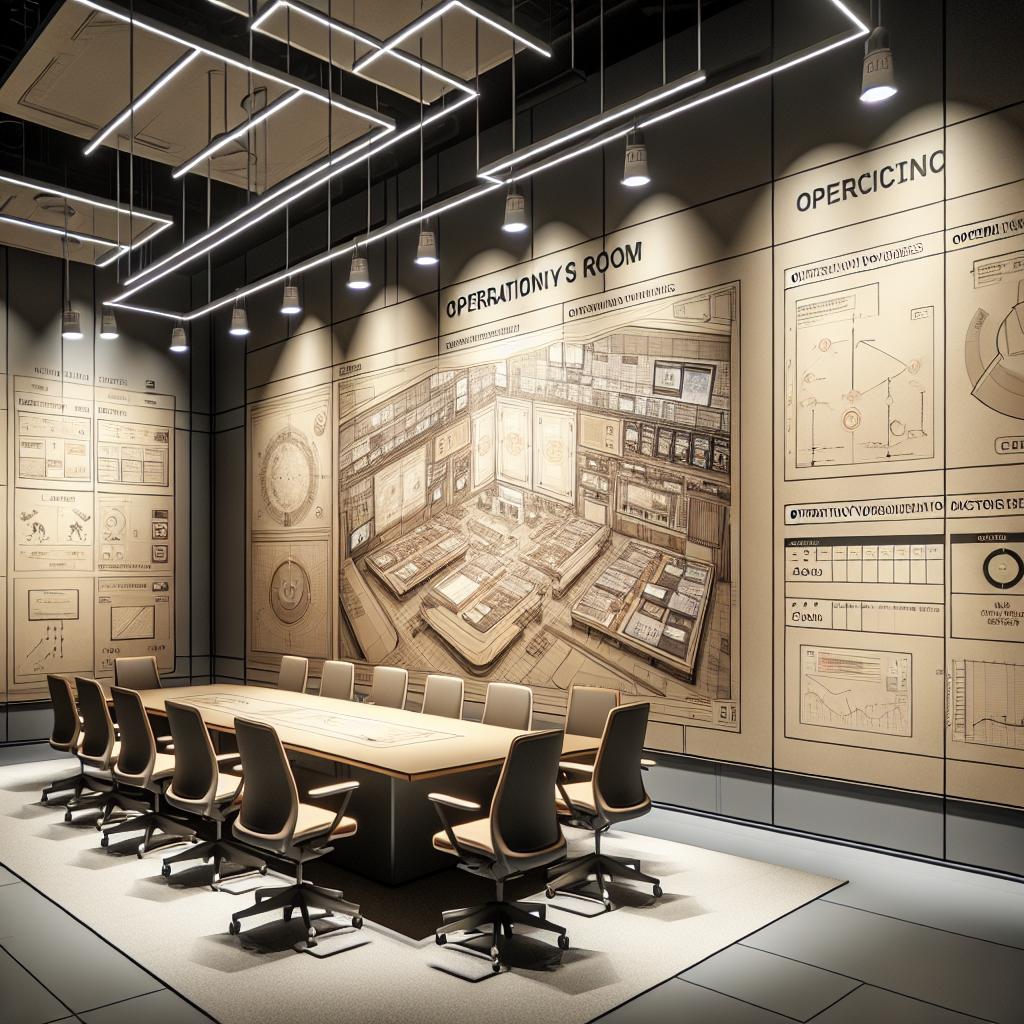

Obeya Rooms originated in Japan and were popularized by Toyota as part of their Lean management principles
The term 'Obeya' translates to 'big room' or 'great room' in Japanese
Obeya Rooms promote transparency, communication, and cross-functional collaboration
They have been widely adopted in the Netherlands for agile project management
Transparency: Obeya Rooms provide a transparent workspace where project progress, challenges, and opportunities are clearly visible to everyone
Collaboration: The room fosters cross-functional collaboration by bringing together teams from different departments and disciplines
Communication: It facilitates open communication and improves information sharing among team members
Continuous Improvement: Obeya Rooms promote the mindset of continuous improvement by encouraging teams to identify and address bottlenecks or issues promptly
Obeya Rooms have been successfully implemented by major Dutch companies like Philips, ING, and KLM
The Netherlands is known for its strong culture of collaboration and consensus-driven decision-making
Obeya Rooms align with the Dutch approach to project management, which emphasizes transparency, teamwork, and continuous improvement
The Netherlands has a high adoption rate of Agile methodologies and Lean practices