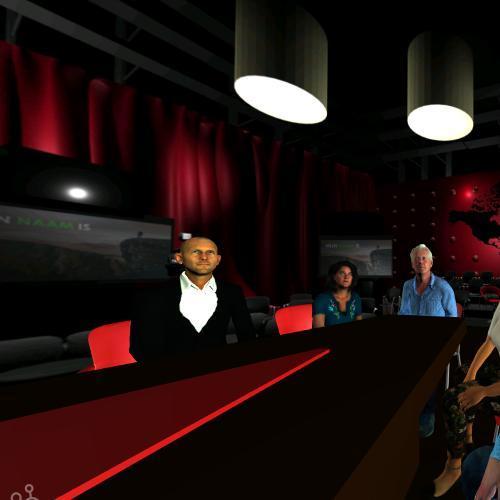
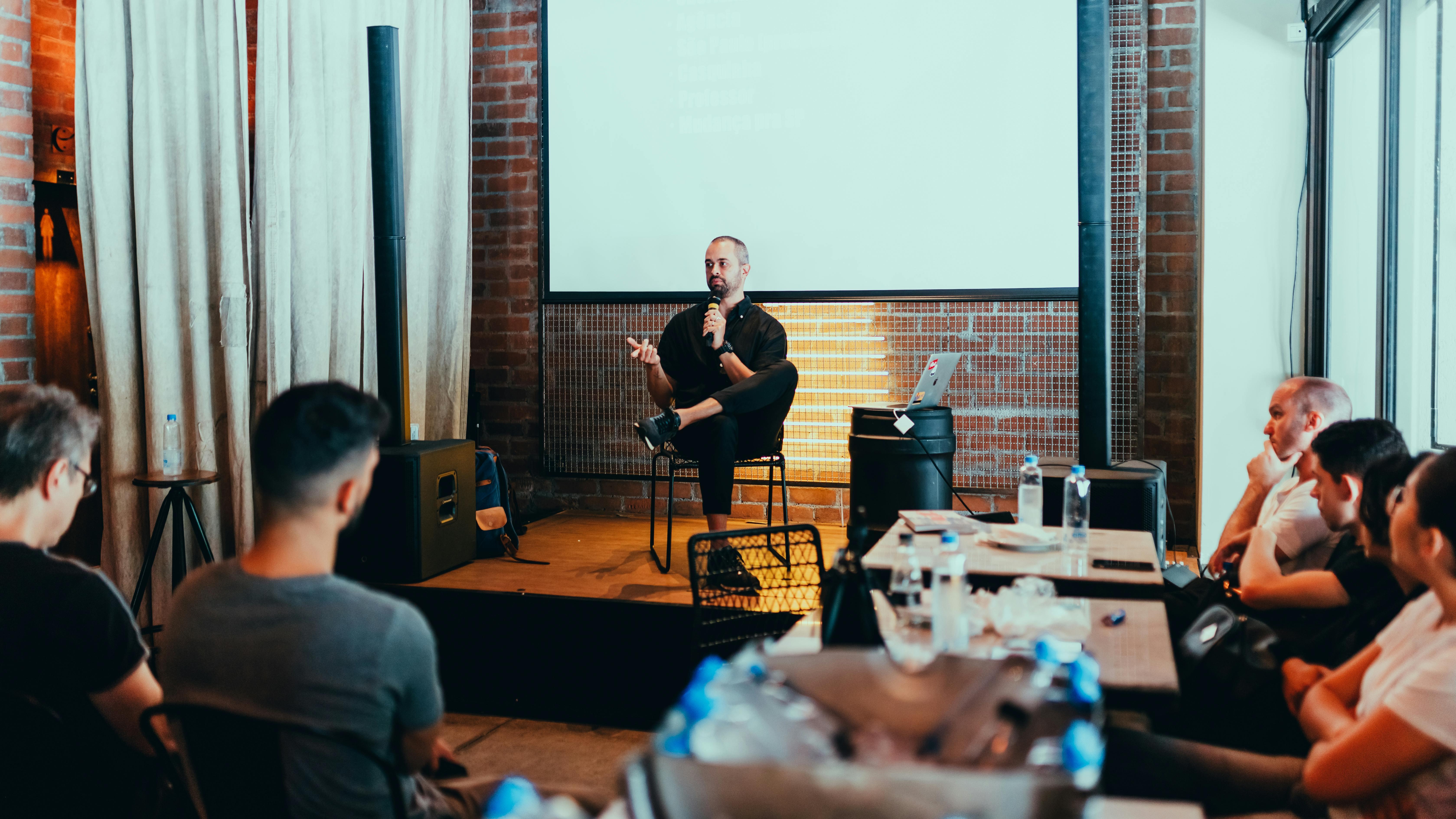
Research has shown a positive correlation between using VR for public speaking practice and improved speech delivery.
VR allows individuals to experiment with different presentation styles, gestures, and body language in a safe and controlled environment.
Practicing in VR can help individuals overcome stage fright and anxiety associated with public speaking.
Studies have shown that VR-based training can significantly increase self-confidence levels in public speaking.
The immersive nature of VR helps individuals desensitize to the fear of public speaking, leading to increased self-assurance.
Confidence gained from VR practice can positively impact overall communication skills in various settings.
Incorporating VR features like 360-degree videos or interactive elements can significantly increase audience attention and retention.
Virtual reality presentations are more likely to leave a lasting impression on the audience compared to traditional methods.
VR can provide a unique and immersive way to communicate complex ideas or concepts to an audience.
VR technology can simulate different audiovisual distractions, interruptions, and unexpected questions, making presentations more realistic and preparing individuals for real-world challenges.
Repeated exposure to various scenarios in VR can improve adaptability, decision-making, and improvisation skills in presenting.
VR practice can help individuals become more effective communicators overall, as they gain experience in handling unexpected situations.
VR systems can provide real-time feedback during virtual presentations, highlighting areas that need improvement and offering suggestions for enhancement.
The ability to review and analyze VR recordings of presentations allows for in-depth self-reflection and learning.
Personalized feedback in VR can accelerate the learning process and help individuals make rapid improvements in their presenting skills.