
Watch the film: Digital vs Traditional Obeya: What Really Changes
Still printing charts every Monday? Stop. Paper and screens side by side: numbers, access, actions, history, upkeep. Press play: the film runs 18 seconds, with a voice-over and the key words on screen.
What does the film say?
In 18 seconds the voice-over makes one case: still printing charts every Monday? Stop. Three short points carry it, each one small enough to remember at the wall:
- Paper goes stale.
- Only the room can see it.
- Digital is always today.
The closing thought: keep the wall. Lose the printouts. It is the line to keep when everything else fades.
The idea behind the film
The film is the short version of the article Digital vs Traditional Obeya: What Really Changes. Here is the thinking it is cut from.
A digital Obeya is the big room with the same walls, but on screens with live numbers instead of on paper. The wall is always today’s, everyone sees the same version and a deviation leads straight to the action that goes with it. That way you keep the strength of the physical wall and lose the printouts.
Traditional here means the paper wall: printed charts, sticky notes and a marker. This is what changes when the same layout goes on screens.
Anyone who has built a paper Obeya knows the pattern. The first weeks the wall is full and current. After that someone has to reprint the charts every week, update the sticky notes and find the marker again. At some point nobody does it any more, and a number from three weeks ago hangs next to an action that was finished long ago.
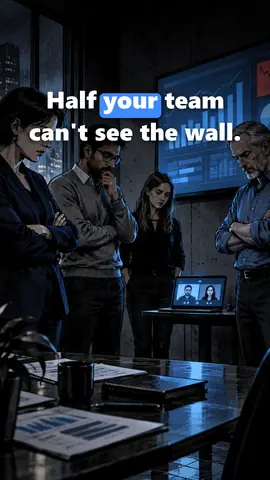
There is something else. A paper wall only works for the people standing in the room. A colleague who works from home, sits at another location or is on the night shift does not see the wall. Then it is no longer a shared truth, but a photo someone sends around.
A digital Obeya puts the same layout on screens: goals and KPIs, plan and milestones, problems and actions, decisions and risks. In CoVince that is the Control Room, a board of tiles that spreads itself over one, three or nine screens. Each screen gets a name, for example Goals, Progress, Actions or Risks.
What the full article covers
- Digital vs traditional Obeya, side by side
- What goes wrong with paper
- What a digital Obeya does
- Tap a chart, see the action
- Ask the board
- How to start small
- Who maintains the wall?
Keep exploring
Choosing a solution for your own wall? Read the guide Obeya software, or go back to the digital Obeya with CoVince. Prefer to keep watching? The films below take the same approach to the neighbouring questions.
Frequently asked questions
What is this film about?
Still printing charts every Monday? Stop. Paper goes stale. Only the room can see it. Digital is always today.
How long is the film, and is there sound?
The film runs 18 seconds in a vertical format. It has an English voice-over and the key words on screen, so it also works with the sound off.
Where can I read more about this?
In the article “Digital vs Traditional Obeya: What Really Changes”: Paper and screens side by side: numbers, access, actions, history, upkeep.
What is the difference between a digital and a paper Obeya?
A paper Obeya only works for the people standing in the room and has to be updated by hand. A digital Obeya shows live numbers, is the same for everyone at every location and keeps actions, decisions and conversations.
 Hybrid Obeya: when half the team is at home
 How to Choose Obeya Software: Checklist and Vendor Questions
 Obeya in Miro, Teams or Power BI?
 Best Digital Obeya Software: Buyer's Guide and Comparison