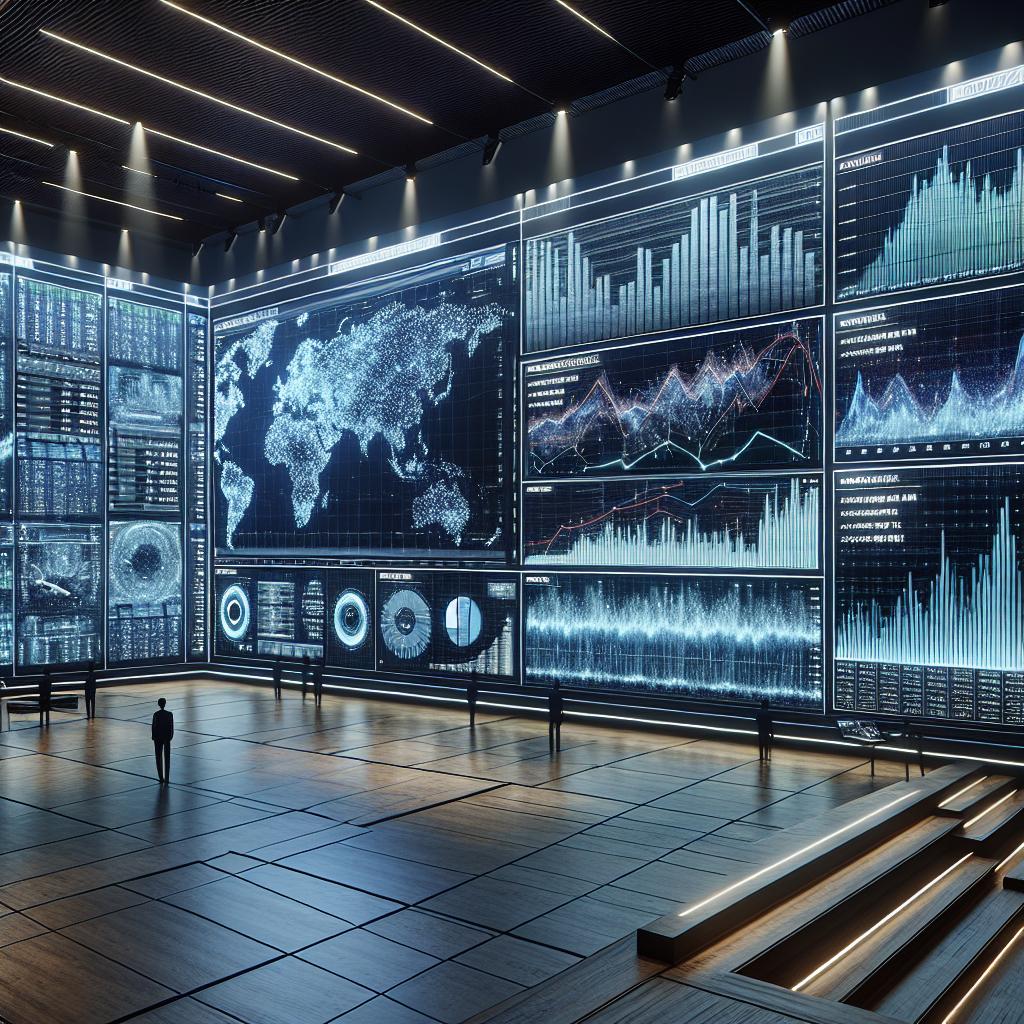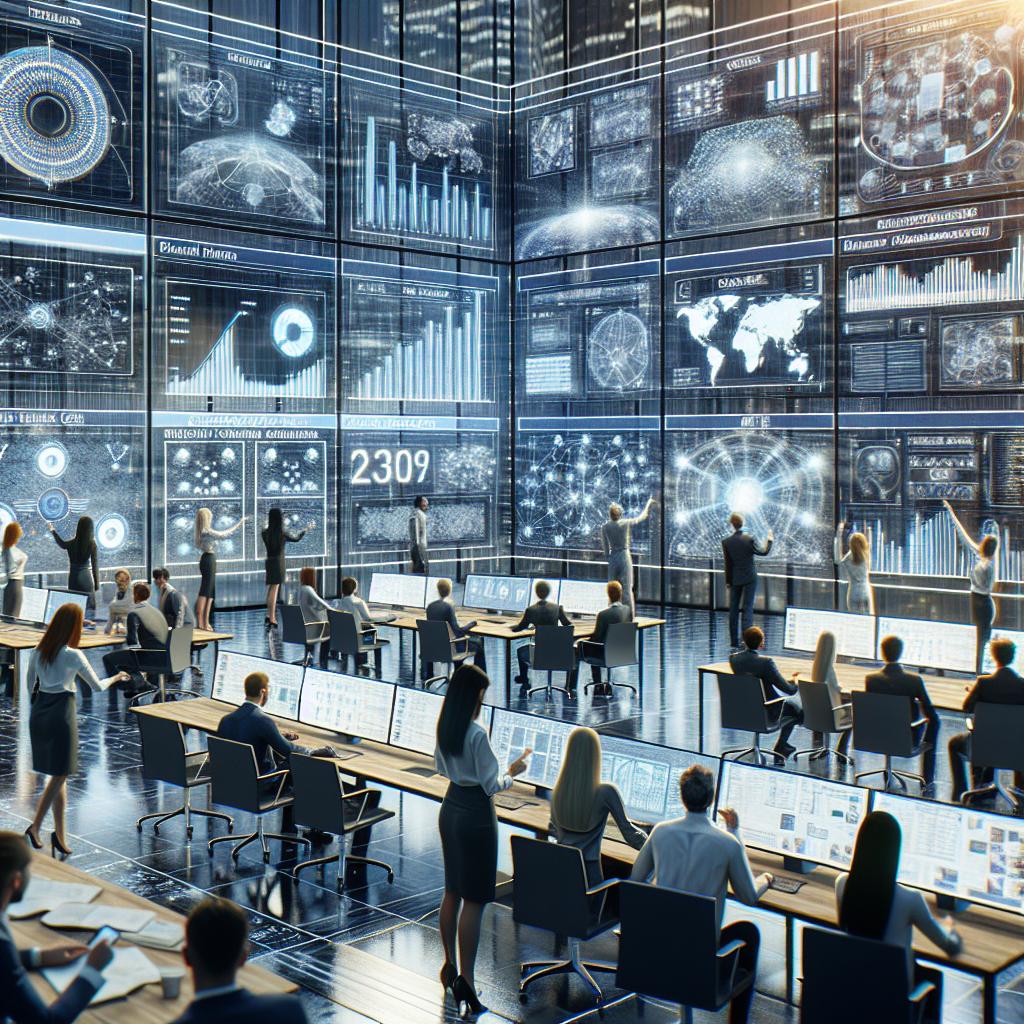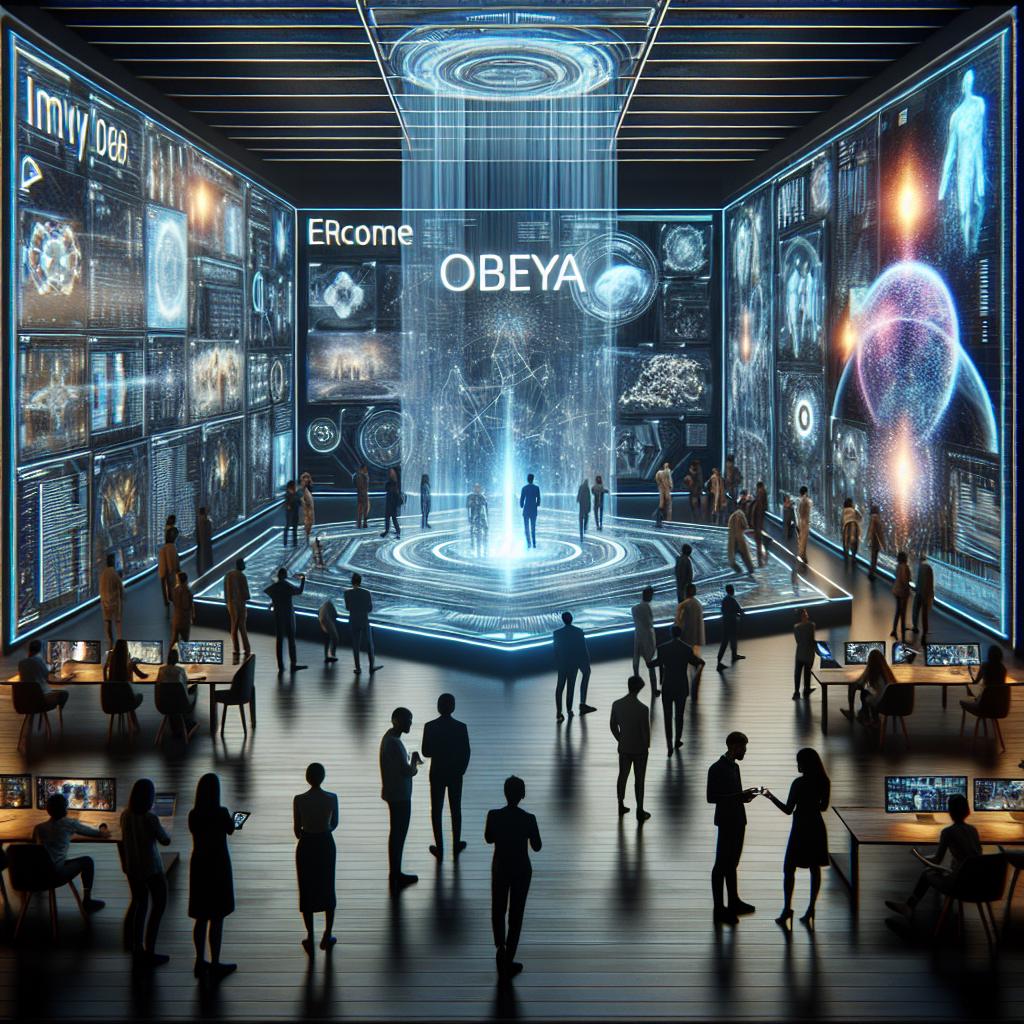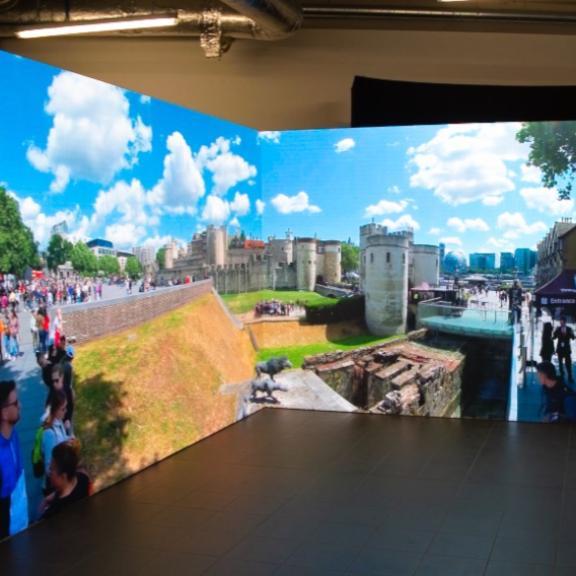
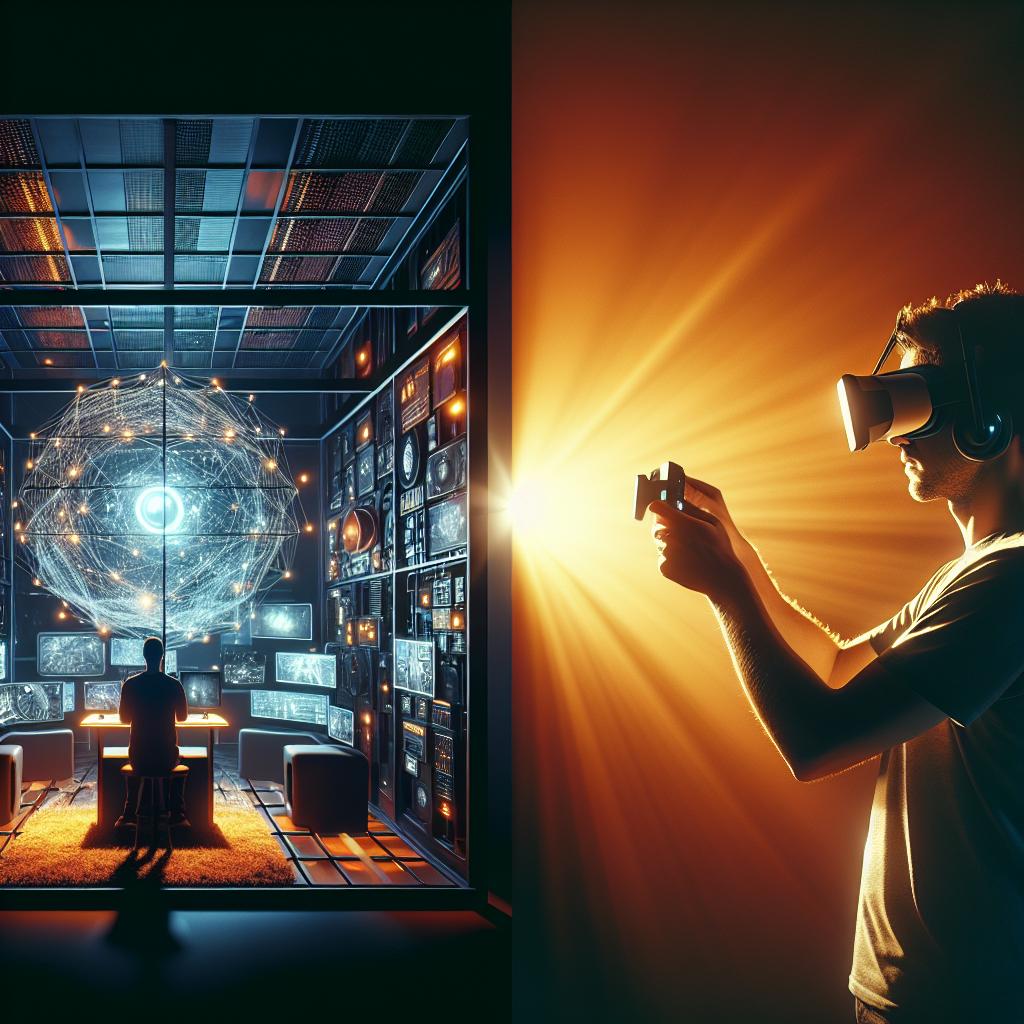
Immersive rooms can incorporate multiple screens and projectors, providing a seamless and expansive display.
Strategic placement of projectors can create 3D effects and depth perception.
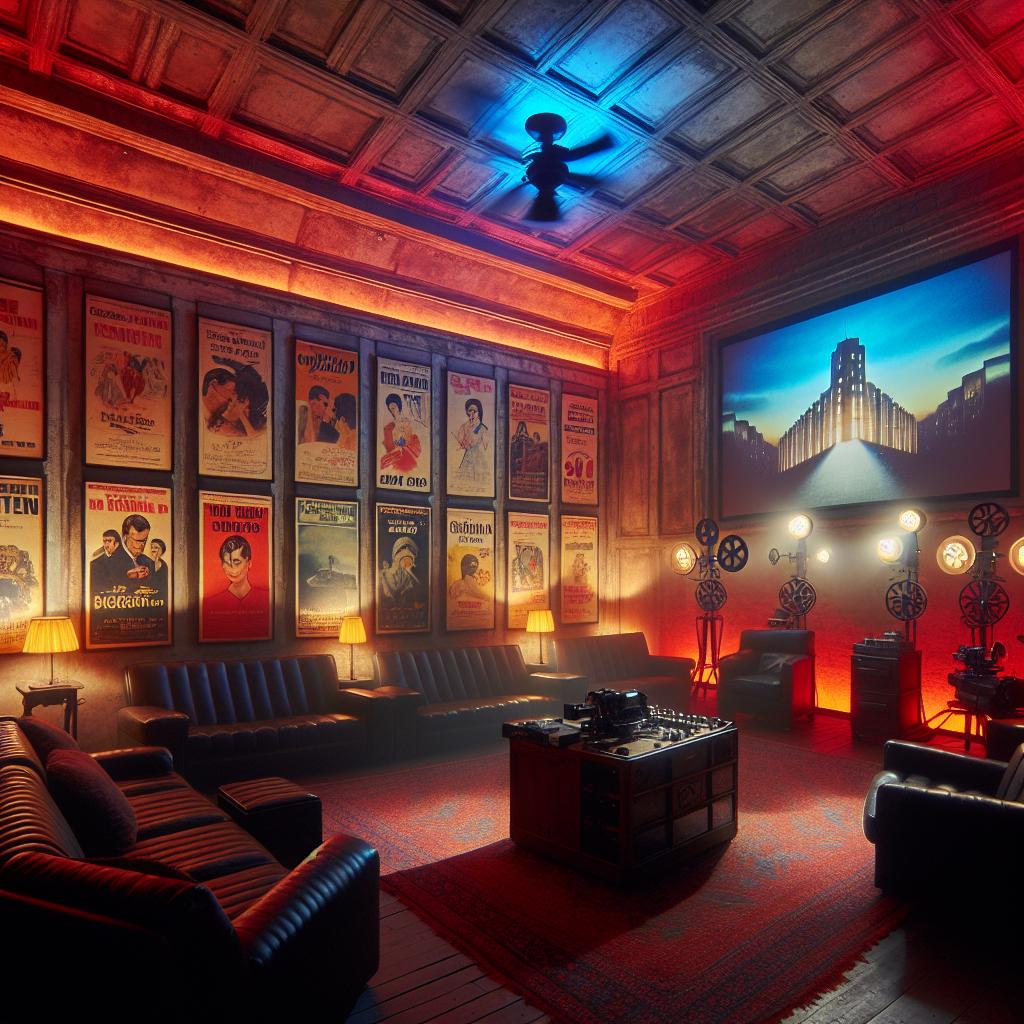
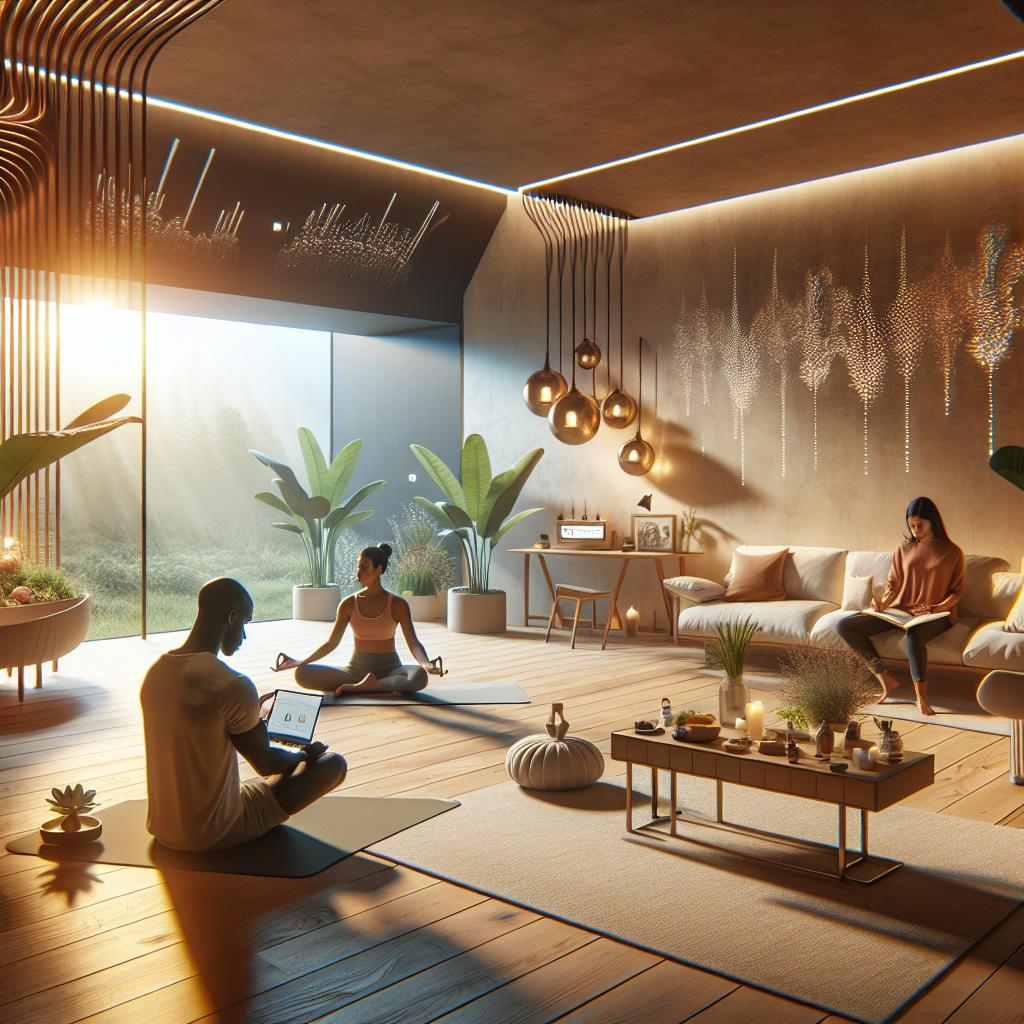
Advanced lighting techniques, such as ambient lighting, enhance the overall visual experience.
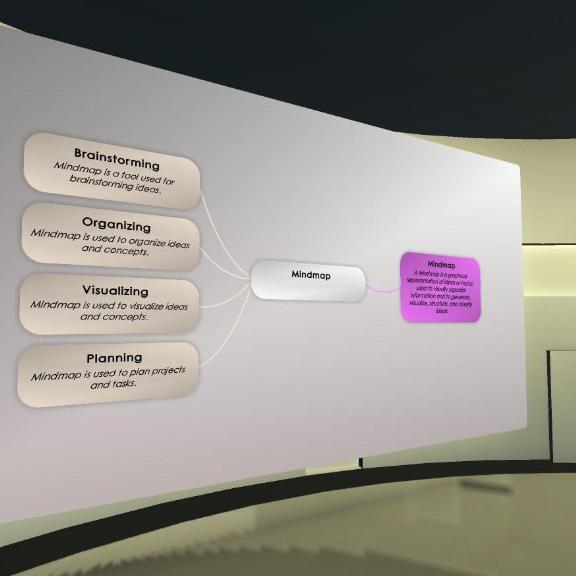
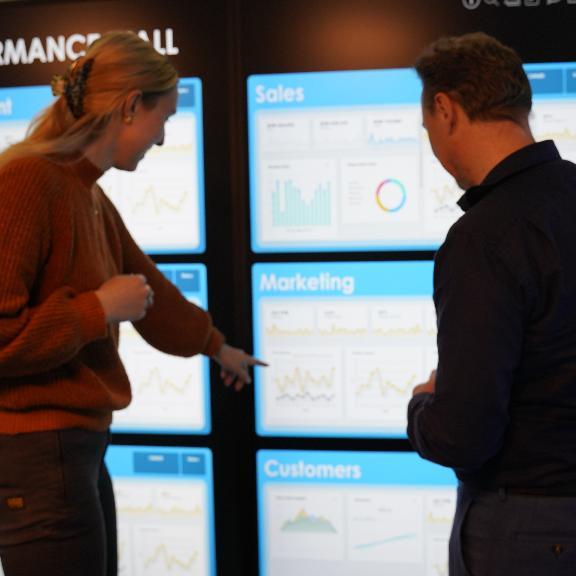
Immersive rooms often include interactive touchscreens, enabling easy annotation and markups.
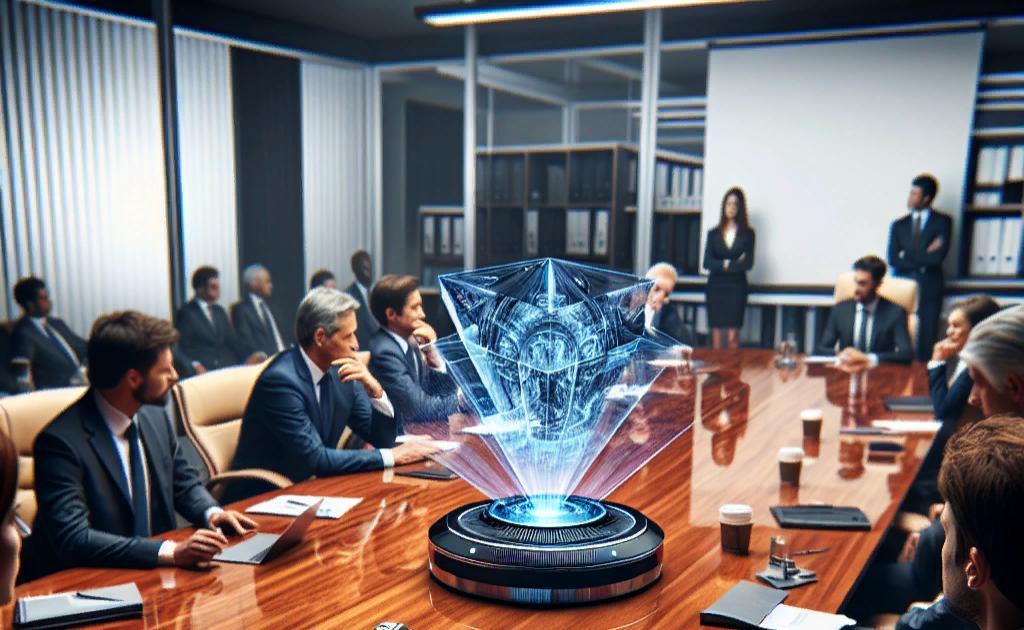
Team members can view and edit content simultaneously, fostering better teamwork.
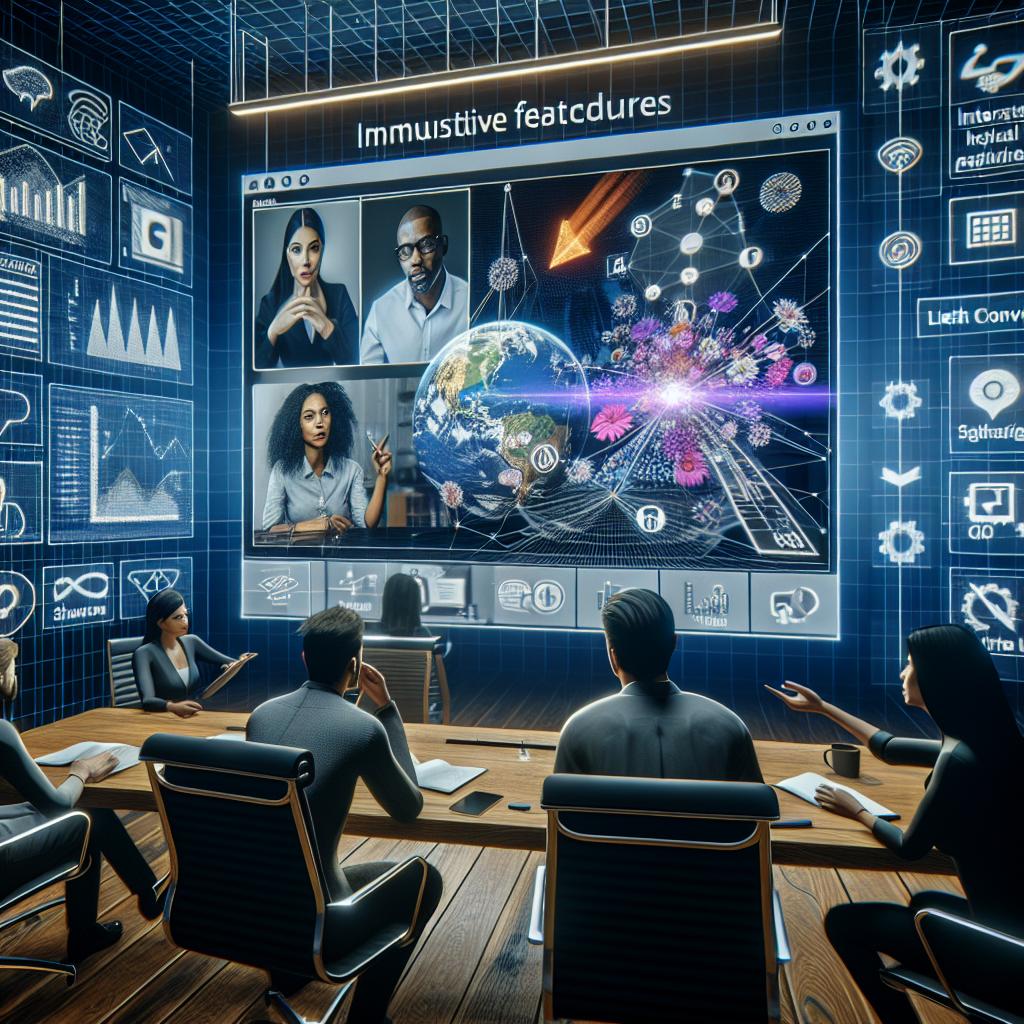
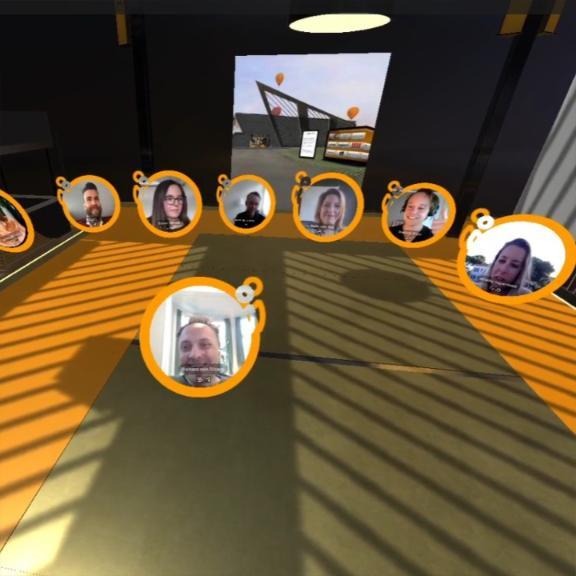
Real-time communication and feedback can be facilitated through video conferencing tools integrated into the room.
Immersive rooms reduce the expenses associated with physical set constructions and prop arrangements.
On-location shoots can be simulated in the immersive environment, reducing travel costs.
Real-time adjustments and immediate feedback minimize the need for re-shooting scenes.
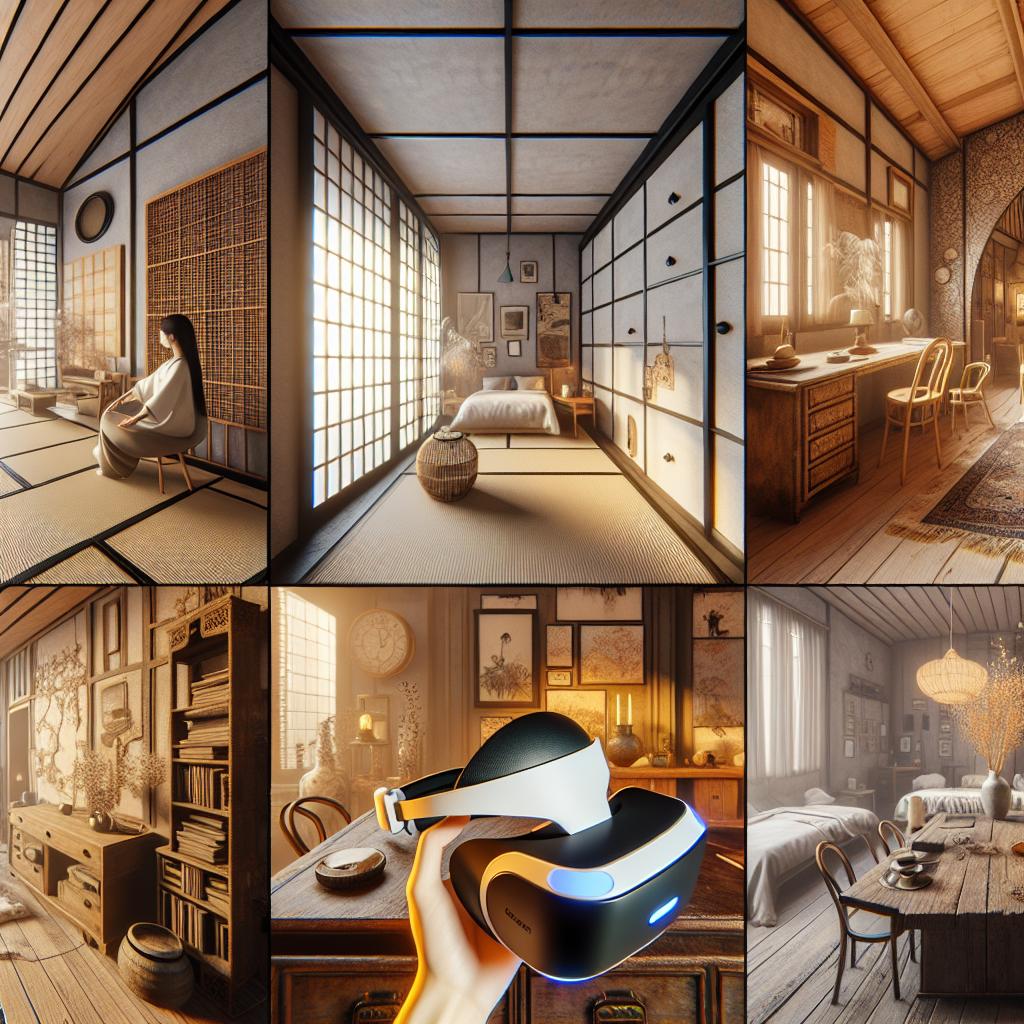
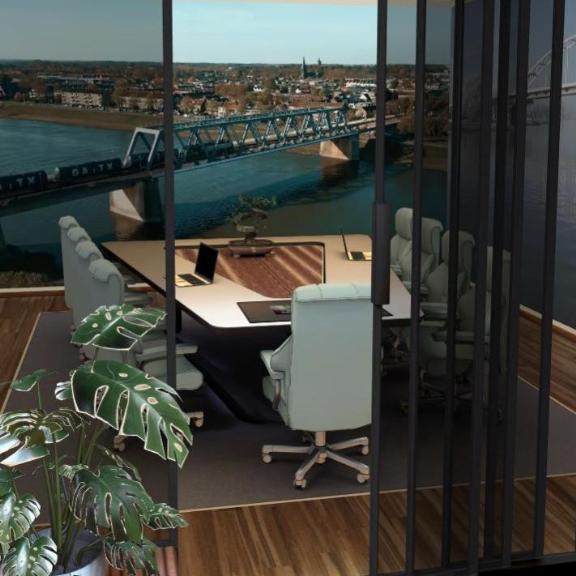
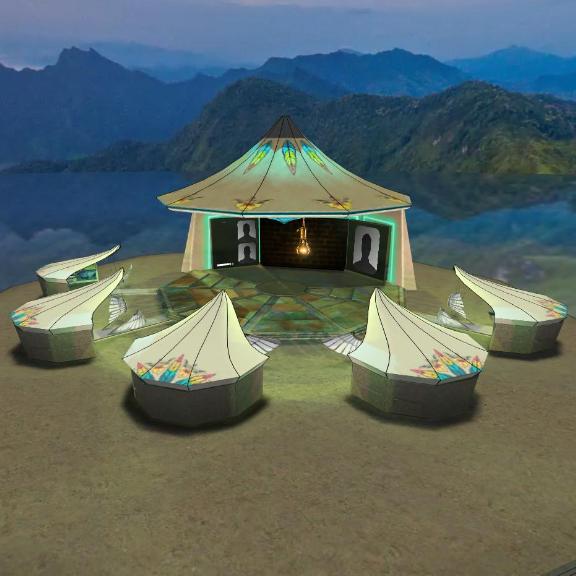
Immersive rooms can replicate any desired background or scene digitally, eliminating the need for physical sets.
Different lighting conditions and ambiance can be simulated accurately, allowing for diverse storytelling.
The room can be reconfigured quickly to match different video production needs and desired atmospheres.
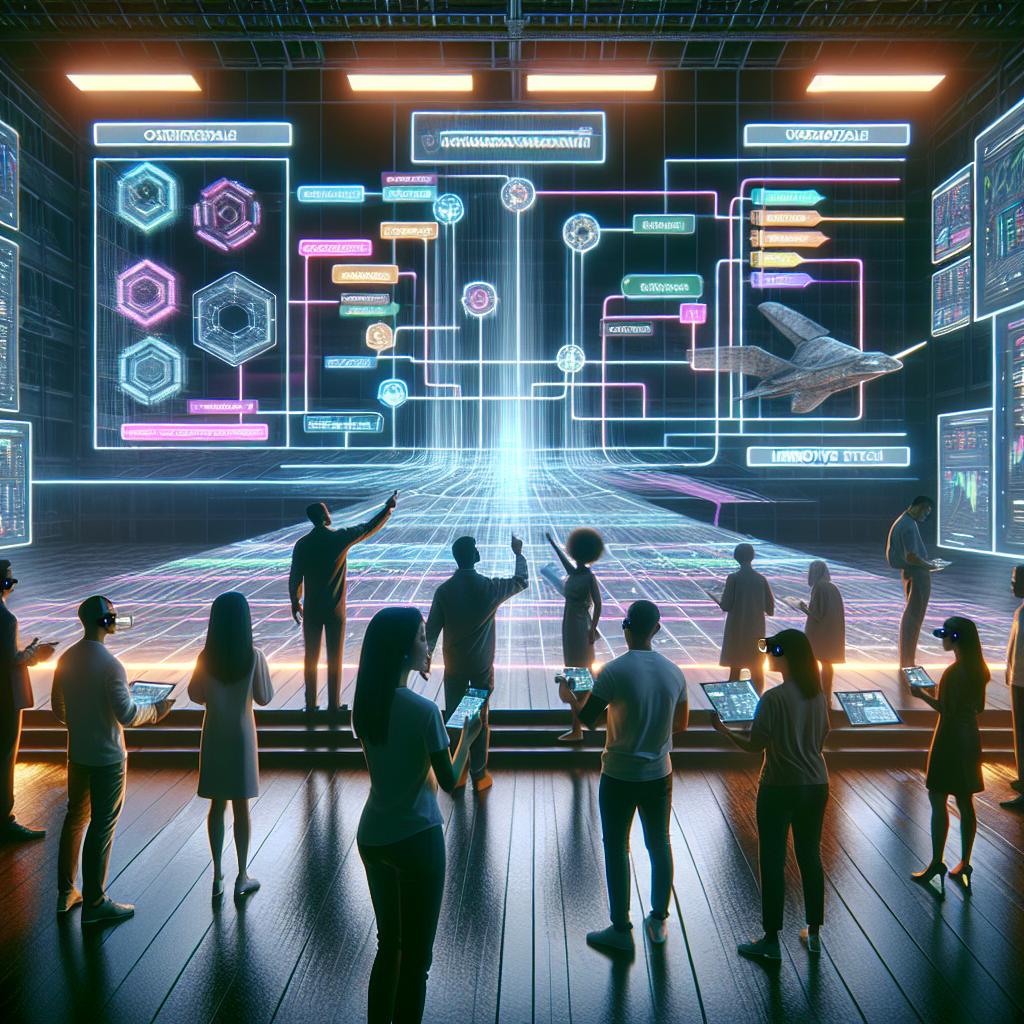
Immersive rooms can be used to simulate and visualize complex scenarios, aiding in training and educational content creation.
Virtual reality headsets can be integrated into the immersive room, providing a fully immersive experience.
Interactive elements within the room enable hands-on learning and engagement.