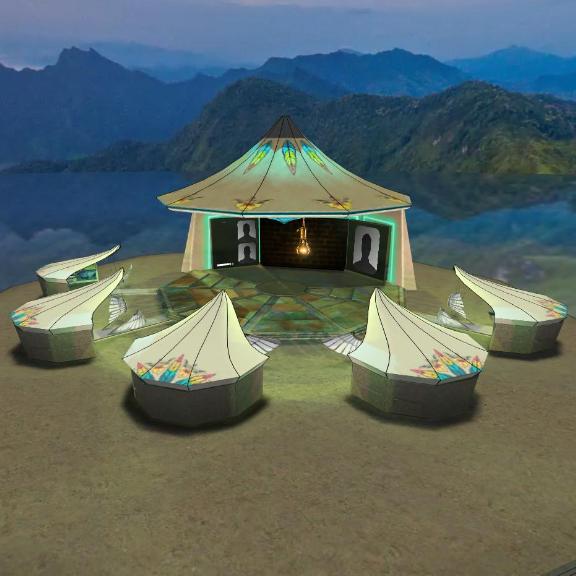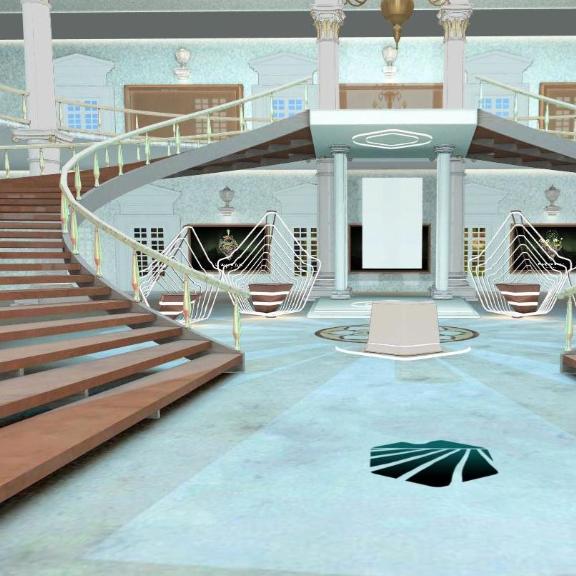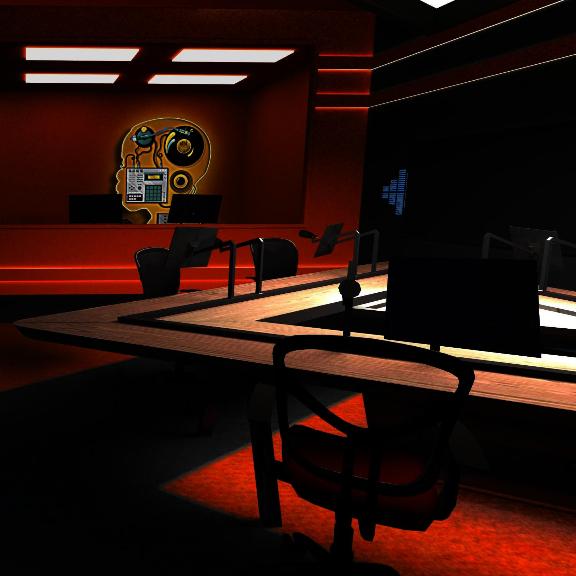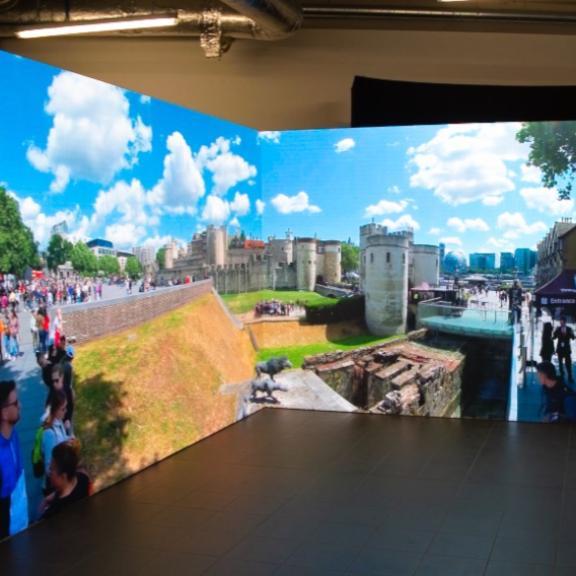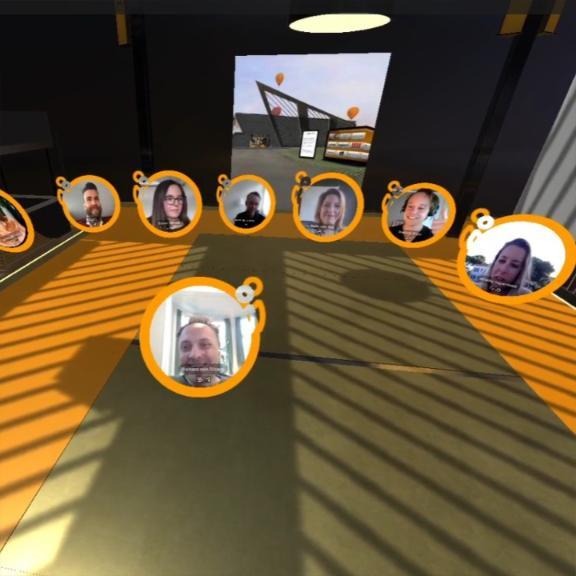
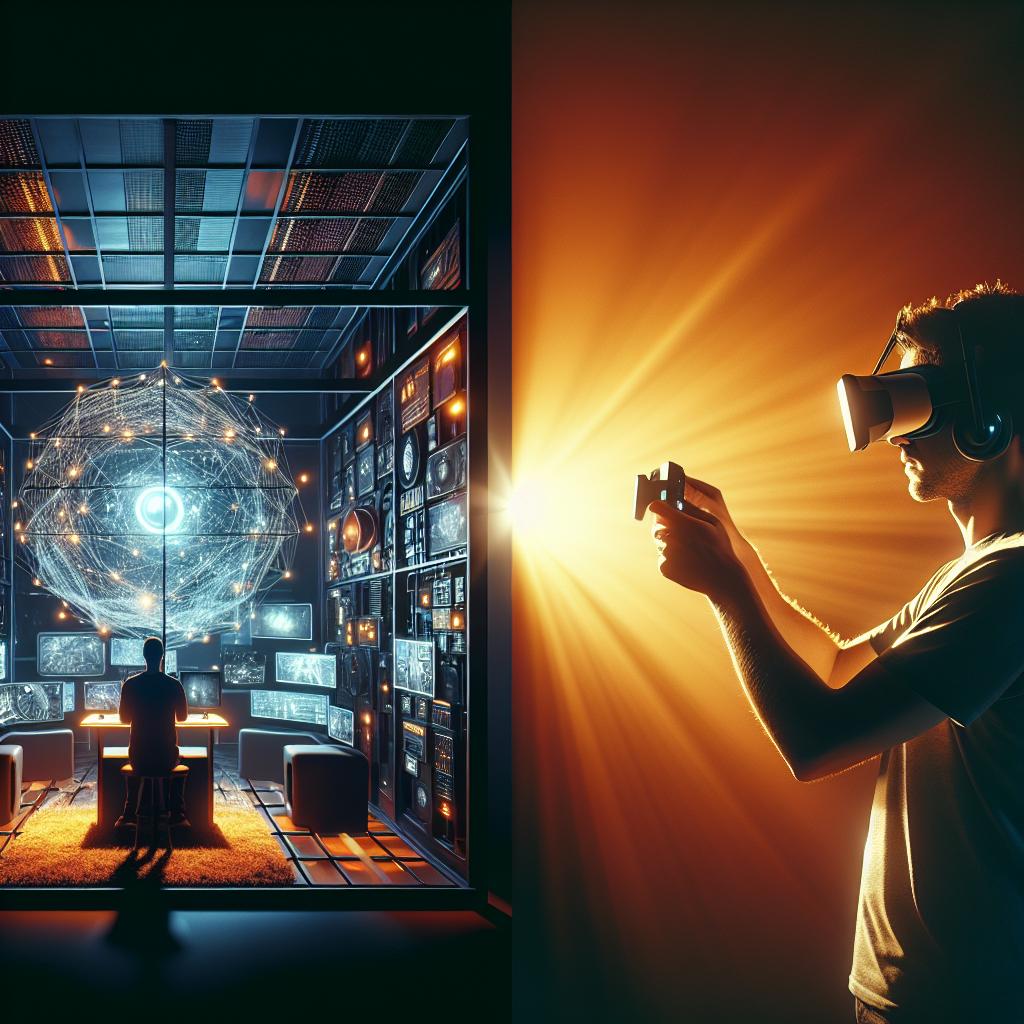
Immersive room virtual tours utilize 360-degree panoramic images or videos that capture the entire room or space from multiple angles
Users can interact with the virtual tour using their computer, smartphone, or virtual reality (VR) headset
Immersive room virtual tours are commonly used in real estate, hospitality, and tourism industries to showcase properties and venues
Increased engagement and interaction with the virtual environment- Time and cost savings by reducing the need for physical visits to the space
Enhanced communication and understanding of room layouts and features
Improved user experience and customer satisfaction
Expanded reach and accessibility, allowing users from anywhere to experience the room
Capturing high-resolution 360-degree panoramic images or videos of the room
Stitching the captured images or videos together to create a seamless virtual environment
Adding interactive elements such as hotspots, annotations, and audio guides to enhance the user experience
Publishing the virtual tour on a website or platform for users to access and explore
Virtual tours have been shown to increase viewer engagement and lead to higher conversion rates
The market for virtual reality and augmented reality is projected to reach billions of dollars in the coming years
Immersive room virtual tours are compatible with various devices, including computers, smartphones, and VR headsets