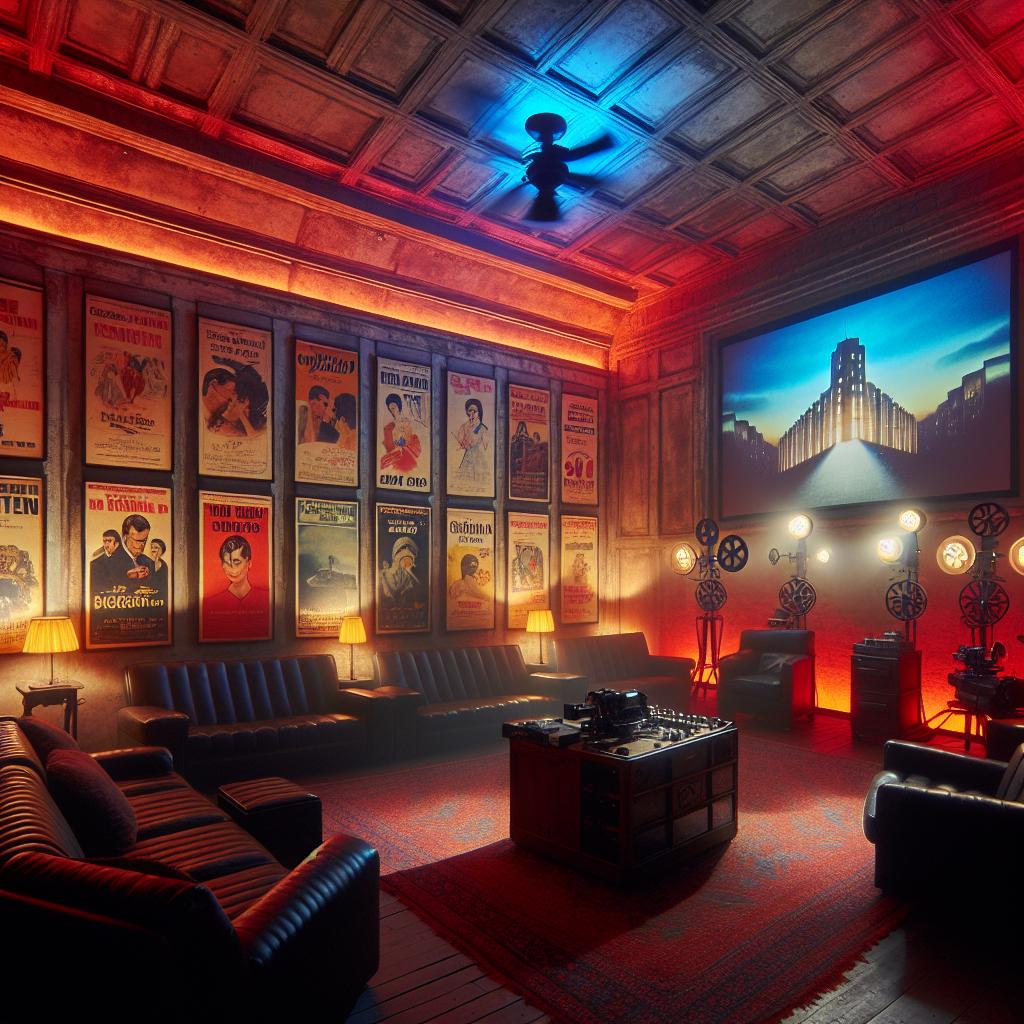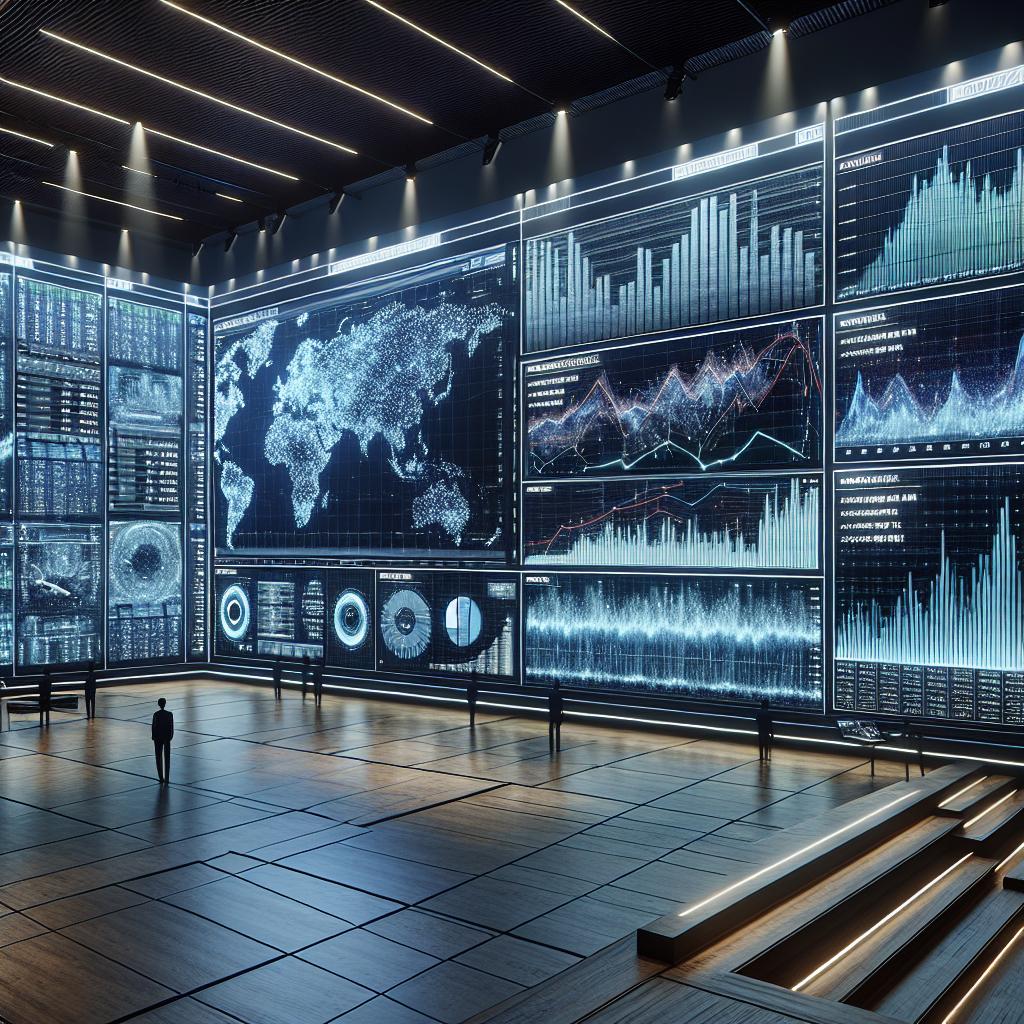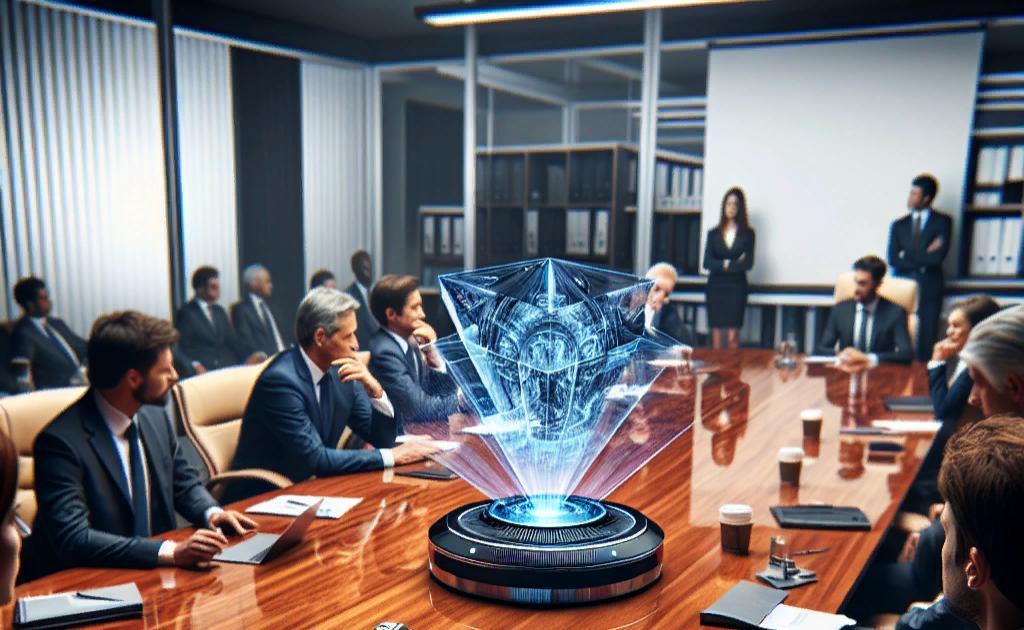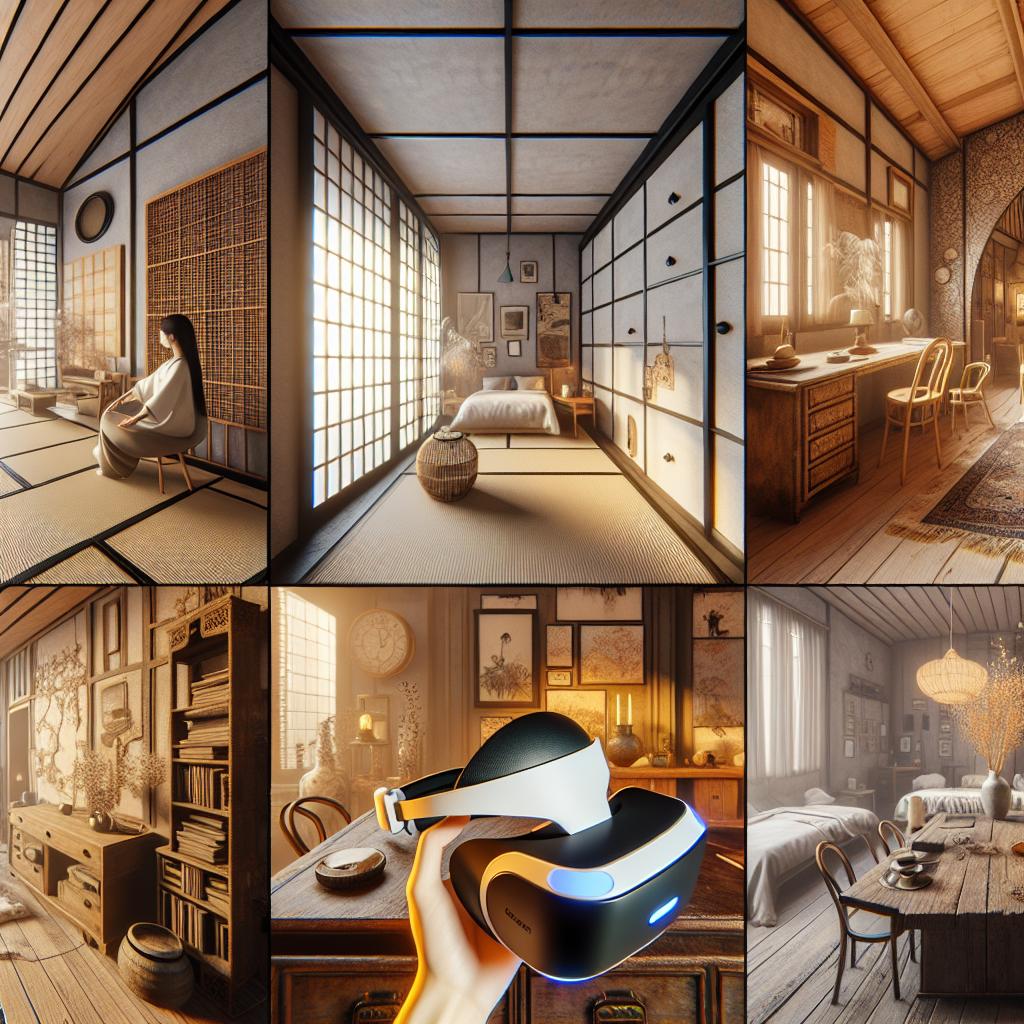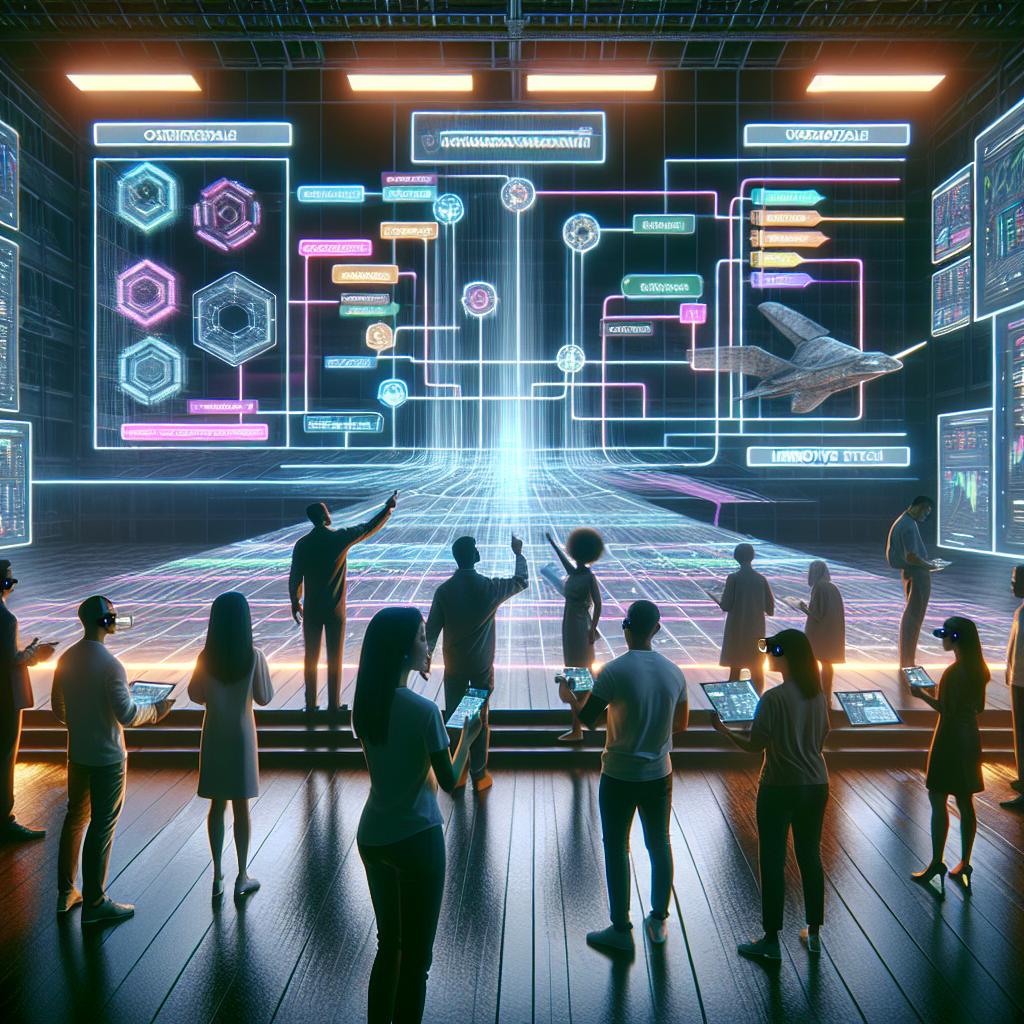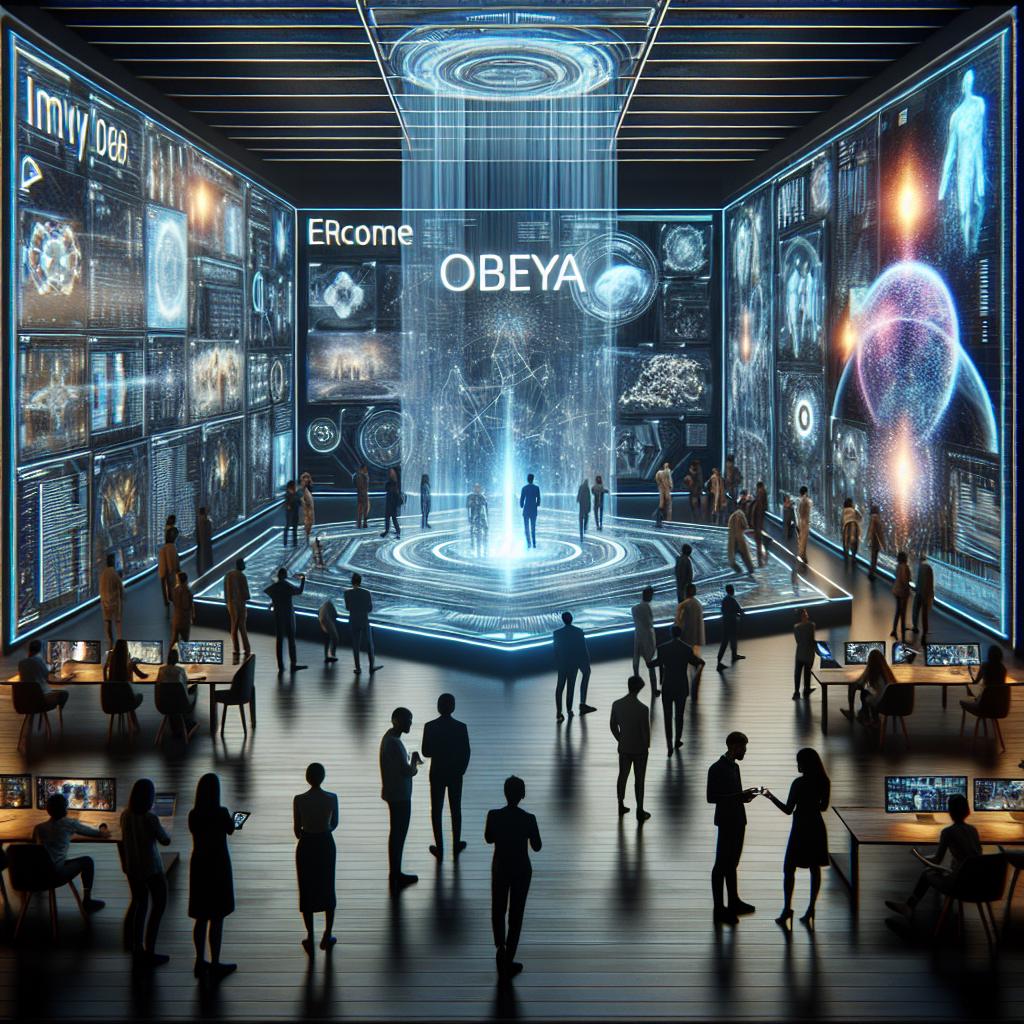
Immersive rooms are often used in various industries such as entertainment, education, and therapy.
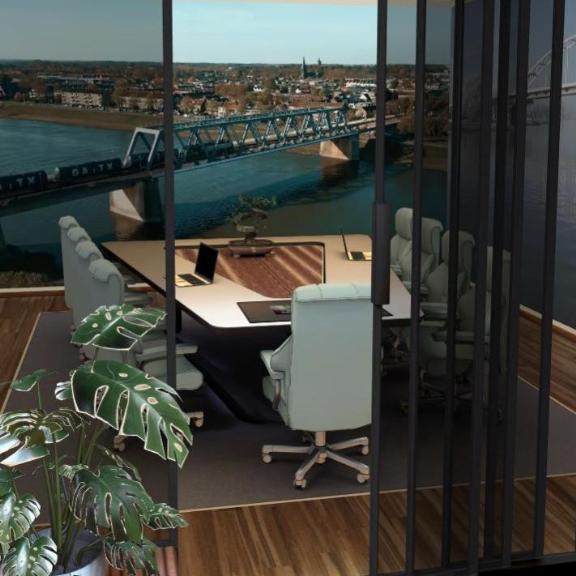
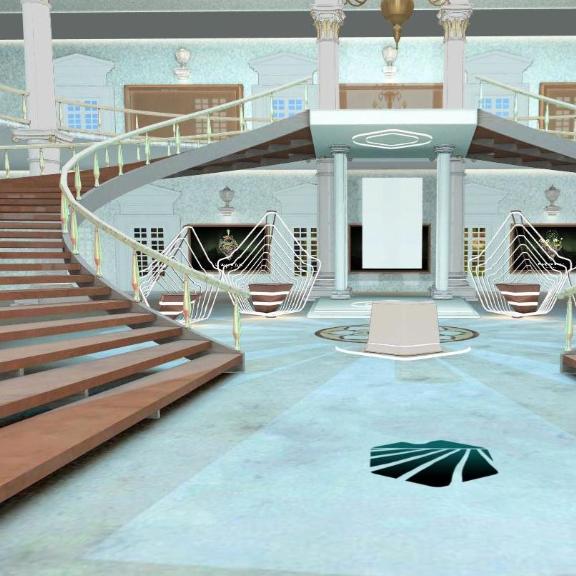
They can be designed as standalone rooms or integrated into existing spaces.
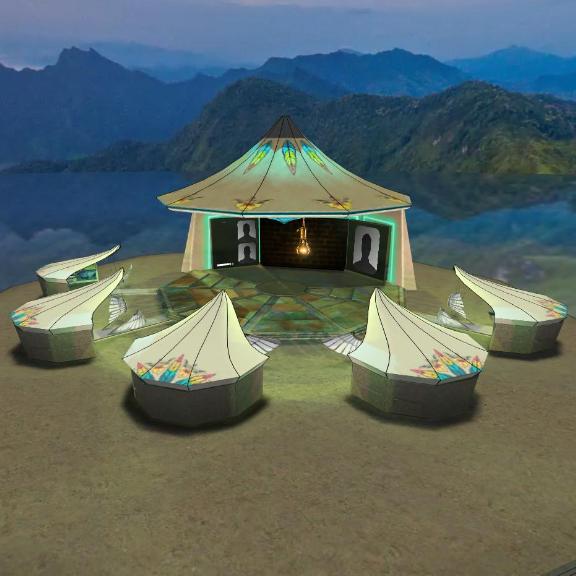
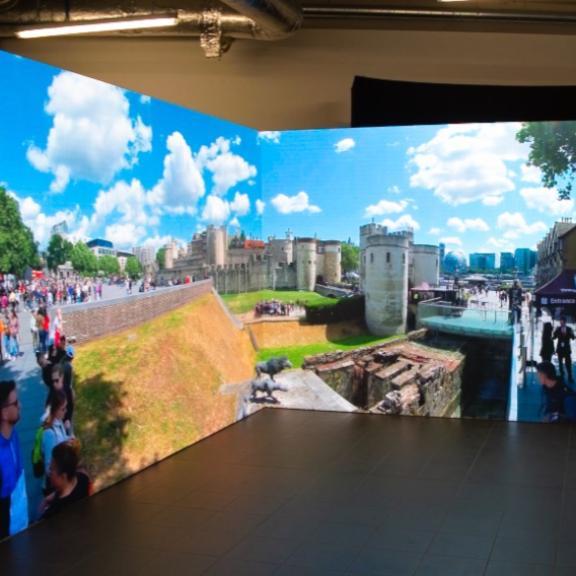
Immersive rooms can simulate natural environments, abstract visualizations, or interactive virtual worlds.
Immersive rooms can be customized to suit specific therapeutic needs.
They promote a more comprehensive relaxation experience compared to traditional methods.
Research suggests that immersive environments can help manage anxiety, improve mood, and enhance cognitive function.
Immersive rooms can track users' movements, enabling a more interactive experience.
Some immersive rooms integrate biofeedback devices to provide real-time data on users' physiological responses.
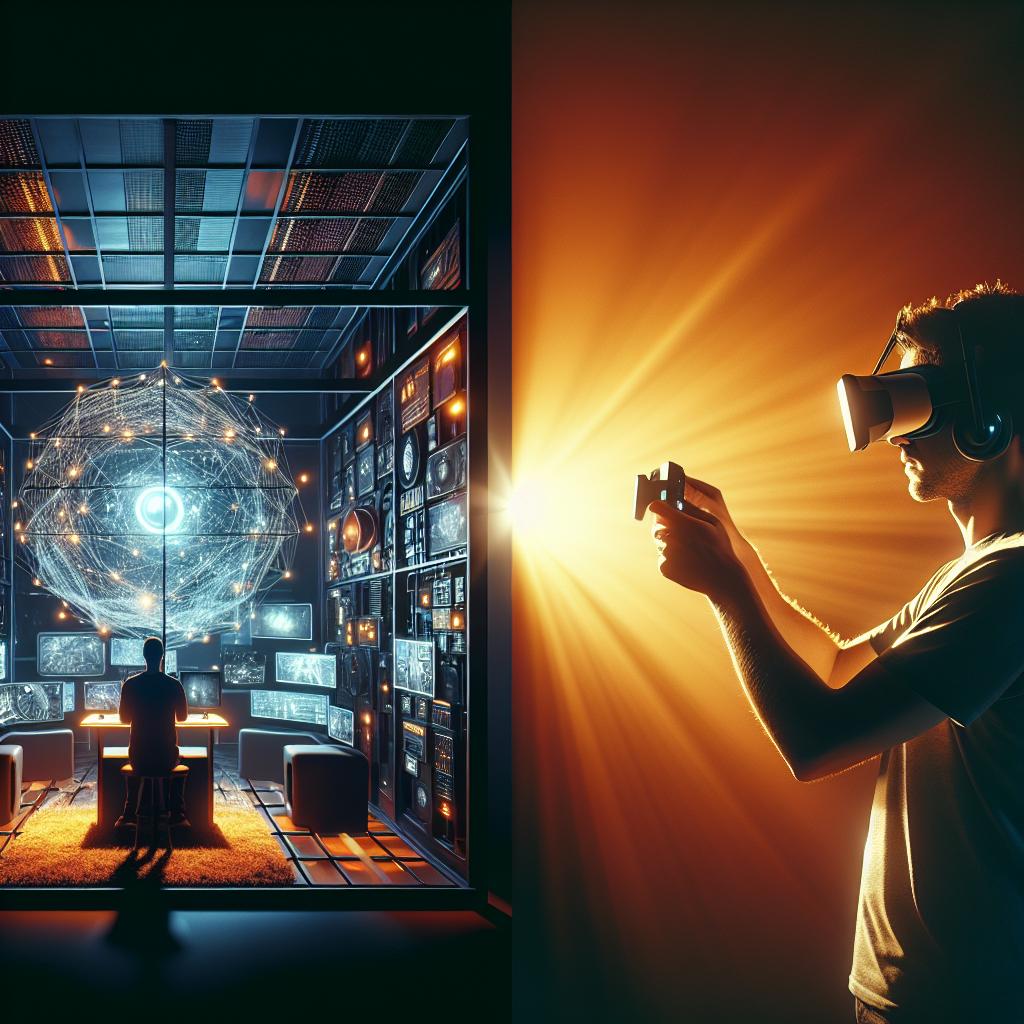
The technology behind immersive rooms is continuously evolving, with advancements in VR, AR, and AI contributing to more realistic and engaging experiences.
The concept of immersive rooms can be traced back to the 1960s, with the development of early video and audio technologies.
Immersive rooms are often used in conjunction with therapeutic practices like music therapy and art therapy.
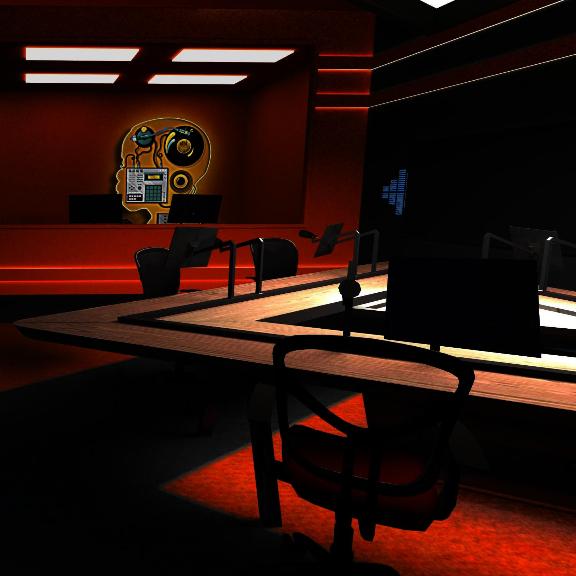
The application of immersive rooms extends beyond personal well-being, with potential uses in corporate training, rehabilitation, and creative industries.