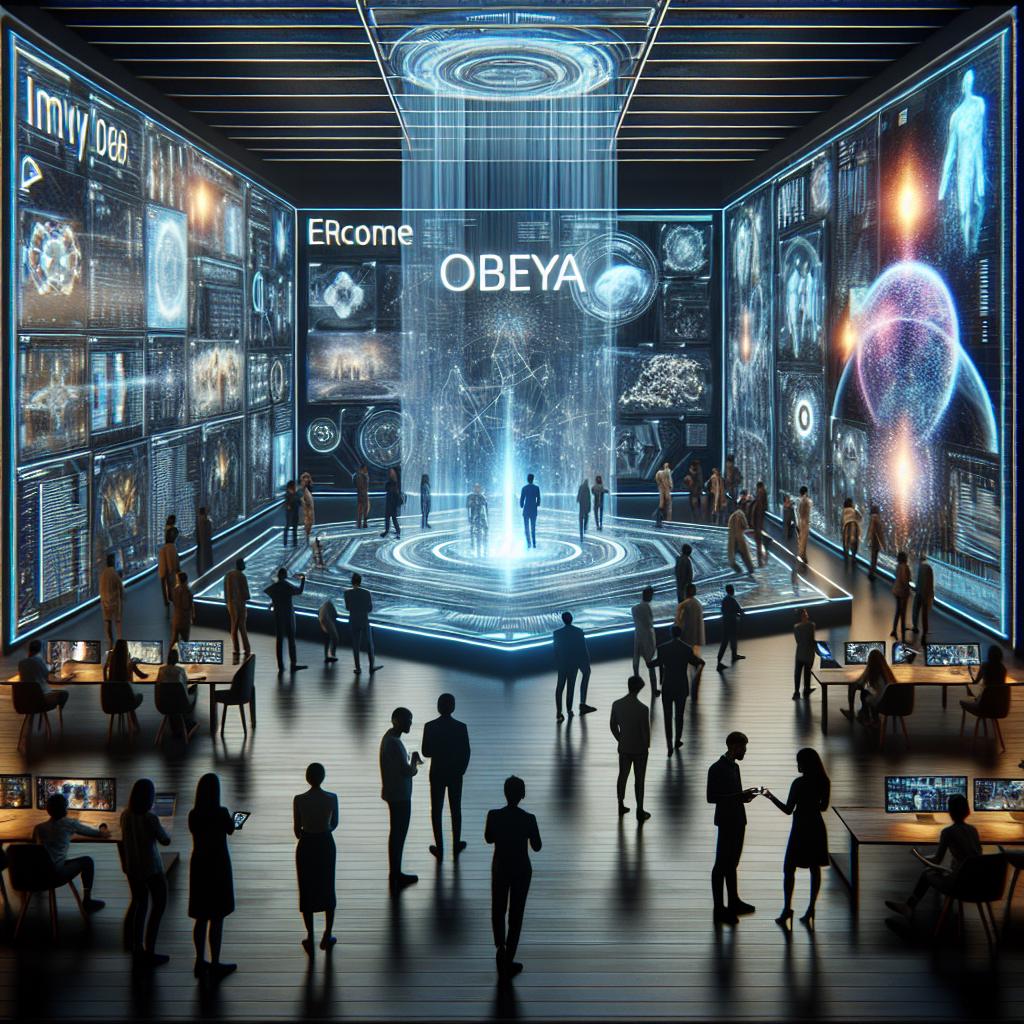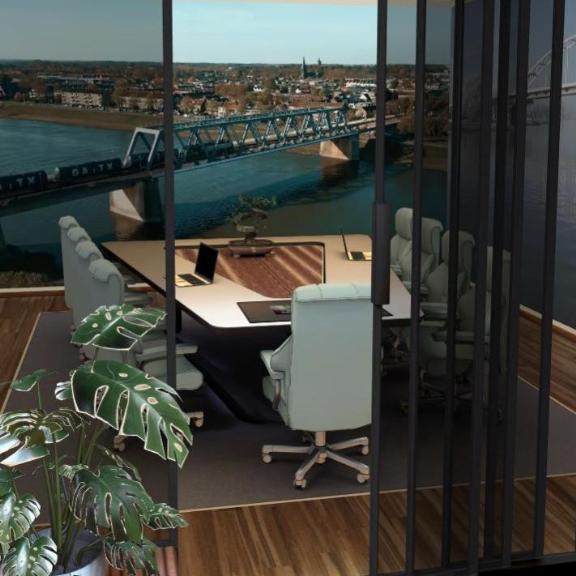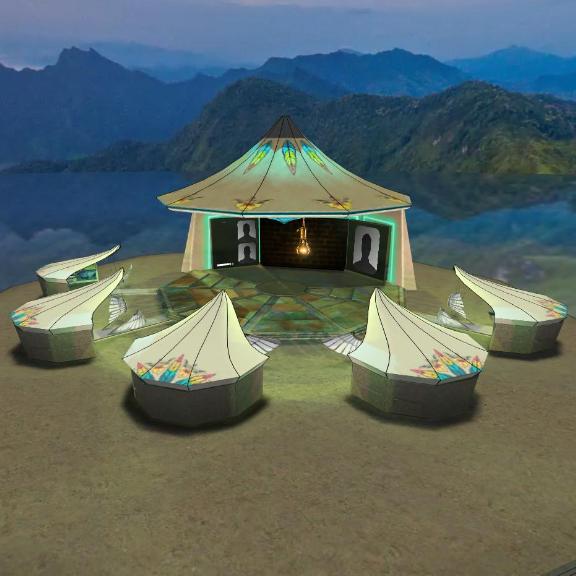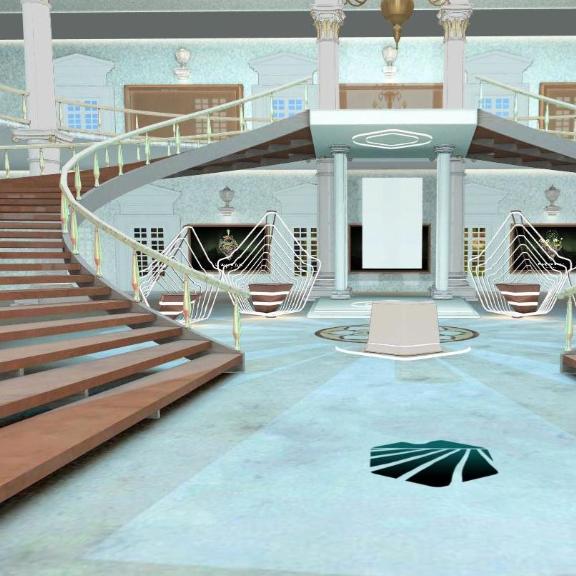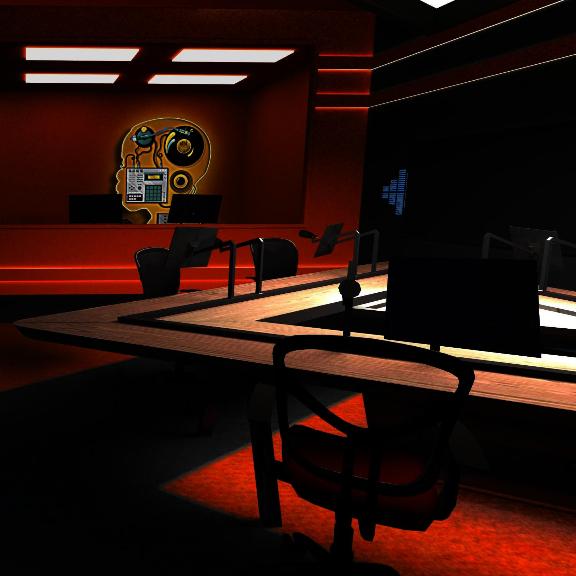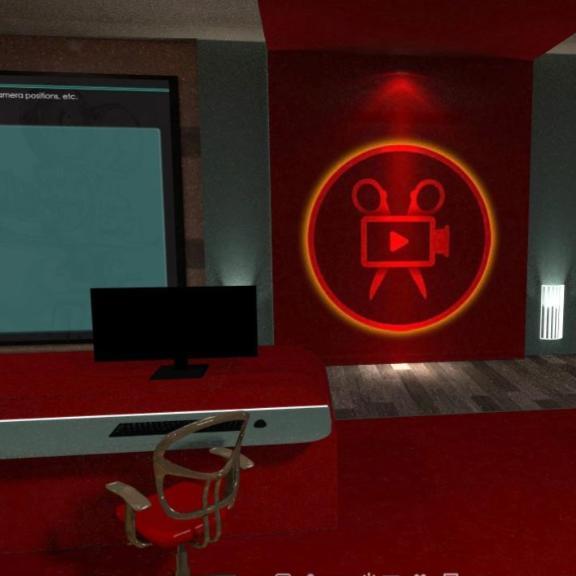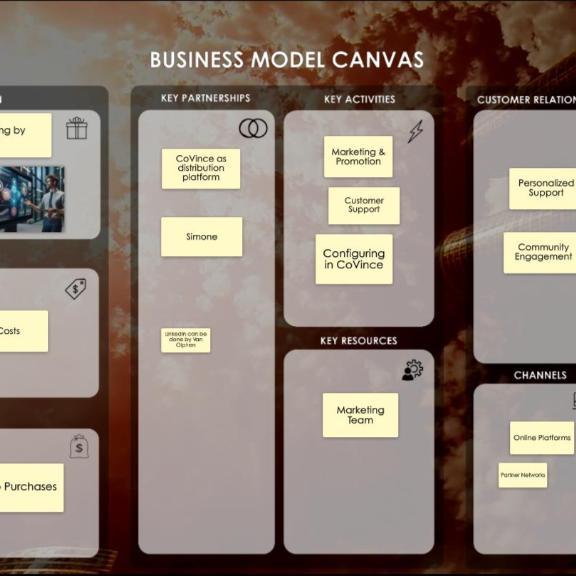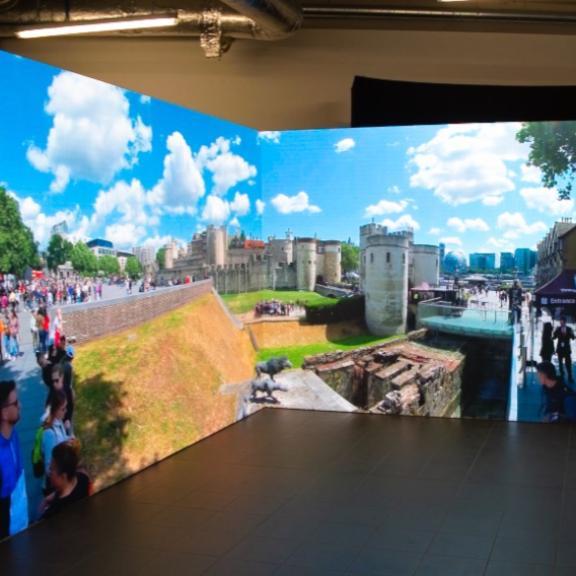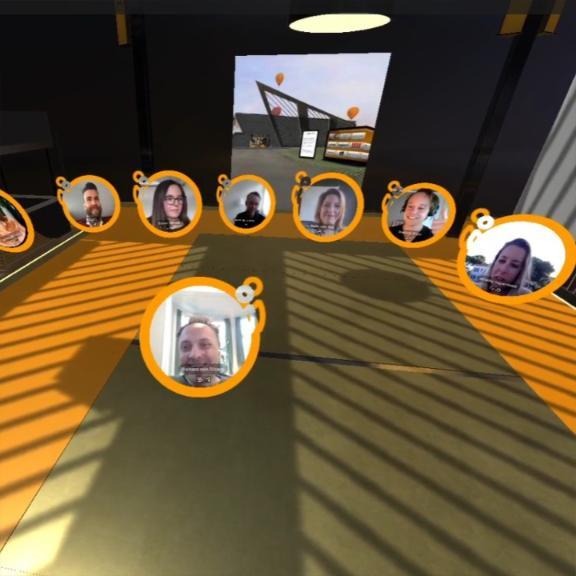
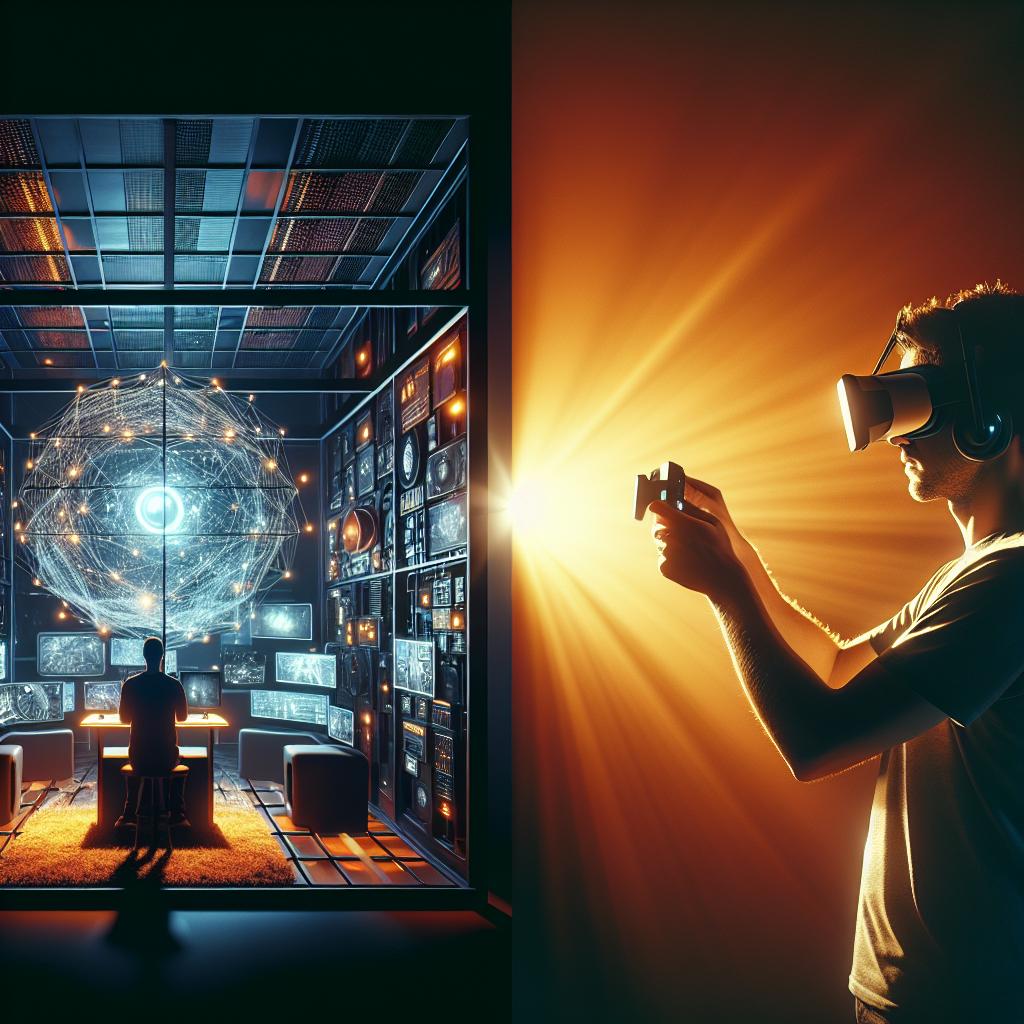
Immersive room software aims to enhance collaboration by creating a virtual environment where users can interact as if they were physically present.- It combines audio, visuals, and interactive elements to create a realistic and engaging experience.- Immersive room software is often used in sectors such as architecture, engineering, design, and education, among others.
Realistic Virtual Environment: The software should offer a visually immersive environment that closely simulates a physical meeting room or workspace.
Spatial Audio: The ability to accurately position and transmit audio to create a realistic sense of presence.
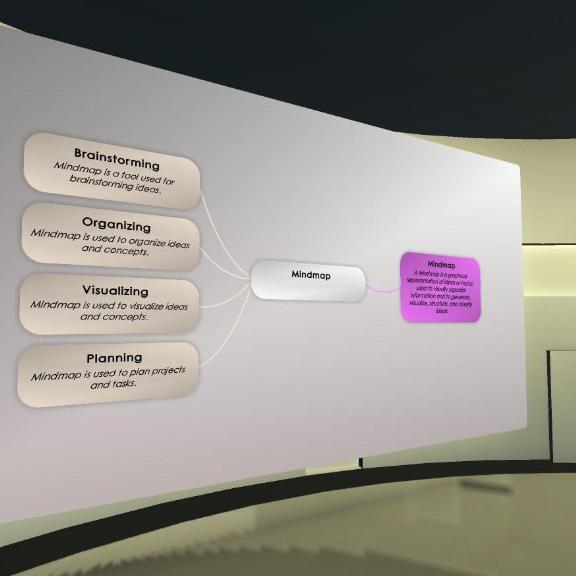
Interactive Tools: Collaboration tools such as whiteboards, document sharing, and real-time annotations enhance interaction and productivity.
Multiple User Support: The software should allow multiple users to join and collaborate simultaneously, fostering teamwork and inclusivity.
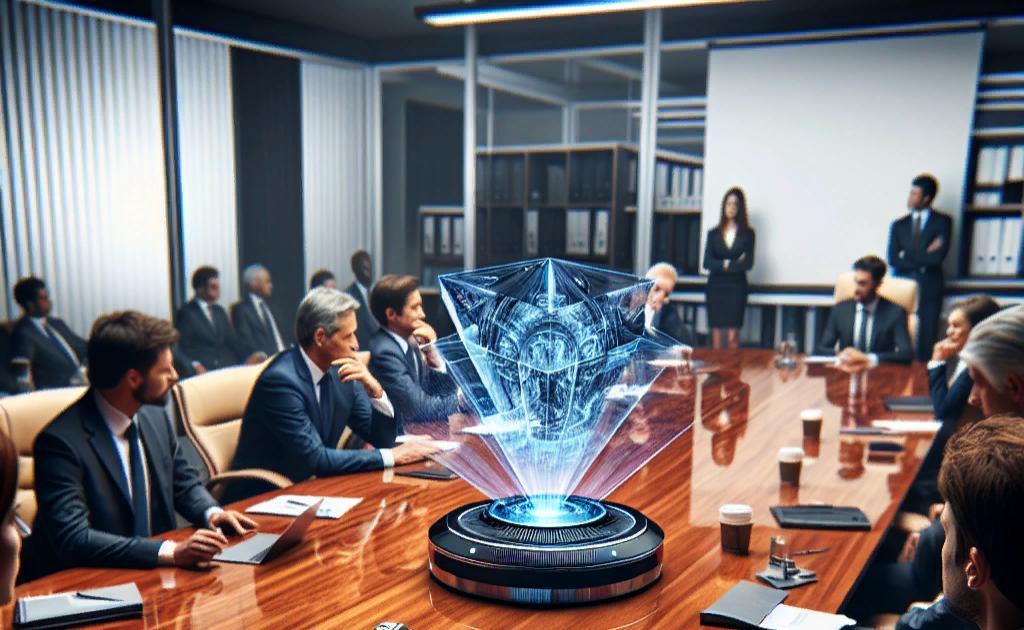
Enhanced Collaboration: Users can collaborate and brainstorm ideas as if they were in the same physical space, leading to more effective teamwork and creativity.
Reduced Travel Costs and Time: Immersive room software enables remote collaboration, eliminating the need for travel and associated expenses.- Increased Productivity: The interactive tools and features of immersive room software streamline collaboration processes and boost productivity.
Global Reach: Immersive room software enables international collaboration, connecting individuals and teams across different locations.
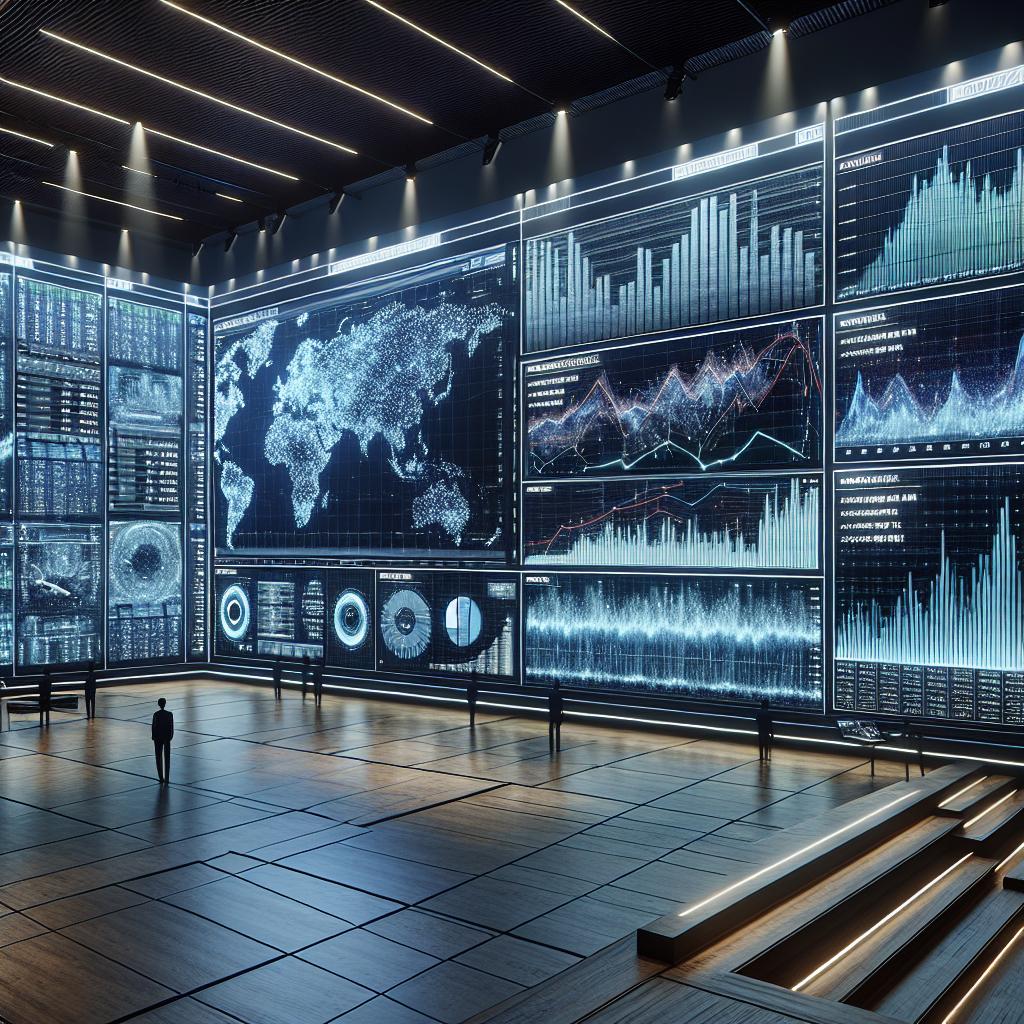
Hardware Setup: Immersive room software requires a specially designed room or space equipped with high-resolution displays, speakers, microphones, and tracking devices.
Software Installation: The immersive room software is installed on the hardware, allowing users to access and utilize the virtual environment.
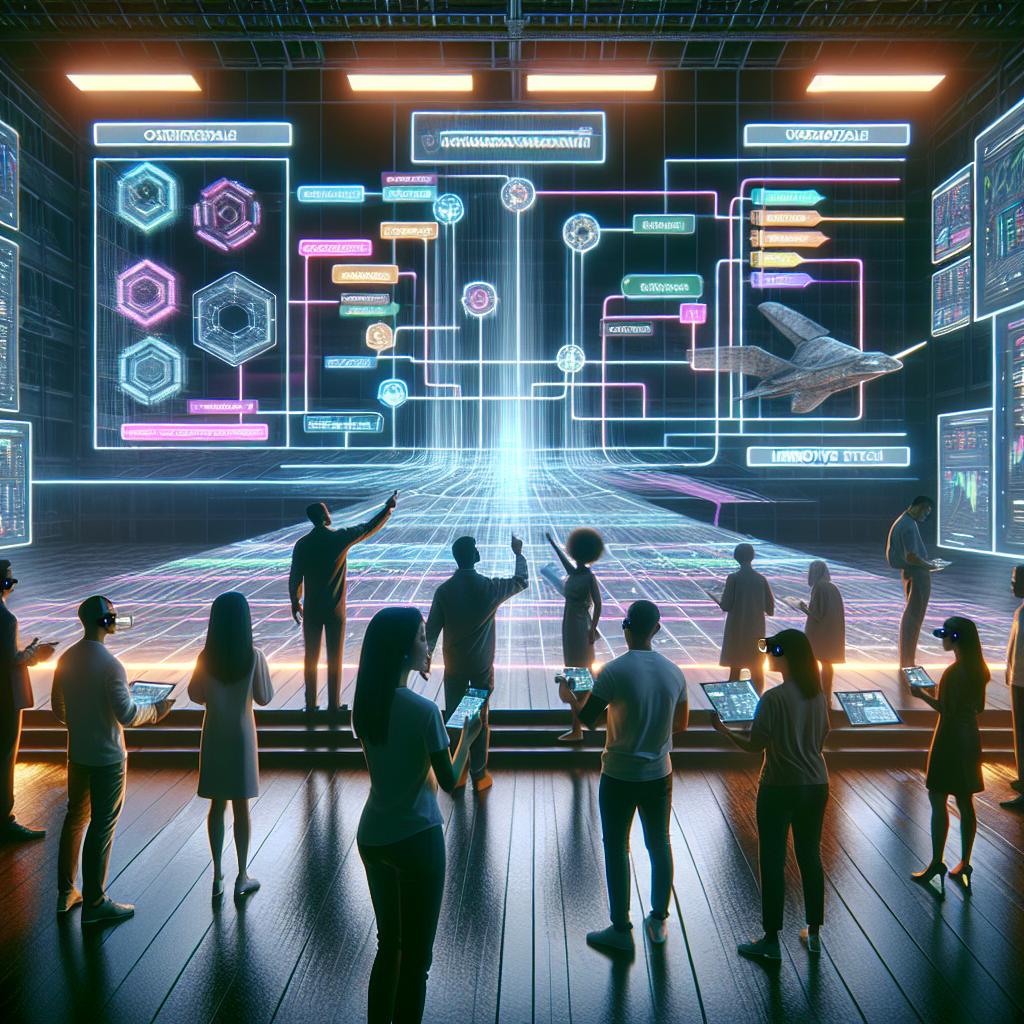
User Interaction: Users enter the virtual space and interact with the environment using their avatars or representations, utilizing interactive tools and features.
Collaboration and Communication: Users can collaborate, communicate, and share resources within the virtual space, engaging in a seamless and immersive collaborative experience.
Immersive room software has applications in fields such as architecture, engineering, design, education, and healthcare, among others.
It enables professionals to collaborate on complex projects, conduct virtual meetings, and provide realistic training experiences.
The integration of virtual reality (VR) and augmented reality (AR) enhances the immersive aspect of the software.
Immersive room software continues to advance, with ongoing research and development aimed at improving collaboration and user experience.