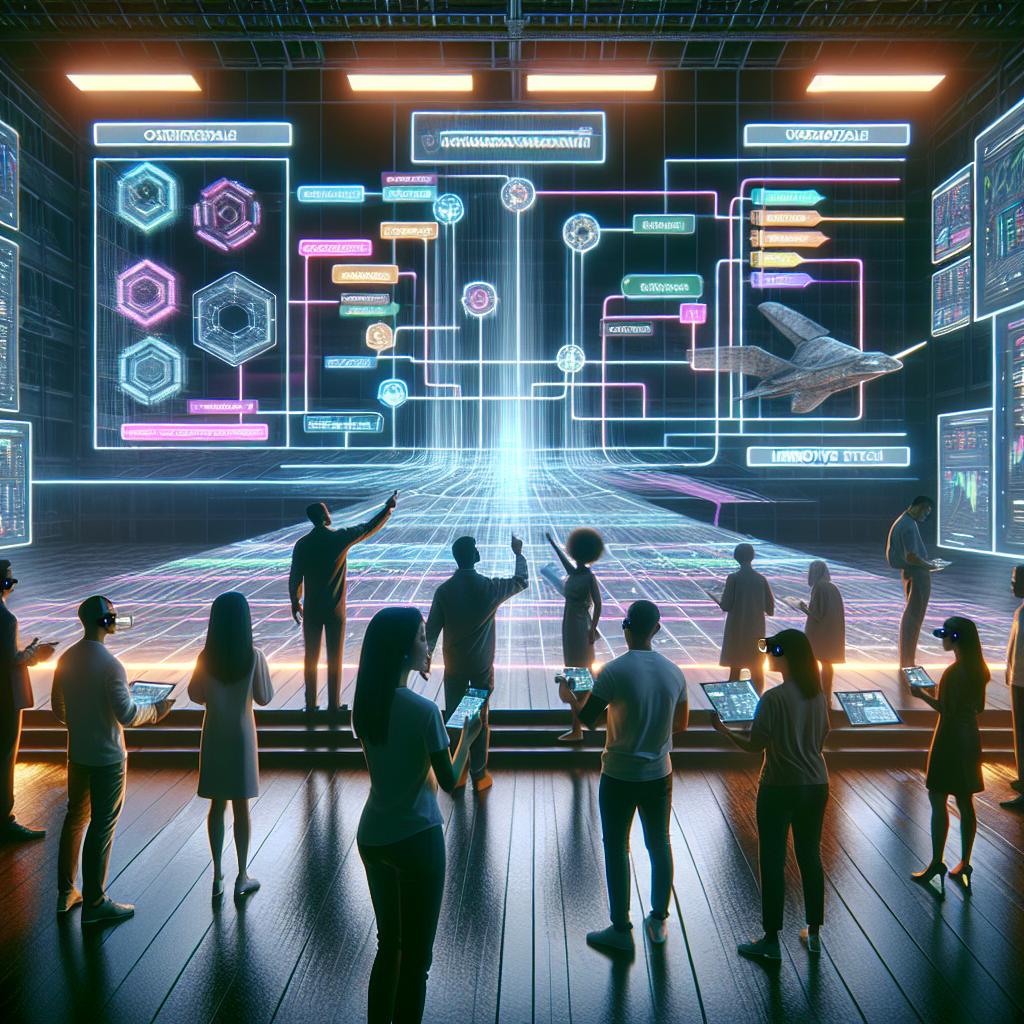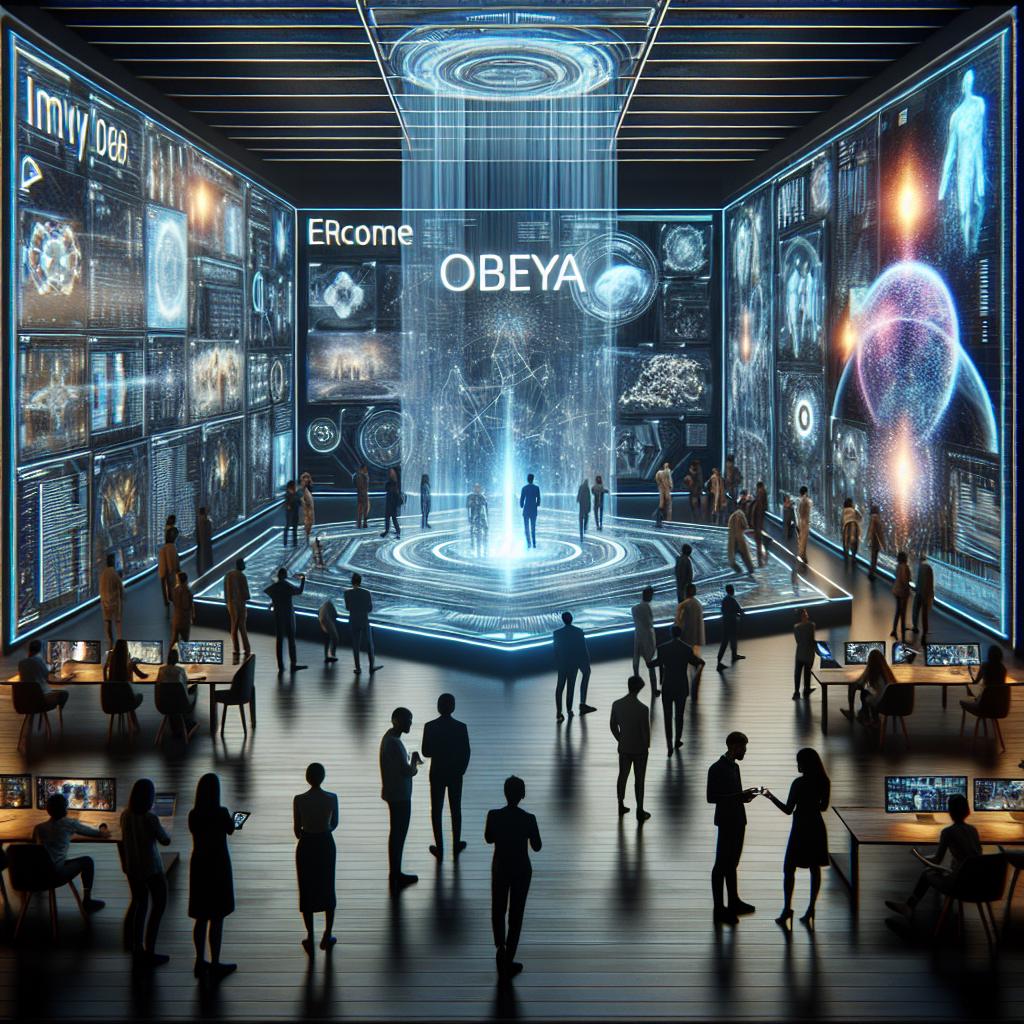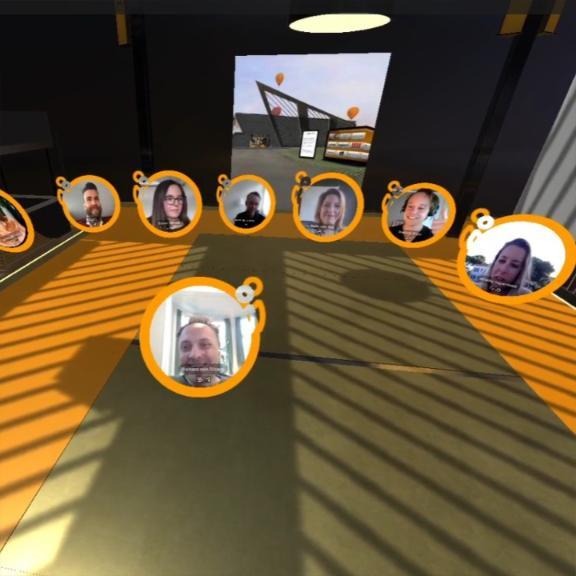
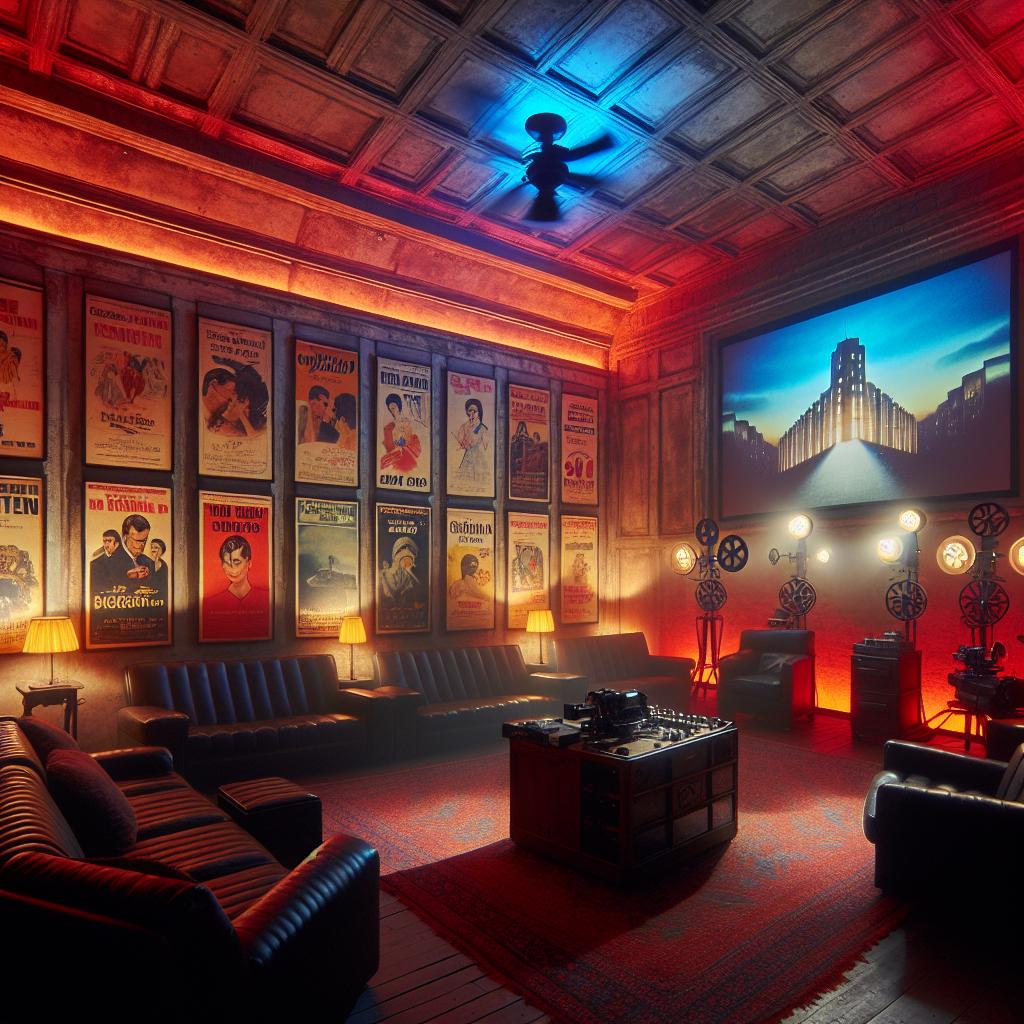
These rooms can accommodate multiple users simultaneously, fostering collaborative experiences and social interactions.
Unlike VR headsets, immersive rooms eliminate the risk of motion sickness or disorientation due to the stationary physical environment.
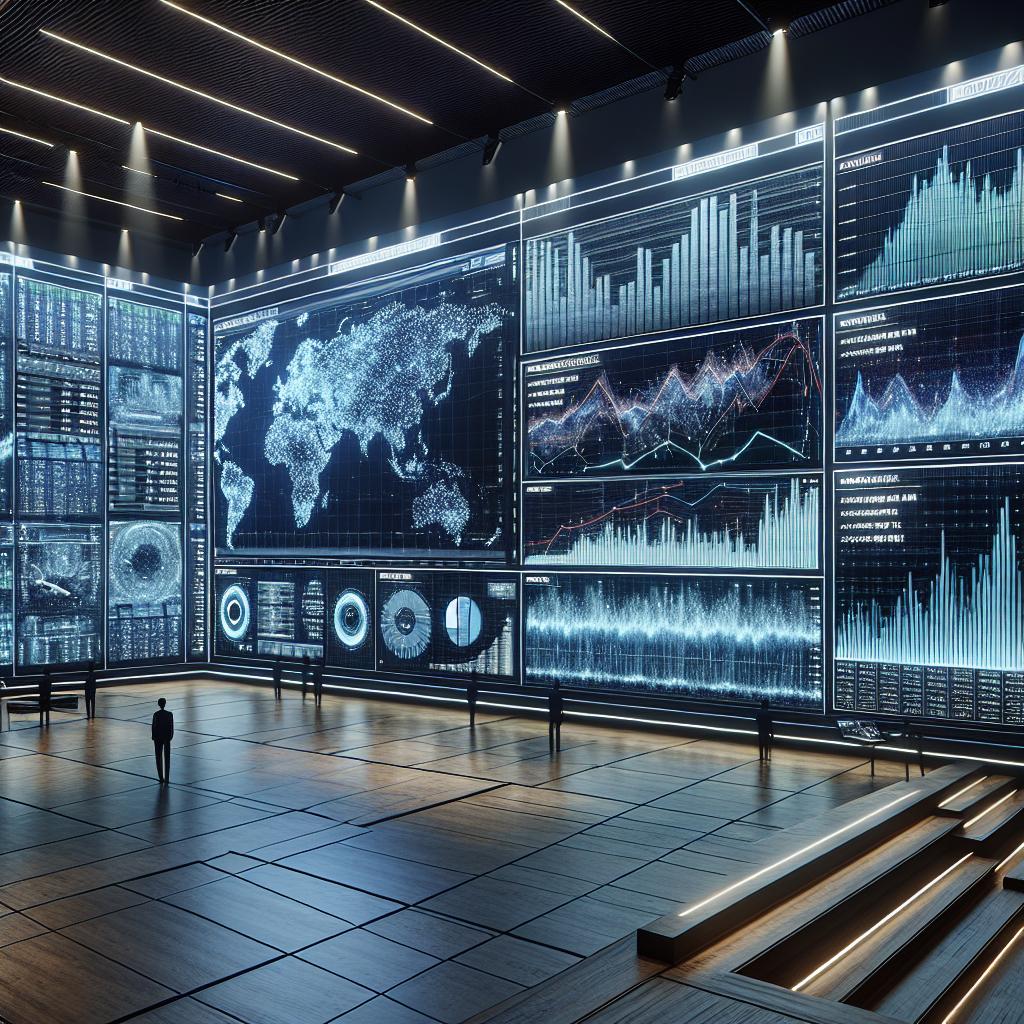
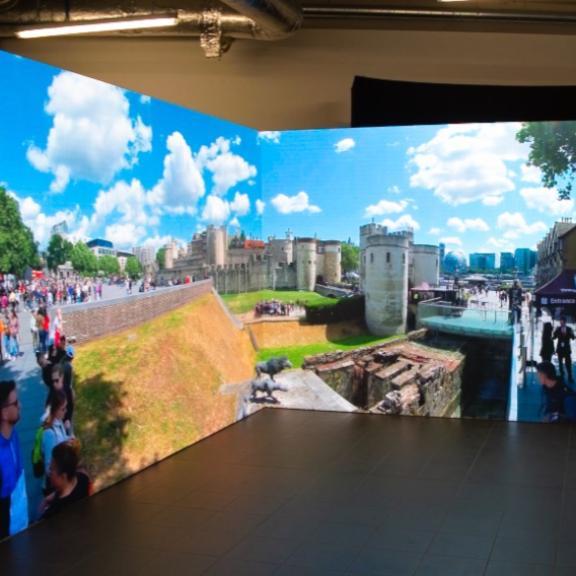
The larger display screens used in immersive rooms provide a more immersive and visually stunning experience.
Immersive rooms can incorporate additional sensory effects like haptic feedback, scent generators, and wind simulators to enhance the overall experience.
Multiple projectors or large displays surround the room, creating a seamless and immersive visual experience from every angle.
Audio systems enhance the virtual environment by providing spatial audio and sound effects that correspond to the user's movements and interactions.
Interactive props or peripherals may be integrated into the room, such as motion platforms or handheld controllers, further enhancing the realism of the experience.
Immersive rooms were initially developed for flight simulators and military training, providing realistic environments for pilot training and combat simulations.
The concept and technology behind immersive rooms gained popularity in the entertainment industry, leading to the creation of VR arcades and gaming experiences.
With advancements in hardware and software, immersive rooms have expanded beyond commercial applications and are now used in fields such as architecture, education, healthcare, and cultural heritage preservation.
While immersive rooms require a larger physical space and investment compared to VR headsets, they provide a unique and enhanced virtual reality experience that is unmatched by individual VR headsets.