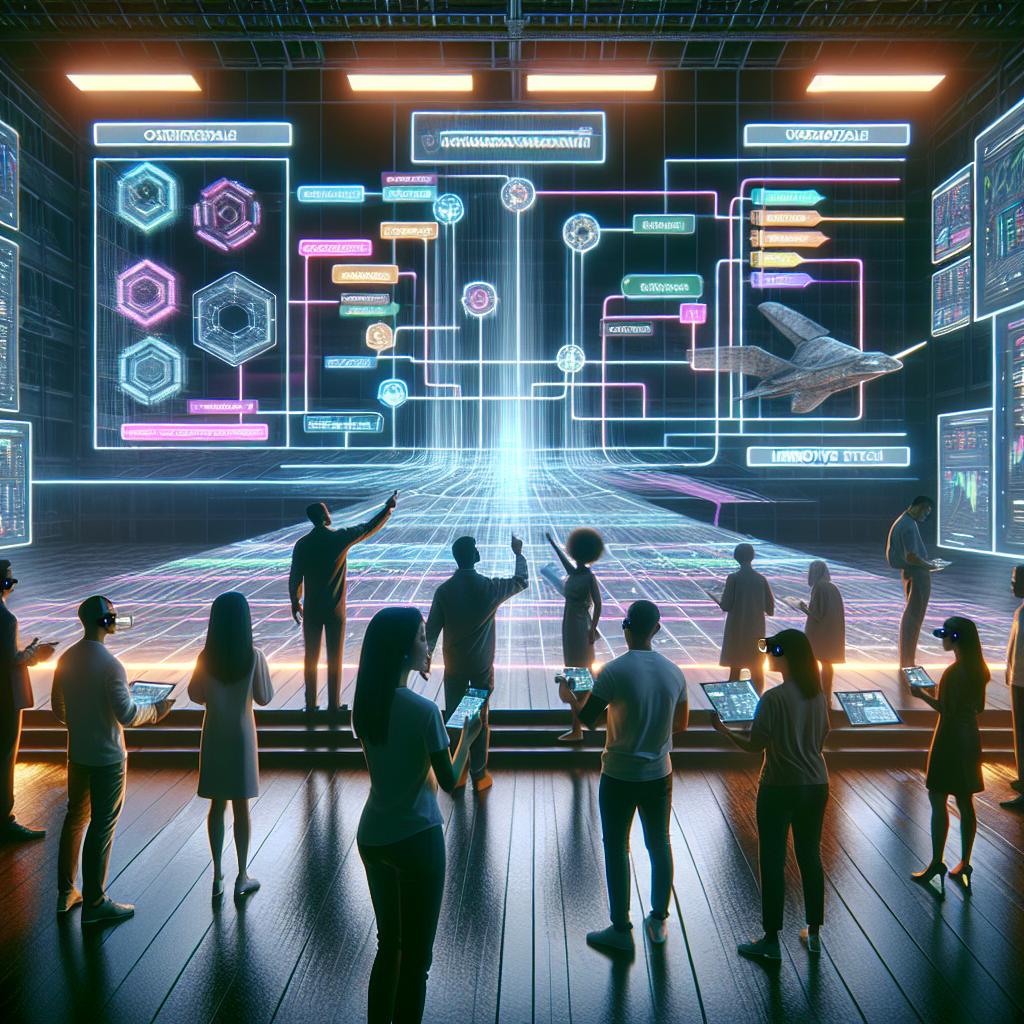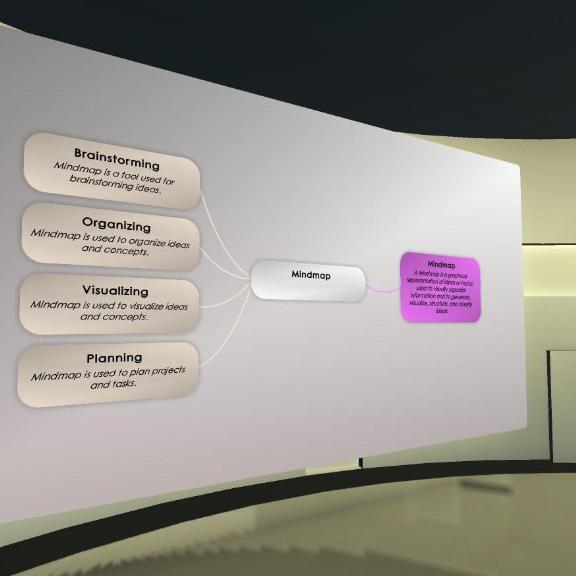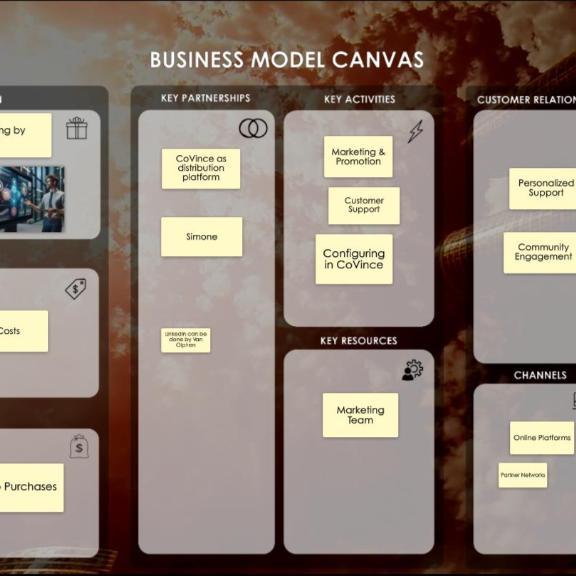
Obeya is a concept inspired by the Japanese Lean manufacturing philosophy, promoting visual management and transparency within organizations.
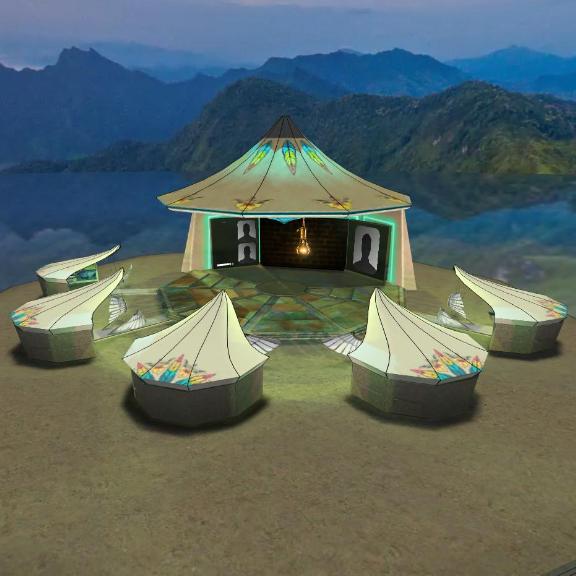
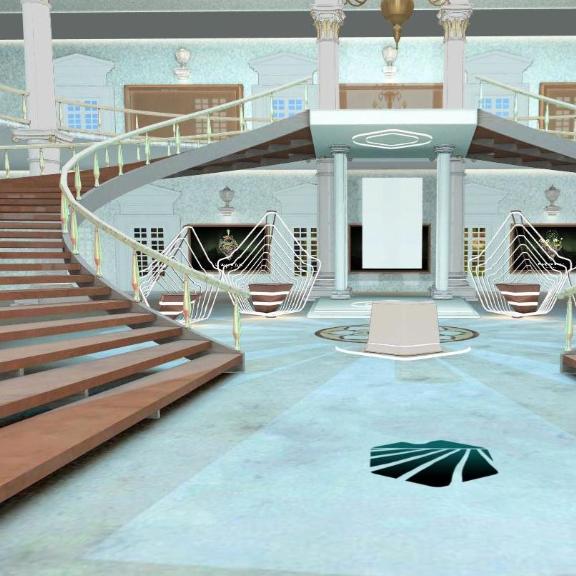
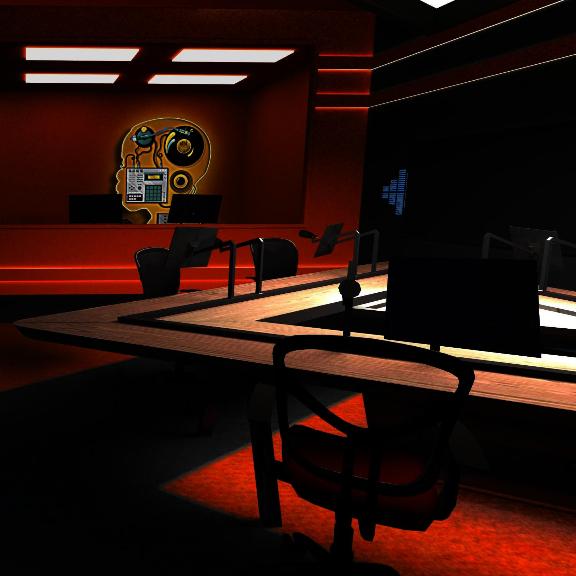
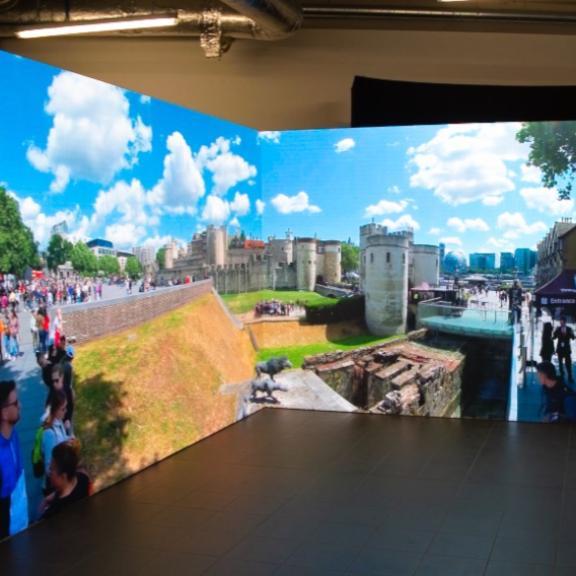
Immersive room technologies refer to the use of virtual reality (VR), augmented reality (AR), and mixed reality (MR) to create realistic and interactive environments.
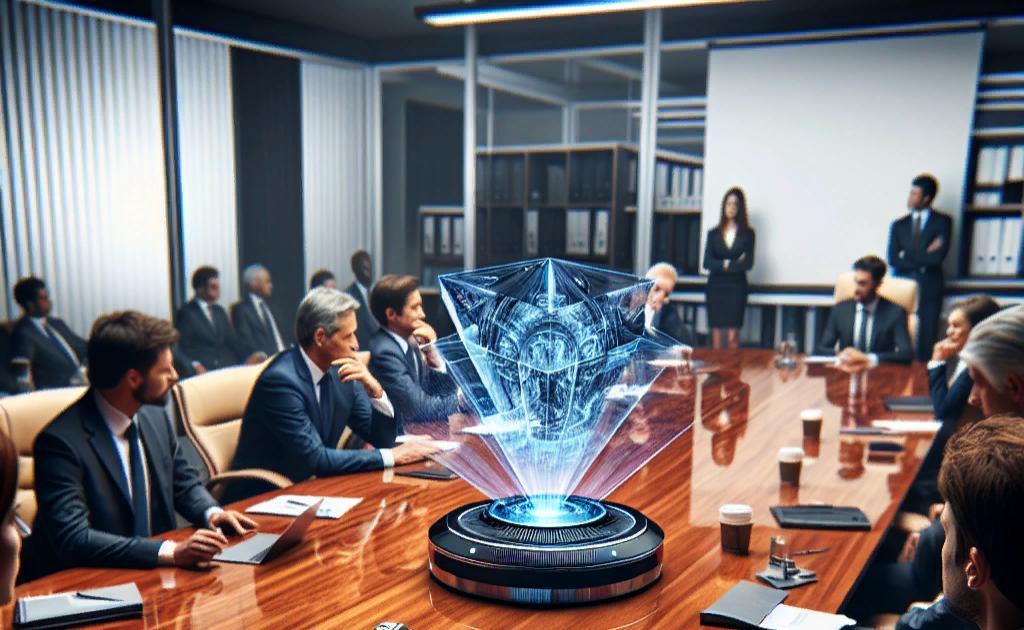
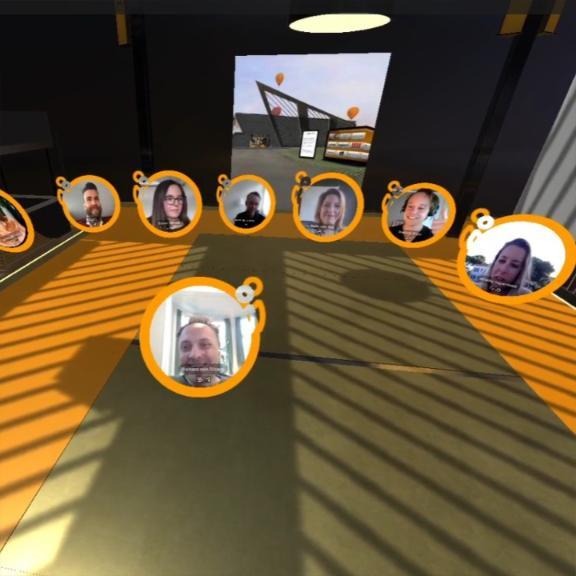
The combination of Obeya and immersive room technologies creates a virtual environment that enhances communication and collaboration among team members.
By incorporating Obeya and immersive room technologies, organizations can overcome geographical limitations and create a global collaborative environment.
The use of immersive technologies stimulates multiple senses, enhancing the overall experience and memory retention.
Combining Obeya and immersive room technologies can boost innovation by encouraging out-of-the-box thinking and ideation.
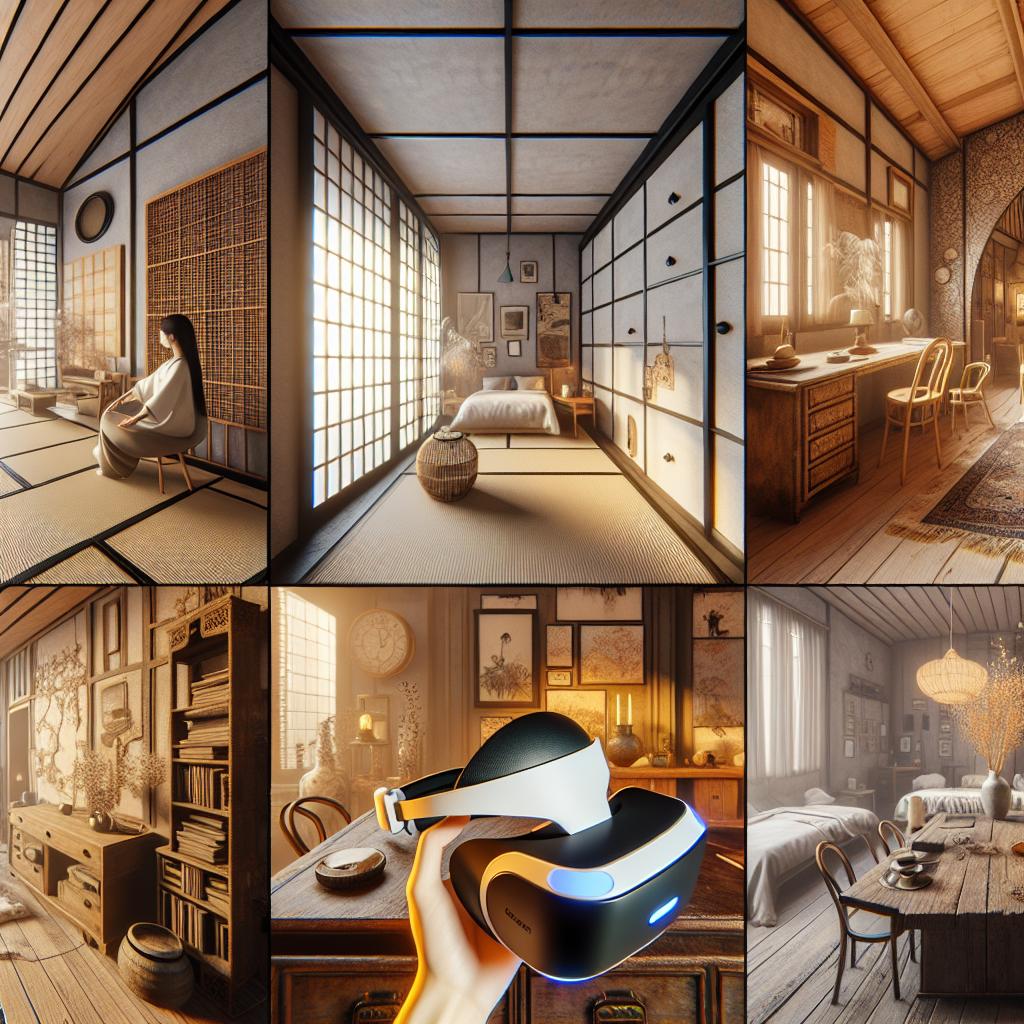
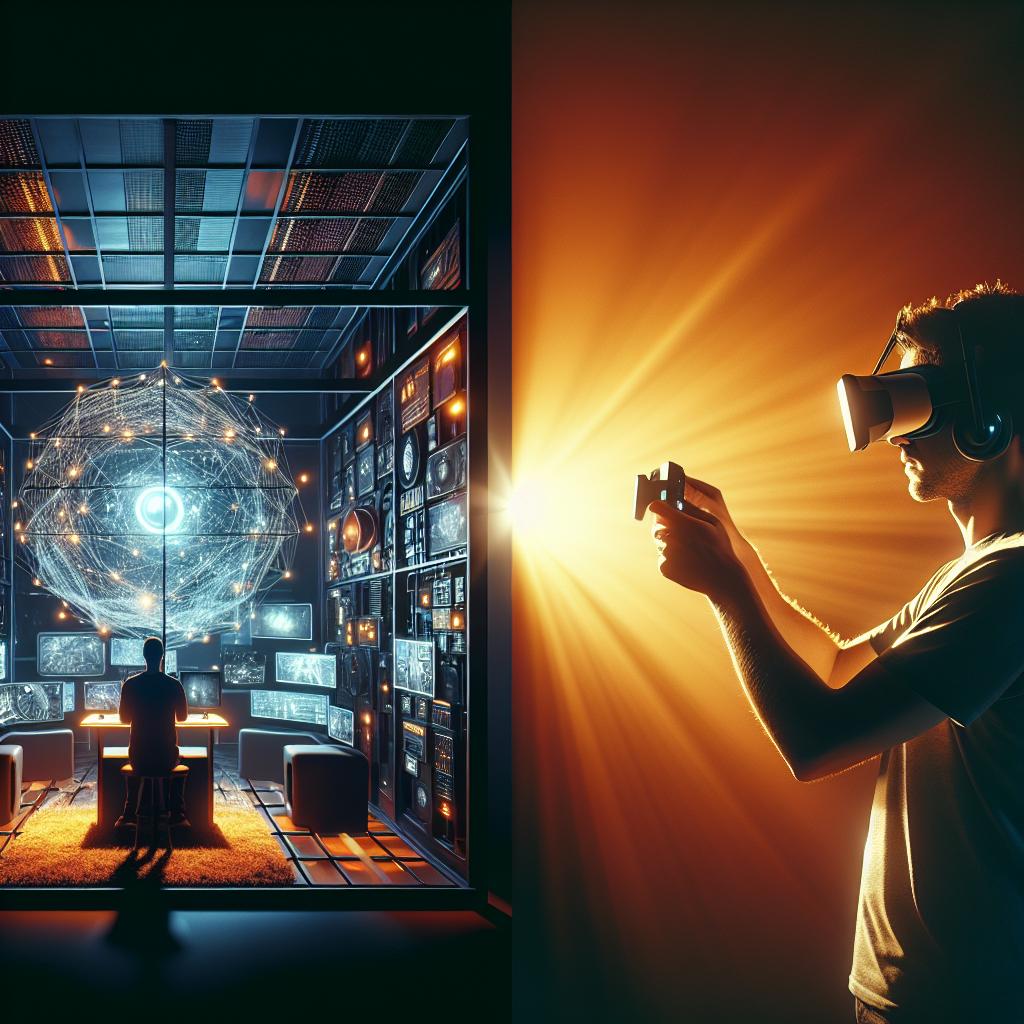
Virtual reality headsets provide a fully immersive experience, while augmented reality devices overlay digital content onto the real world.
The virtual environment can be customized to match the visual aesthetics and layout of an organization's physical Obeya room.
Data visualization and analytics capabilities can be integrated into the immersive environment, enabling teams to gain deeper insights and make data-driven decisions.
Obeya was initially developed by Toyota to improve decision-making and problem-solving in their manufacturing processes.
Immersive room technologies have gained traction in industries such as architecture, healthcare, and gaming.
The integration of Obeya and immersive room technologies reflects the ongoing digitization and transformation efforts across industries, aiming to leverage technology for improved collaboration and decision-making.