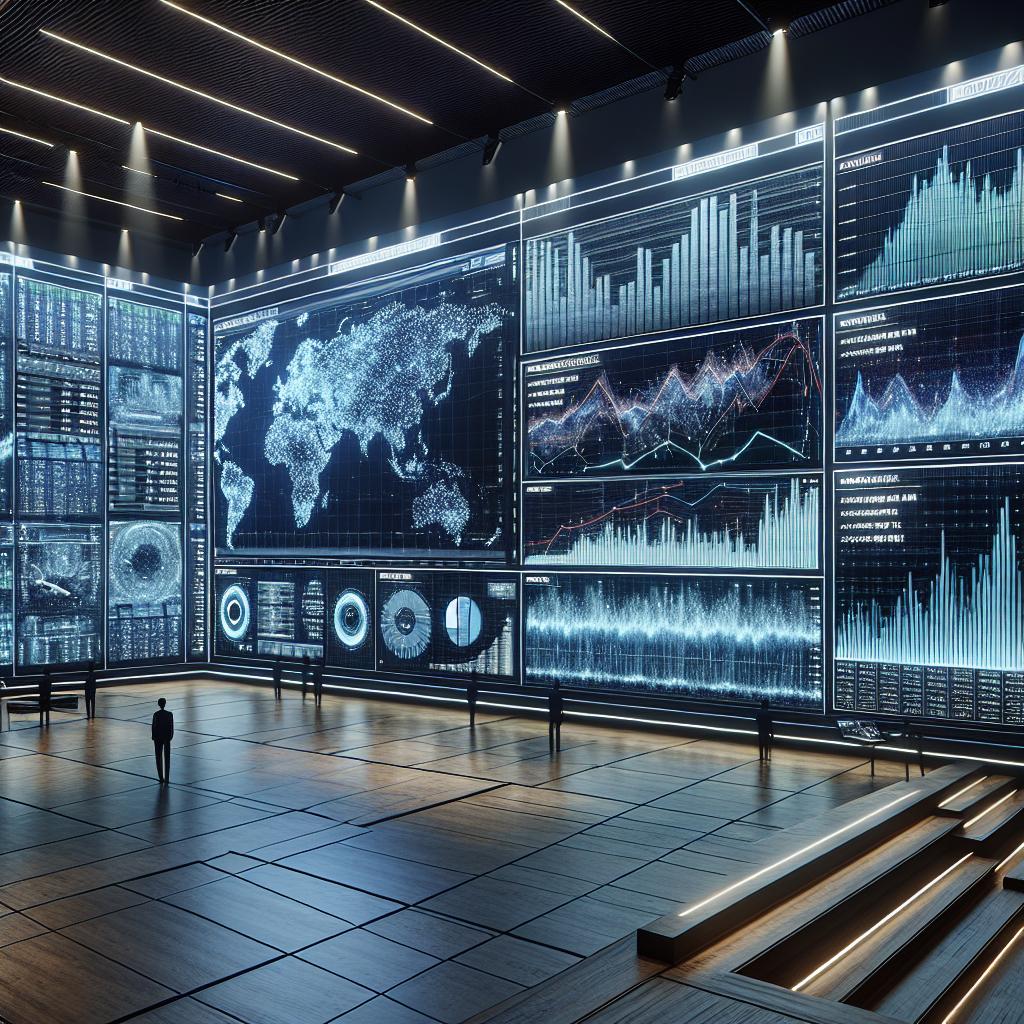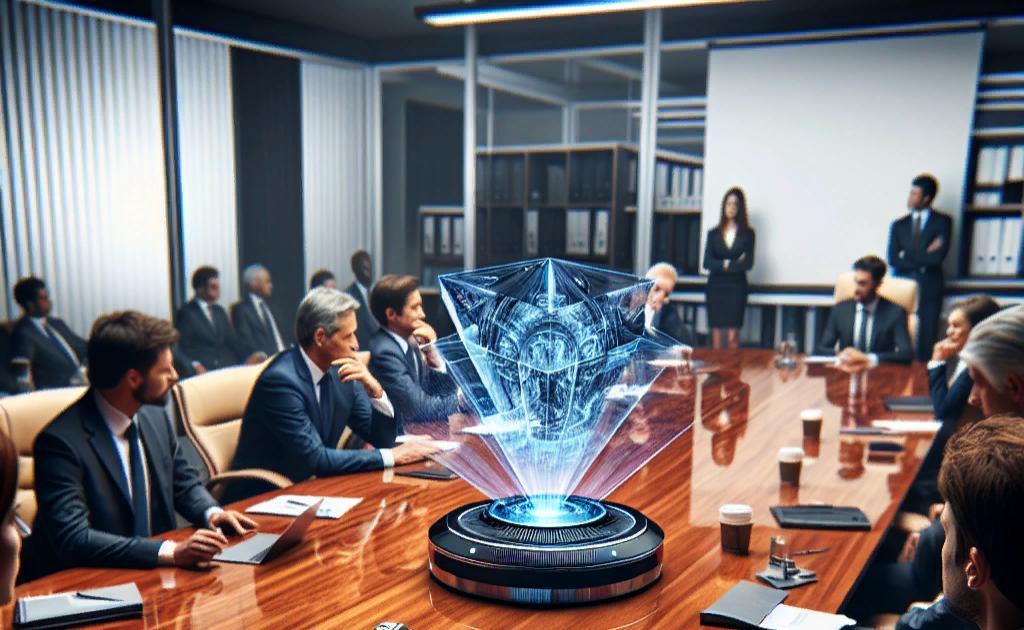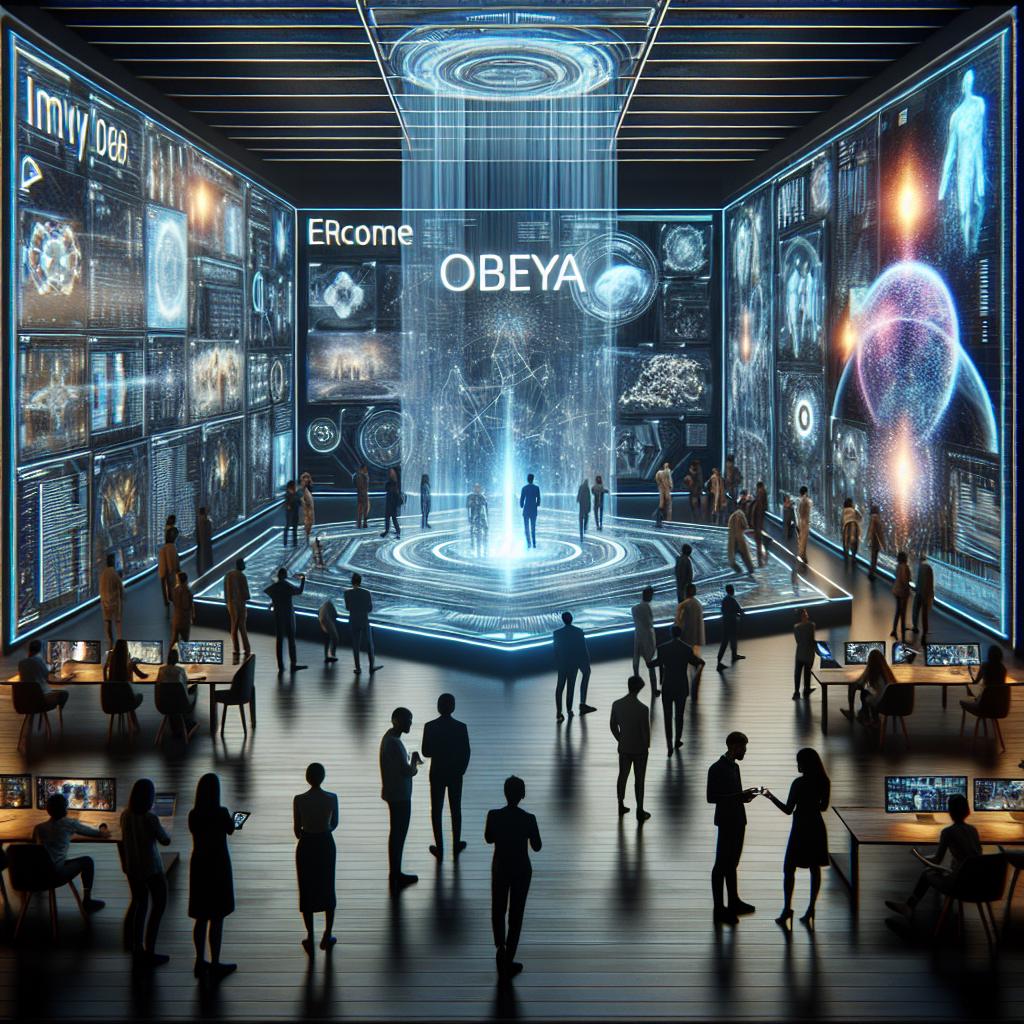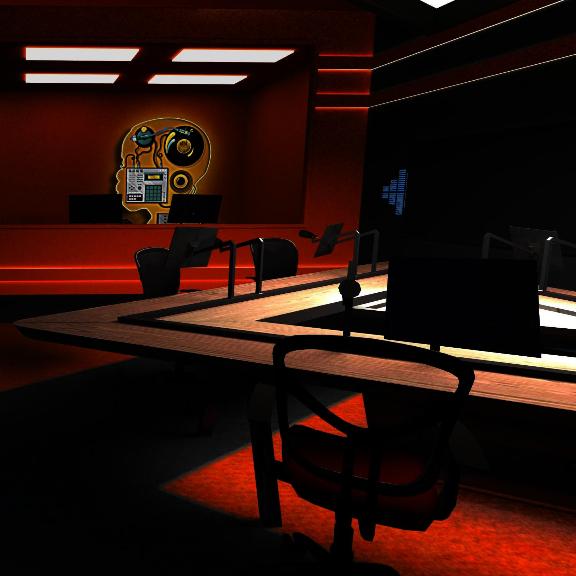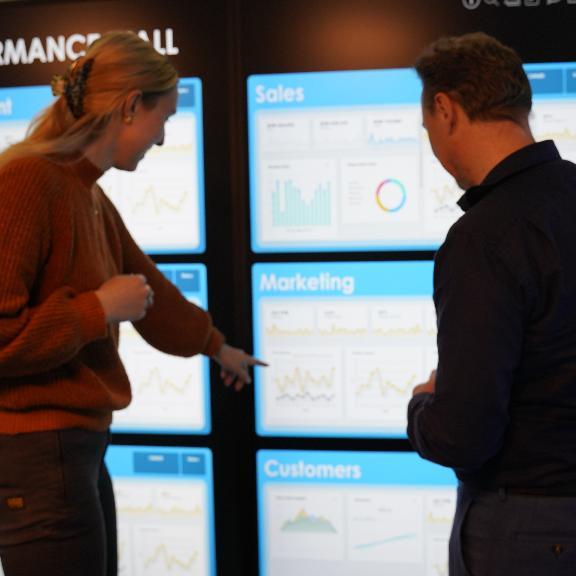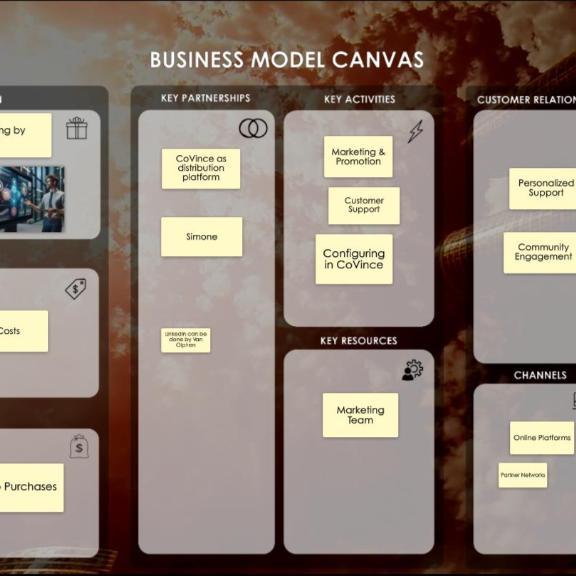
The term 'Obeya' originates from Toyota's lean production system, where it means 'big room'
The Obeya methodology is based on the principles of transparency, collaboration, and continuous improvement
It helps teams break down silos, improve communication, and foster a culture of accountability
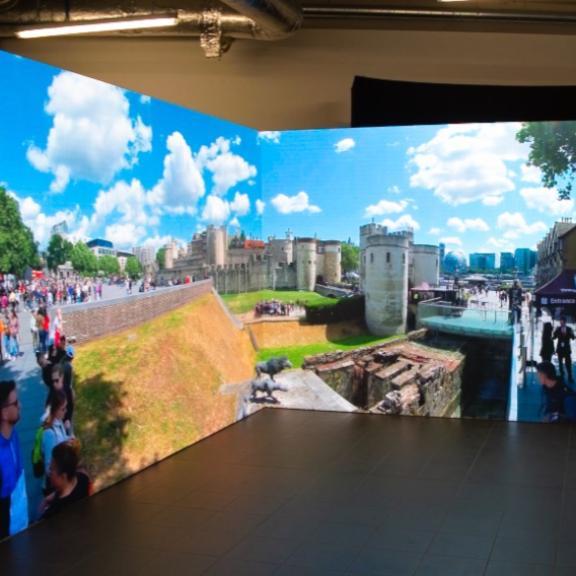
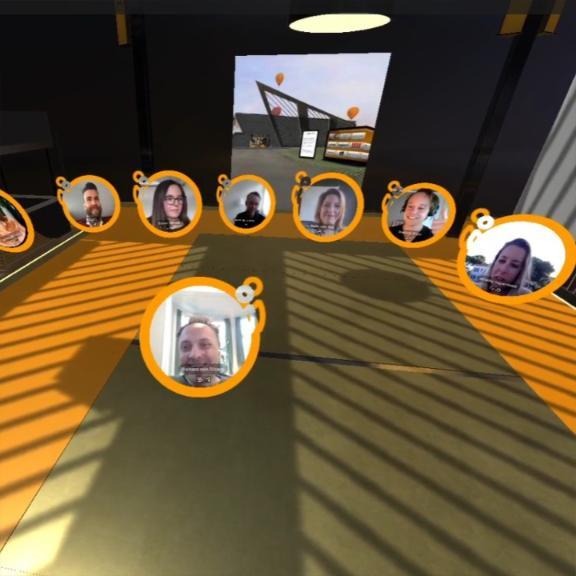
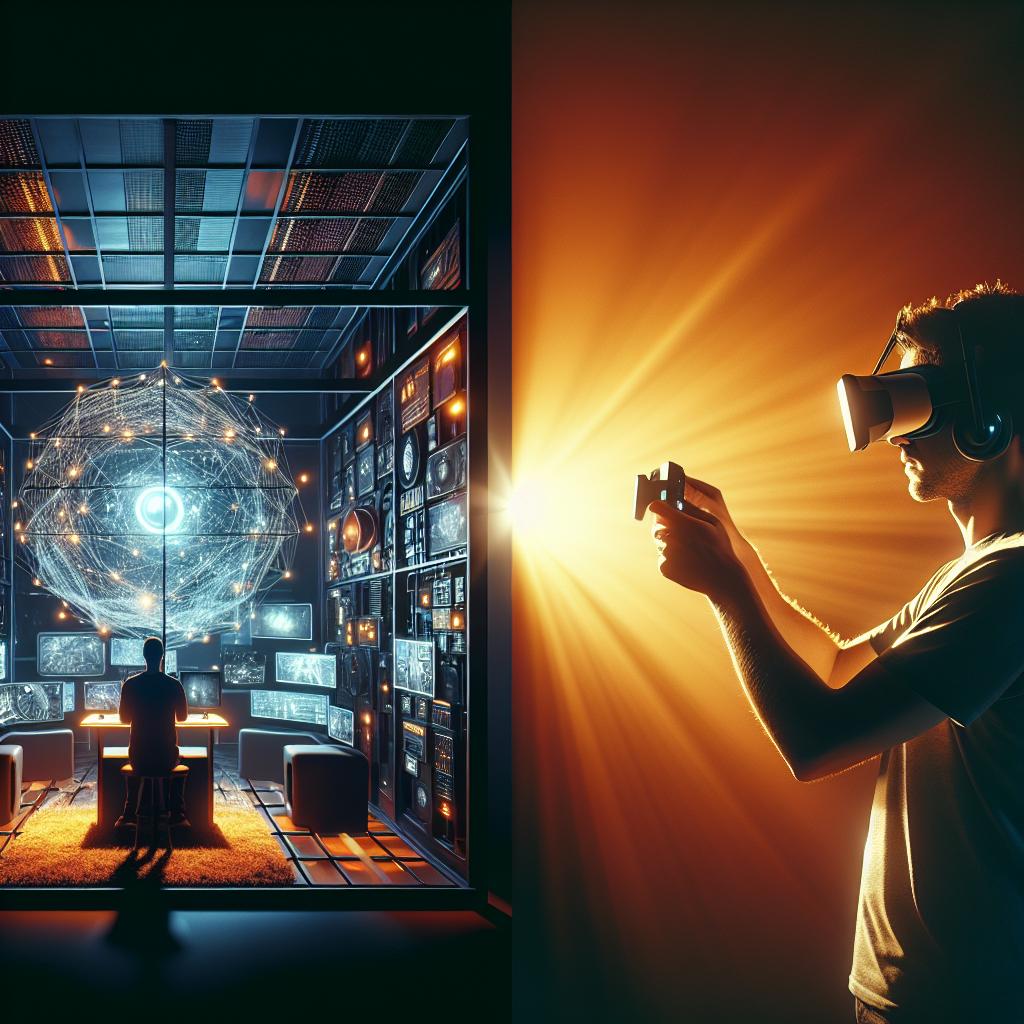
Immersive rooms can be physical spaces or virtual environments
They offer an interactive and immersive experience, allowing users to explore complex data in a more engaging way
Immersive technology can improve understanding, decision-making, and problem-solving processes
Immersive rooms can transform abstract data into meaningful visual representations
They facilitate better communication and understanding among team members
Immersive technology fosters a sense of presence and engagement
Immersive rooms can integrate with other data sources and software tools, such as project management systems or data analytics platforms
The technology used in immersive rooms is continuously evolving, offering new possibilities for data visualization and collaboration
Companies across various industries, from manufacturing to healthcare, are adopting immersive room setups in their Obeya practices.
Immersive rooms can foster creativity and innovation within teams
They can shorten decision-making cycles and improve overall productivity
Immersive technology has the potential to enhance remote collaboration and allow global teams to work seamlessly together