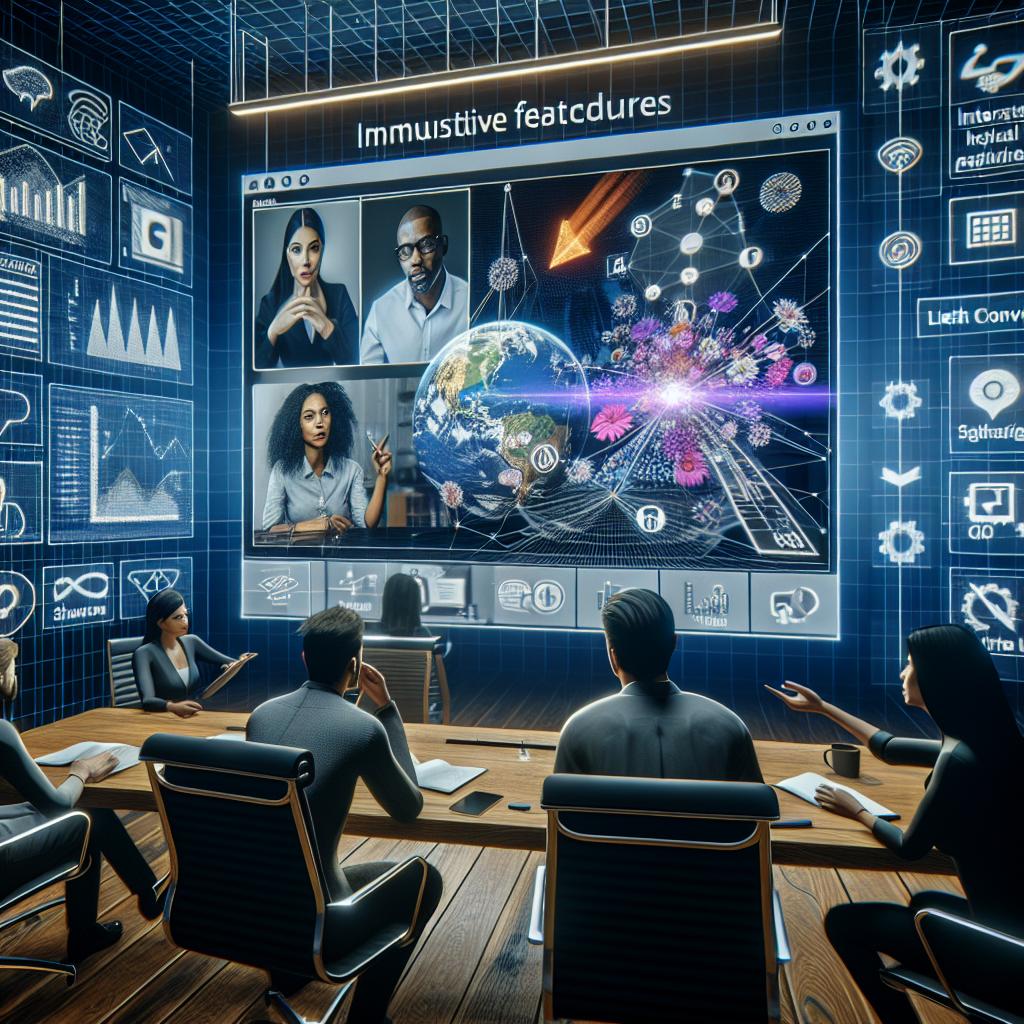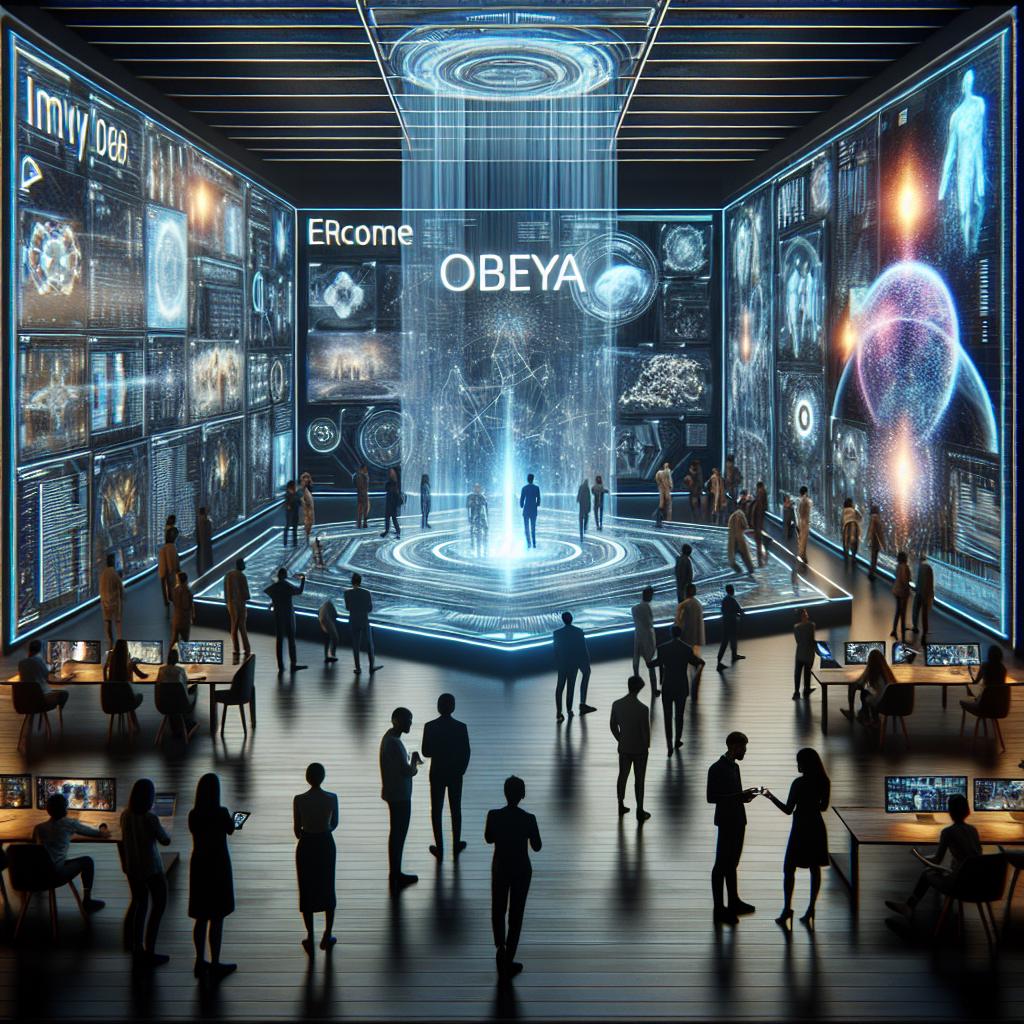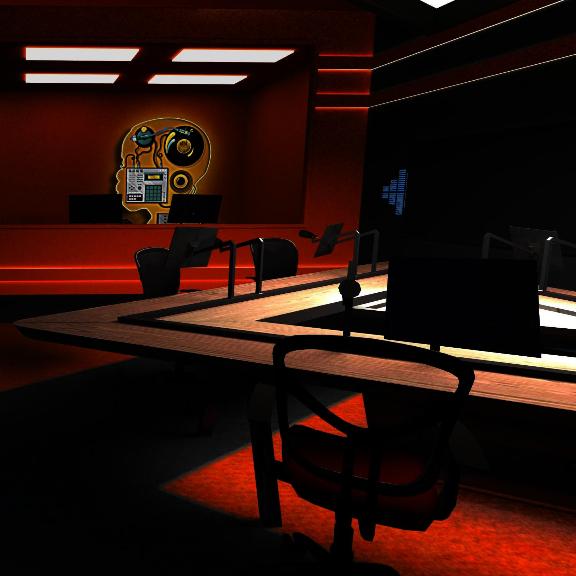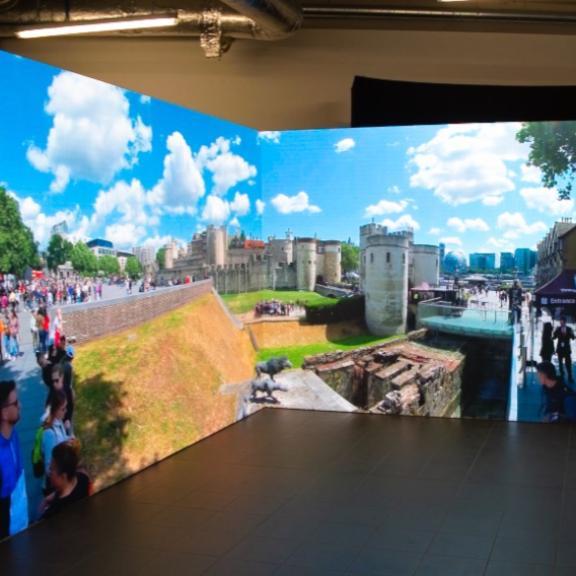
Immersive rooms are also known as virtual reality rooms or collaboration spaces.
The technology used in immersive rooms can include virtual reality headsets, 3D projectors, motion tracking systems, and surround sound.
Immersive rooms can be customized to serve various purposes, such as training, visualization, or team collaboration.
Obeya visual management originated from the Japanese word 'obeya,' which means 'big room.'
The practice is widely used in lean management methodologies to increase transparency and alignment within an organization.
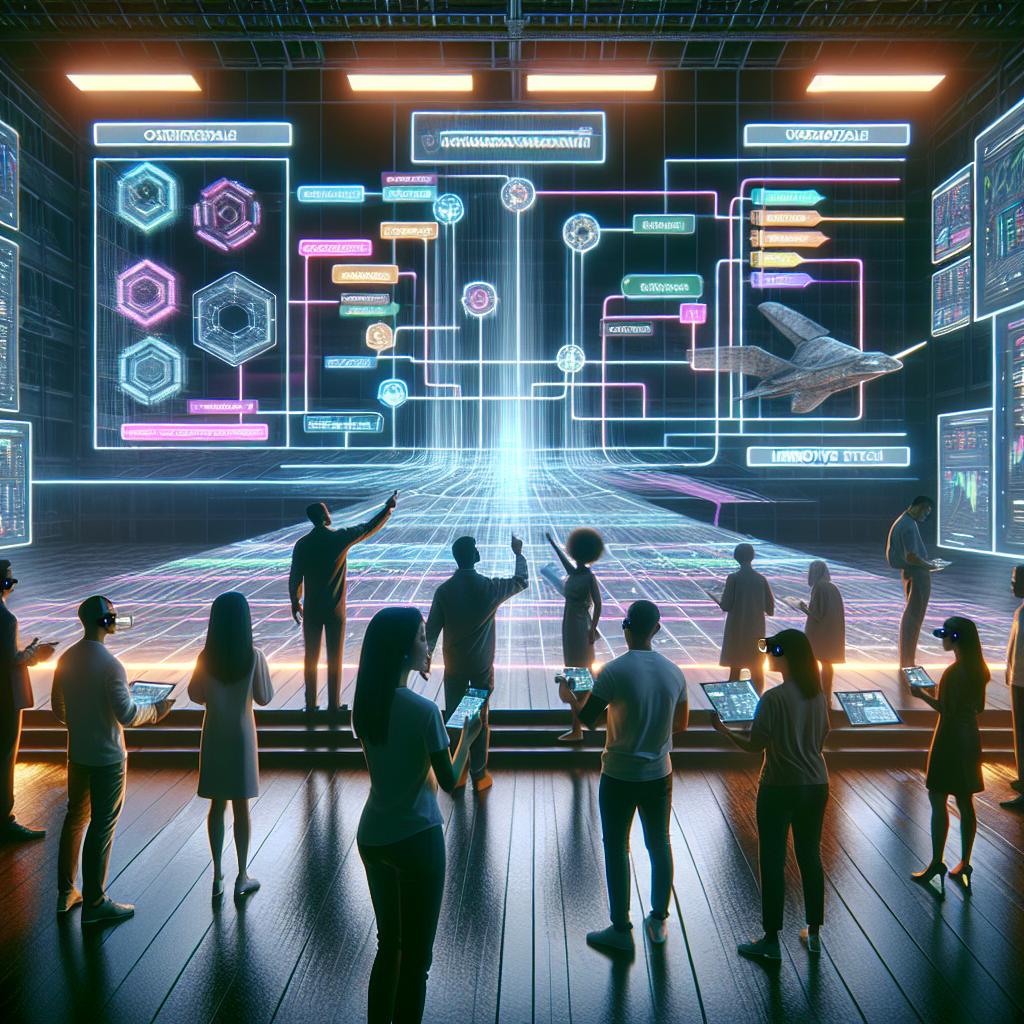
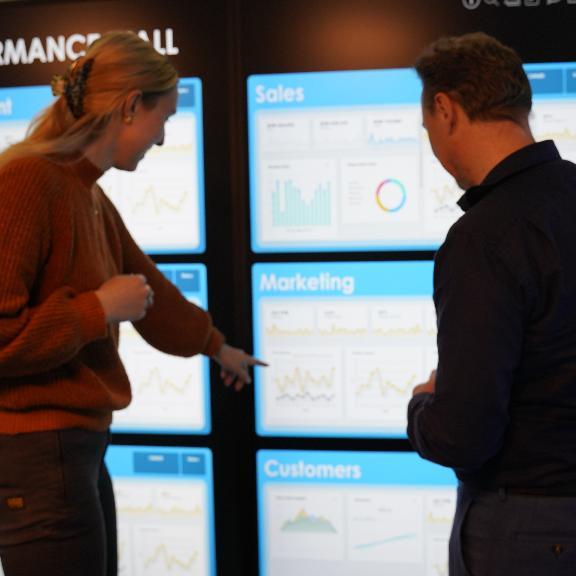
Traditional Obeya visual management typically involves the use of physical boards, charts, and visual aids.
Immersive environments foster enhanced engagement and focus, leading to better collaboration and decision-making.
The immersive nature of these rooms can help individuals or teams feel more connected to the information displayed, improving understanding and retention.
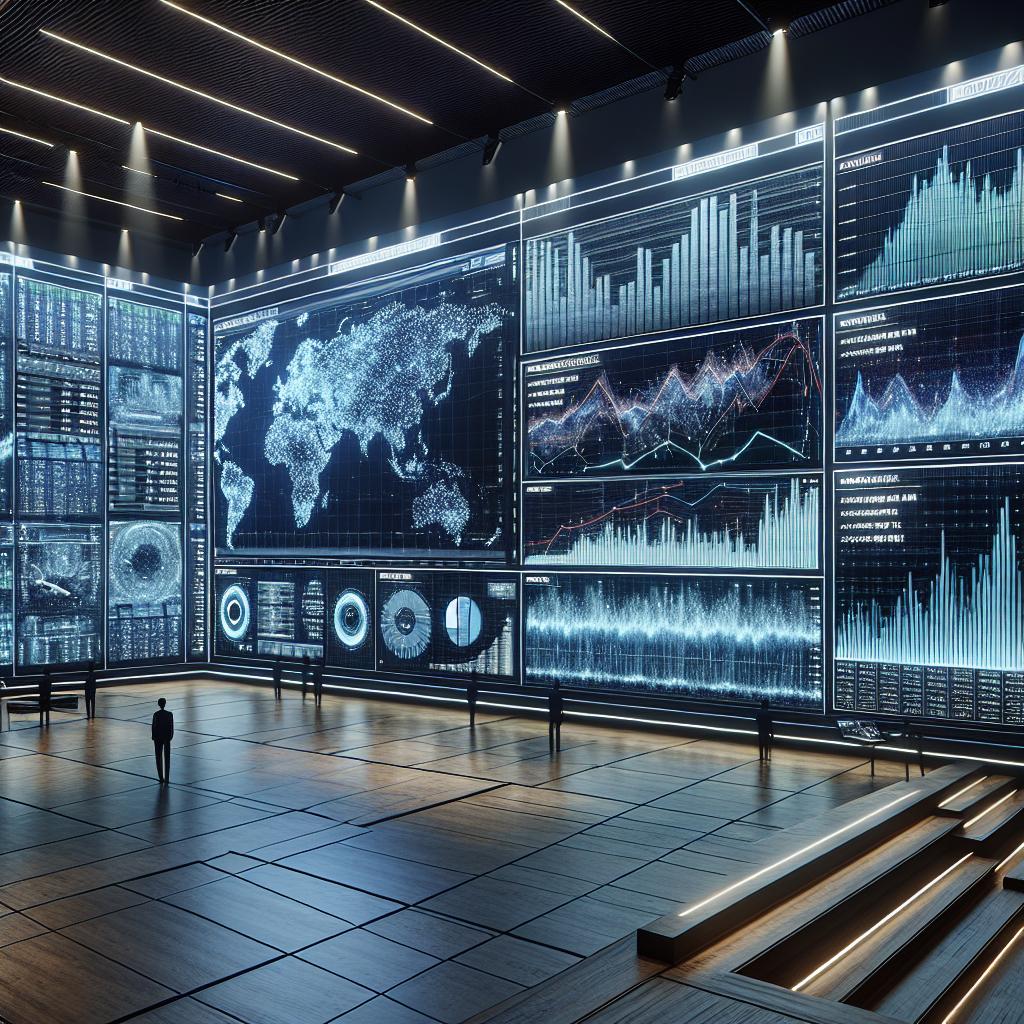
The interactive features of immersive rooms allow for real-time manipulation of visuals, enabling dynamic updates and scenario simulations.
Connecting immersive room technology with relevant data sources, such as project management tools or live data feeds, to ensure real-time information display.
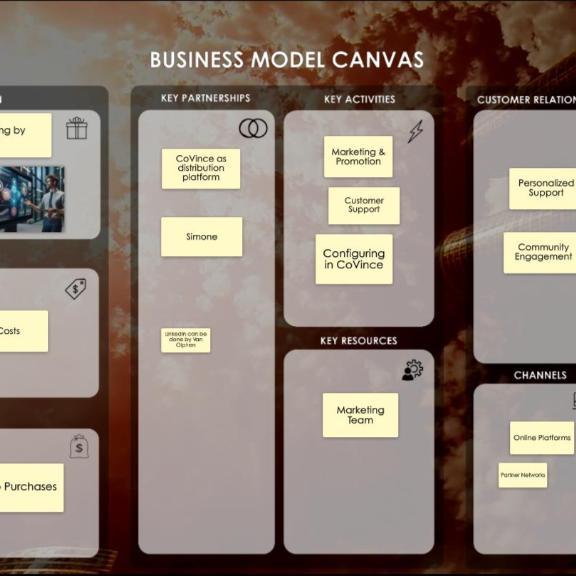
Customizing the immersive room environment to align with the specific needs of the visual management process, including the layout and arrangement of visuals.
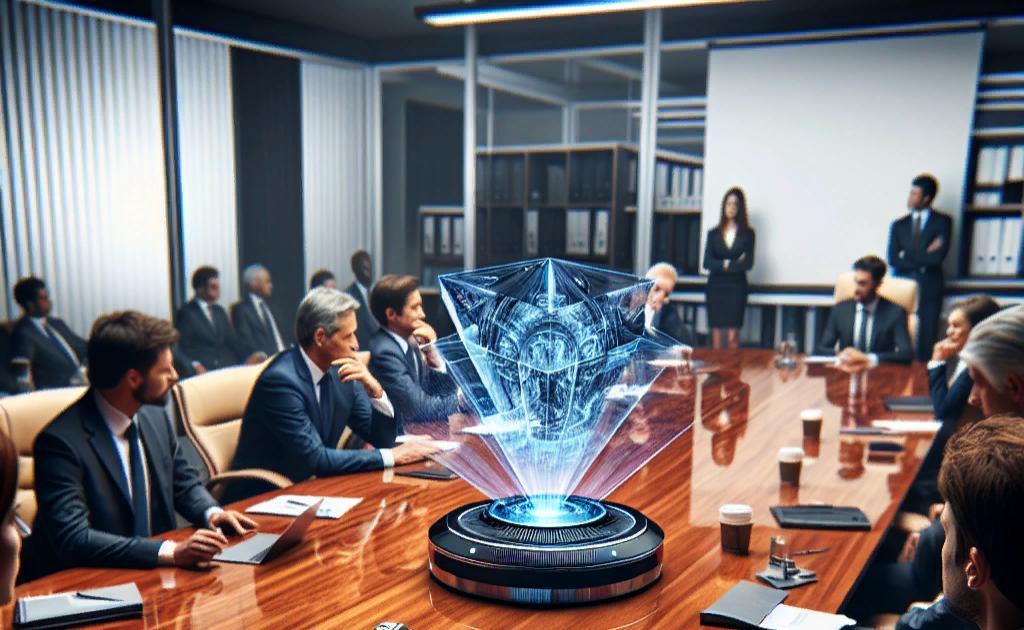
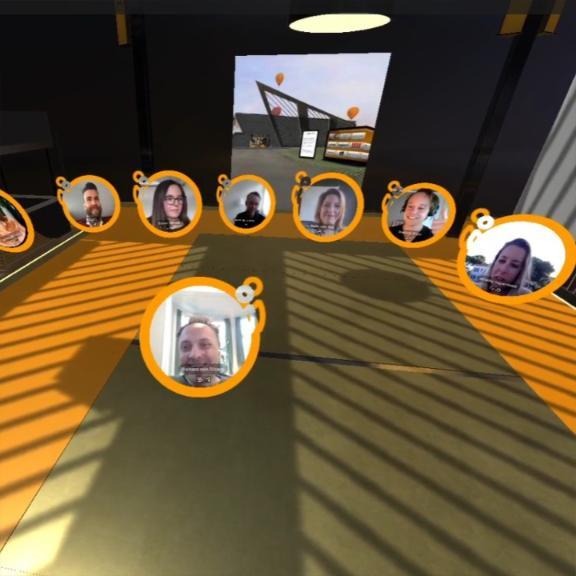
Facilitating collaboration through shared immersive experiences, allowing multiple individuals to interact with and contribute to the visual management.
The use of virtual reality (VR) technology in immersive rooms has expanded significantly in recent years, providing more realistic and engaging experiences.
Some immersive room setups can also incorporate augmented reality (AR) elements, overlaying digital information on real-world visuals.
Immersive rooms can be designed to cater to different group sizes and purposes, ranging from small collaborative teams to large-scale presentations or training sessions.