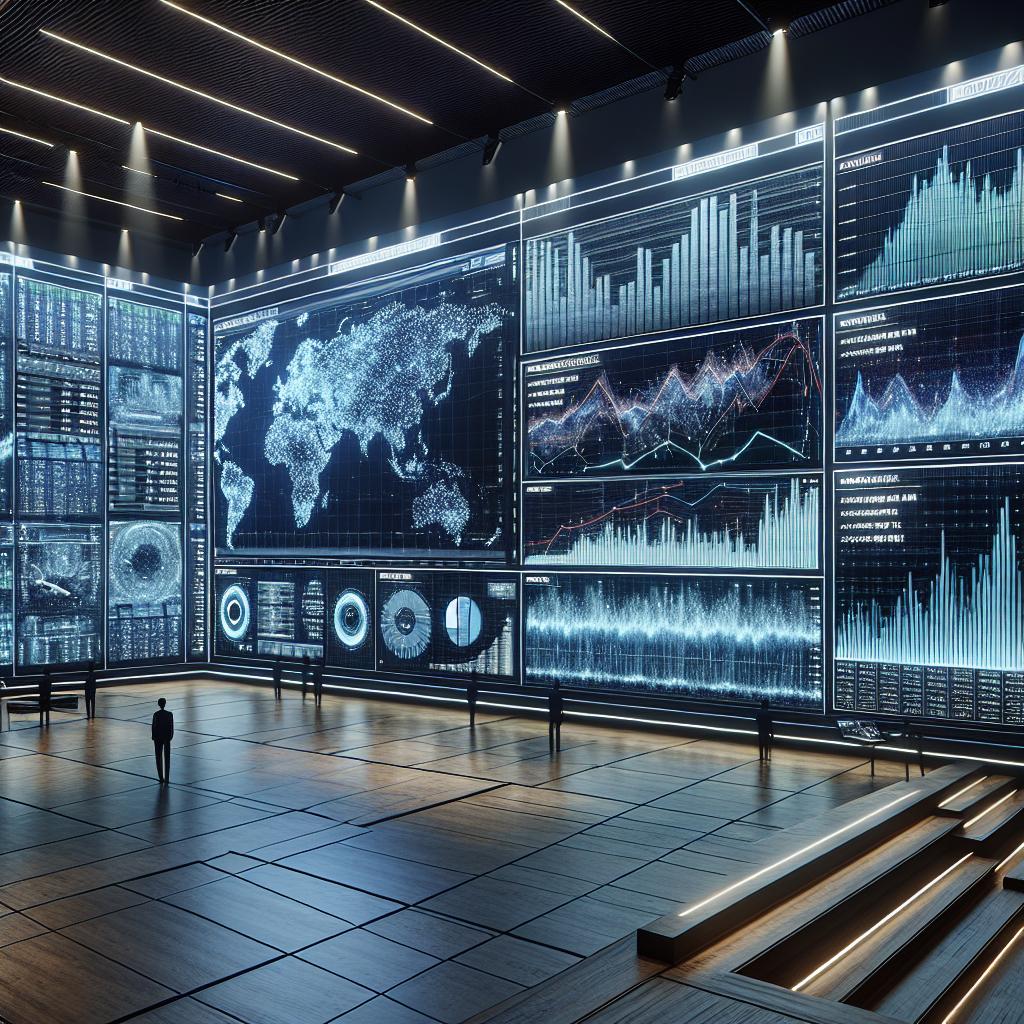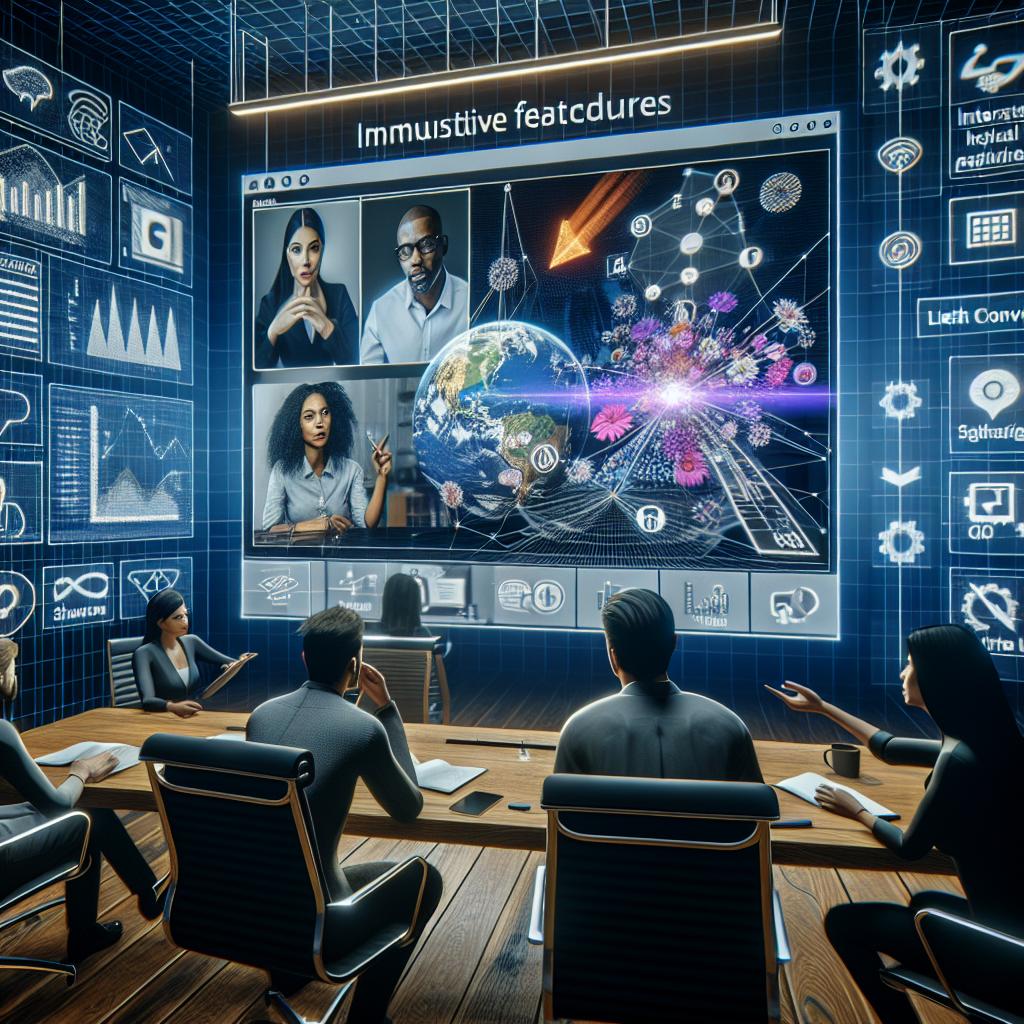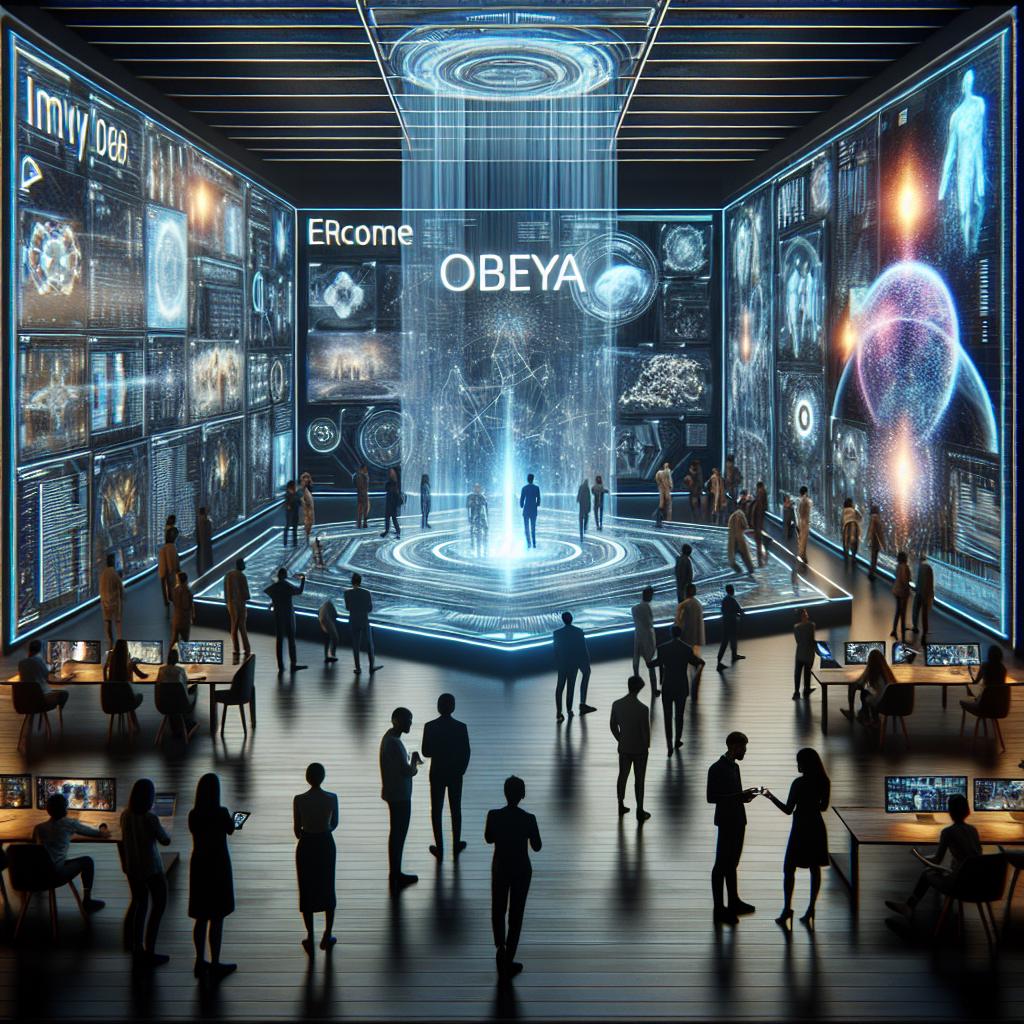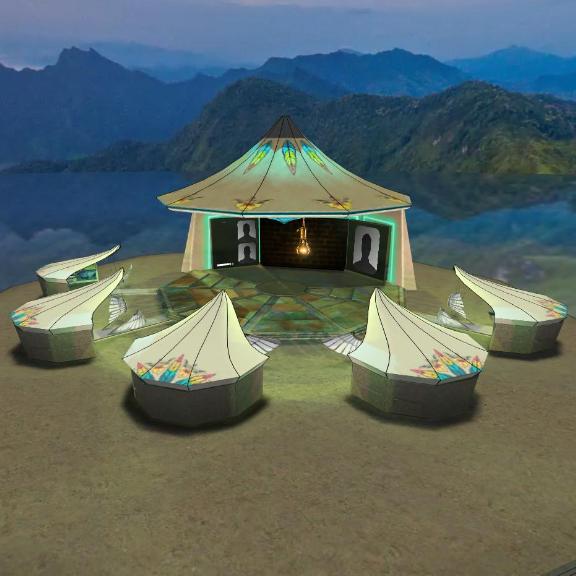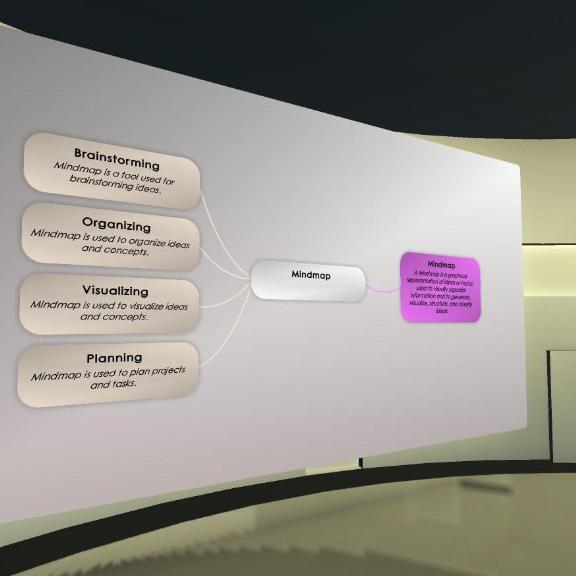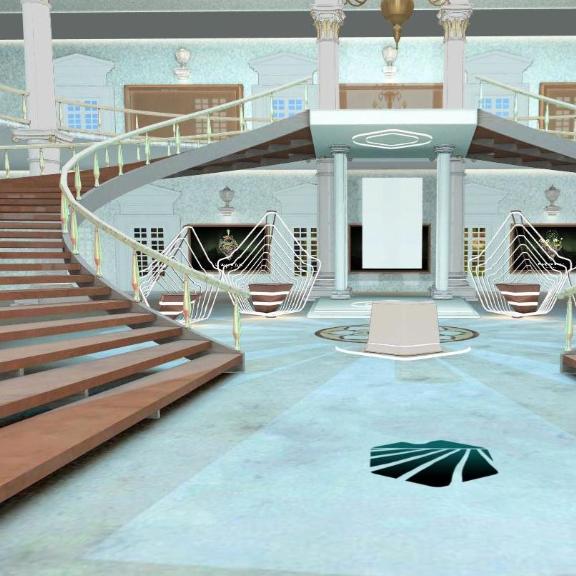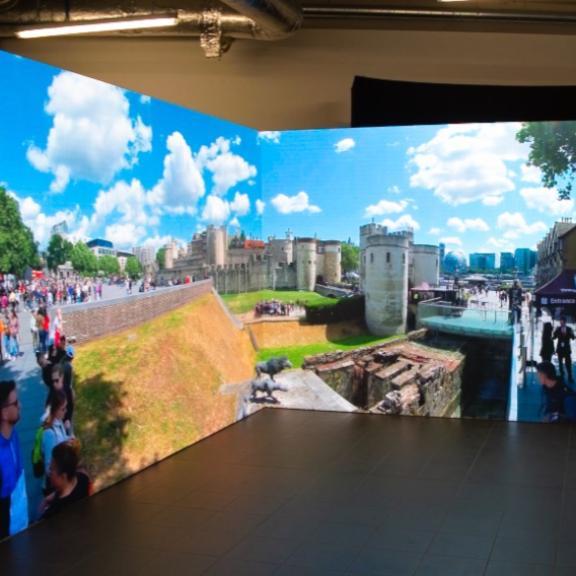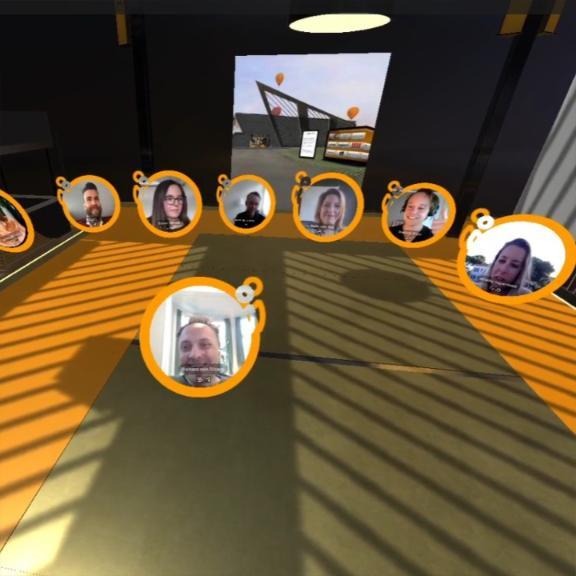
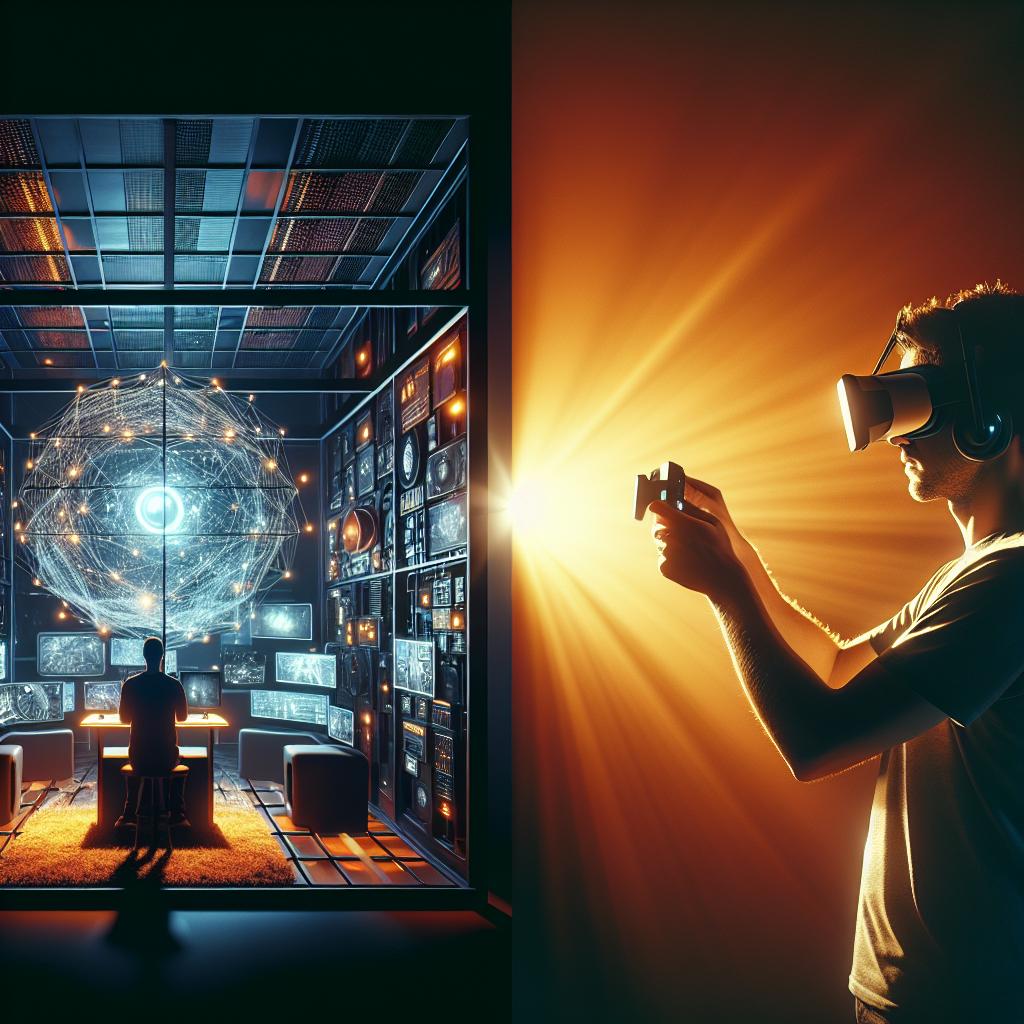
Immersive room technology utilizes advanced audiovisual systems and virtual reality (VR) capabilities.
It provides a realistic and immersive environment through 3D visuals and surround sound.
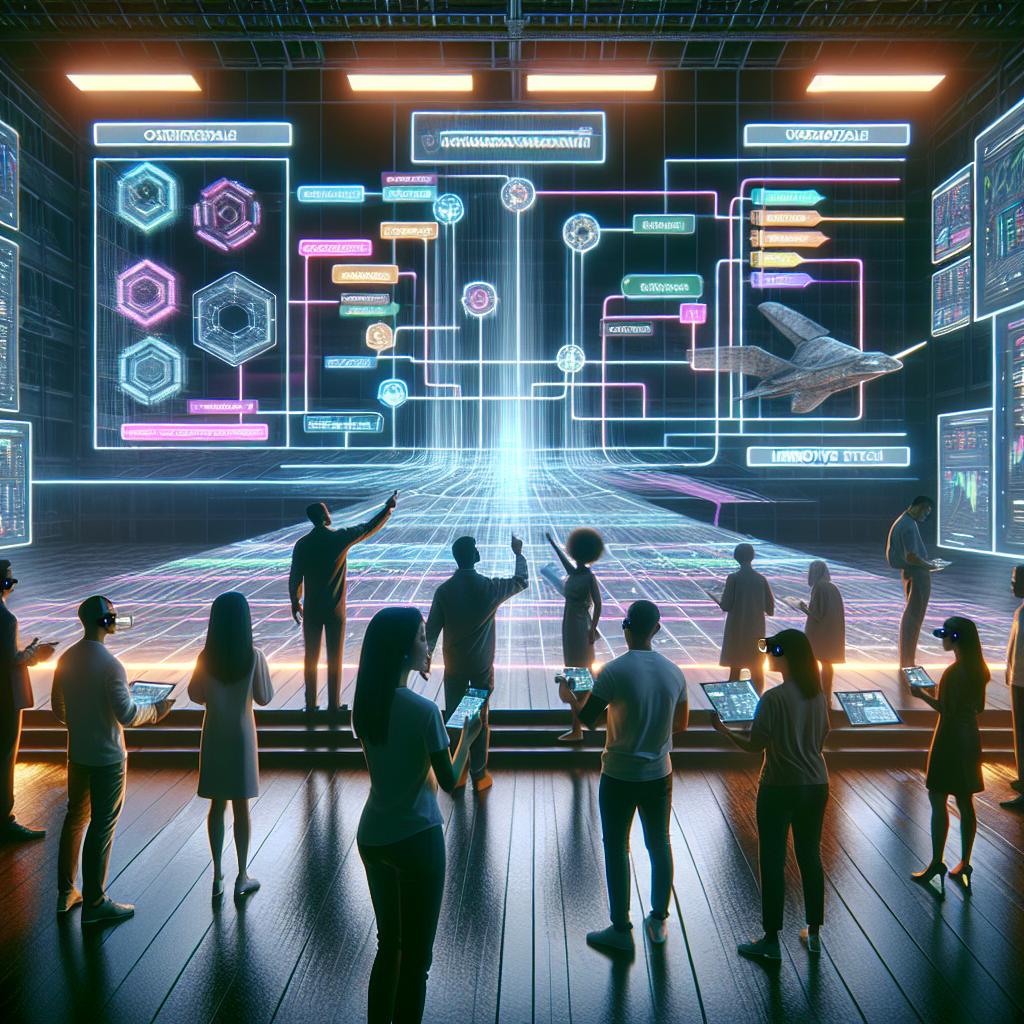
Immersive room technology can be used for a variety of purposes, from presentations and brainstorming sessions to training and remote collaboration.
Enhanced engagement: Immersive technology captivates participants, making meetings more interactive and engaging.
Improved collaboration: The immersive environment encourages collaboration and enables better idea sharing.
Increased productivity: With a more engaging setting, participants are more focused and attentive, leading to increased productivity and better decision-making.
Cost-effective solutions: Immersive room technology eliminates the need for travel expenses, allowing remote participants to join meetings from anywhere in the world.
Audiovisual systems: High-quality audiovisual systems deliver impressive visuals and surround sound, creating a realistic environment.
Virtual reality (VR): VR technology is incorporated to provide 3D visuals and enable participants to interact with virtual elements.
Interactive features: Immersive room technology offers interactive displays, touchscreens, and gesture control, allowing participants to actively engage in the meeting.
Seamless integration: This technology integrates with existing meeting room setups, making it easy to implement without significant modifications.
Immersive room technology originated from the advancements in virtual reality and audiovisual technologies.
It has gained traction in various industries, including corporate enterprises, education, healthcare, and entertainment.
Companies that have implemented immersive room technology have reported increased employee satisfaction and improved collaboration among teams.
Immersive room meetings can also enhance training and simulation experiences, providing a more effective learning environment.